
 English
 русский
Industry News
HOME / NEWS / Industry News / How to Remove a Lance from a Homdox Pressure Washer: Step-by-Step Guide

Practical conclusion first: on nearly every Homdox residential machine, the lance attaches to the trigger gun through a hand-tightened threaded collar system. The collar rotates on the base of the lance, and its internal thread engages the male outlet on the gun. To remove it, you hold the gun body still and turn the collar counterclockwise. You do not twist the barrel, and you should never need a tool.
Some Homdox models, especially compact and newer units, use a push-button quick release. A spring-loaded ring near the base of the lance releases the retaining detents, and the lance then pulls straight out. A third, less common system is the bayonet twist lock, which needs a small inward push and a quarter-turn. The fastest way to identify what you have is to look at the collar: threaded collars have ribbed grips and rotate freely, push-button releases show a visible spring ring, and bayonet fittings carry a small molded lock arrow.
Remove the lance only after the system is fully depressurized. This is not a precaution for the sake of procedure — it is what prevents the wand from whipping, and it is also what prevents a stuck fitting: residual pressure holding the O-ring in place makes the thread far harder to turn. Follow the same order every time: switch off the machine, close the water supply, then pull the trigger until the spray stops. If your gun has a trigger lock, engage it afterward.
A lance under residual pressure is not a stubborn fitting. It is a projectile waiting for the last thread to let go.
If the collar rotates freely but the lance still will not come off, the threads are still engaged, or the O-ring is holding a vacuum seal. Work through these steps without increasing force.
Two mistakes cause most of the damage here. Rocking the barrel up and down while turning the collar can bend the tube or enlarge the sealing face. And pliers on a plastic collar will crush it even when the threads are perfectly healthy. On metal collars, a strap wrench is acceptable, but only after depressurization.
If you would rather have a tool-free connection that also shortens removal, a brass nickel-plated M22 quick disconnect converts that threaded joint into a push-on locking connection while keeping compatibility with the same lance thread.
 Brass Nickel-Plated M22 Quick Disconnect ConnectorThis push-on locking connector replaces a threaded joint with a tool-free connection, saving time during frequent lance changes. Its double-lock design and O-ring seal suit high-pressure cleaning systems.View Product →
Quick-release systems fail only when you treat them like threaded ones. For a push-button type, twisting the lance while pulling bends the release ring and jams the detents. The correct sequence is:
If the lance will not release, the collar is usually jammed by a grain of sand or dried detergent. A drop of silicone spray around the ring, a few seconds of working the release, and a second attempt will solve most cases. Do not use grease on quick-release fittings — it attracts grit.
In the large majority of stuck cases, the problem is mineral deposit buildup or a collar that was cross-threaded during the last reattachment. True metal seizure is rare at these pressures. So the fix is to remove the deposit or release the cross-thread, not to apply more torque.
One recurring reason lances seize on the same machine is hose twist. Every time the hose rotates, it torques the whole gun, which preloads the lance thread and wears the collar unevenly. Installed between the hose and the trigger gun, a spray gun swivel joint absorbs that torque so the connection stays aligned and easy to release.
 Spray Gun Swivel Joint for 360° Hose RotationInstalled between hose and gun, this joint absorbs hose twist that otherwise torques the lance thread and causes seizing. It keeps the connection aligned and easy to release over long-term use.View Product →
The moment the lance is off, prepare both sides of the connection before you put it back. This step takes two minutes and is what keeps the joint smooth over years of use.
Most owners only ever deal with one machine, so the fastest way to remove the lance is to identify the connection instead of experimenting.
| Connection type | How to recognize it | Removal action | Most common failure |
|---|---|---|---|
| M22 threaded collar | Ribbed rotating collar with an internal thread at the base of the lance | Hold the gun, turn the collar counterclockwise, pull straight out | Cross-threading after forced reattachment |
| Push-button quick release | Spring-loaded release ring near the base of the lance | Press and hold the ring toward the gun, pull straight out | Jammed detents from twisting while pulling |
| Bayonet twist lock | Slots or pins with a molded lock arrow on the collar | Push in, turn a quarter-turn opposite the arrow, pull out | Worn pins from pulling without turning |
The table covers the three types found on Homdox machines in practice. If your collar looks different, aftermarket parts are usually the reason — and the removal principle stays the same: release the locking element, do not fight it.
There is a point where removing the lance becomes a ritual because the lance itself is worn. Replacement, not persistence, is the correct decision. Look for these signs:
When replacing, match the gun outlet, not the sticker on the machine. Homdox residential units use the M22-14 thread standard in most cases; M22-15 and the older G1/2" BSP standard appear on other equipment. A lance built to the correct standard will fit properly, seal cleanly, and remove just as easily as the original. As a component manufacturer that has produced lances and their connections for OEM equipment for more than fourteen years, we keep the tolerances that make these joints work — which is why replacement parts from a specialized supplier behave identically to the originals.
It is normal maintenance to replace a lance after a few seasons, especially if you use the machine in sandy or hard-water areas. A stainless steel straight tube lance is the more durable choice in those conditions, and it mates with the same gun outlet standards.
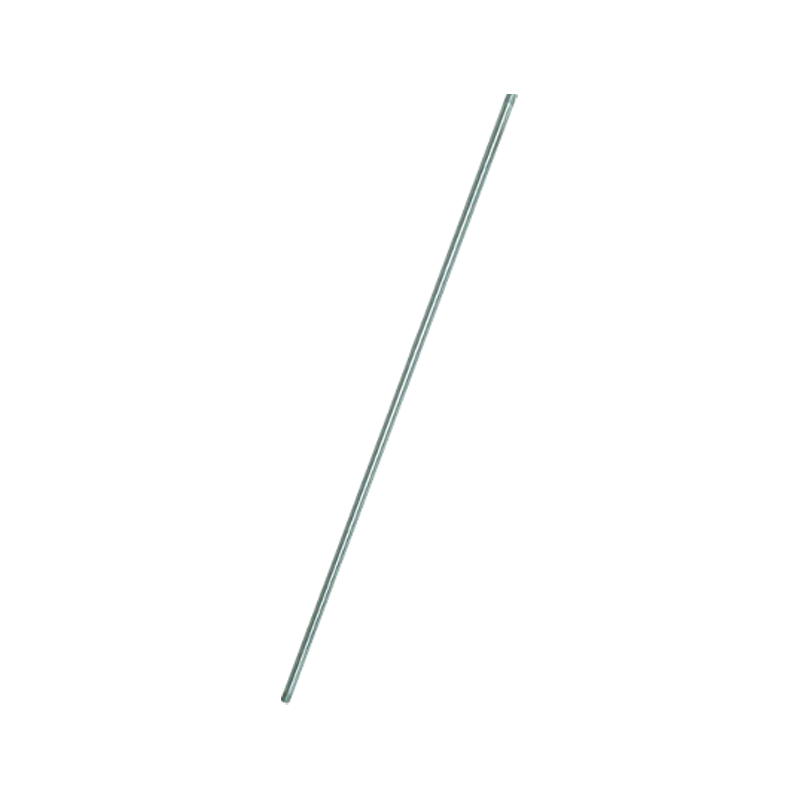 Stainless Steel Spray Gun Straight Tube LanceA durable straight tube lance for sandy or hard-water conditions, corrosion-resistant for chemical handling. It mates with standard gun outlets and suits replacement maintenance after heavy seasons.View Product →
Remove the lance the way its connection was designed to be released: depressurize first, identify the type, remove without force, clean and lubricate the interface, reattach gently, and test at low pressure. If the connection itself has worn past tolerance, replace the lance. At that point the repair is ordinary maintenance — and a two-minute job that stays a two-minute job.
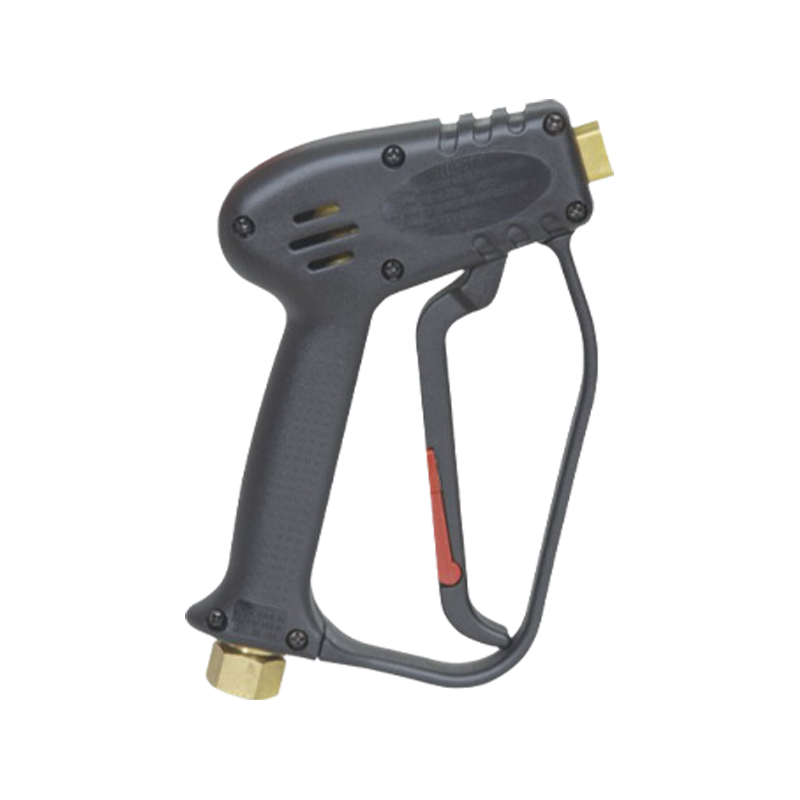
Soft grip industrial high pressure spray guns are specifically designed for high-pressure cleaning applications, utilizing water as the sole medium. These spray guns are engineered with a high-pressur...
See Details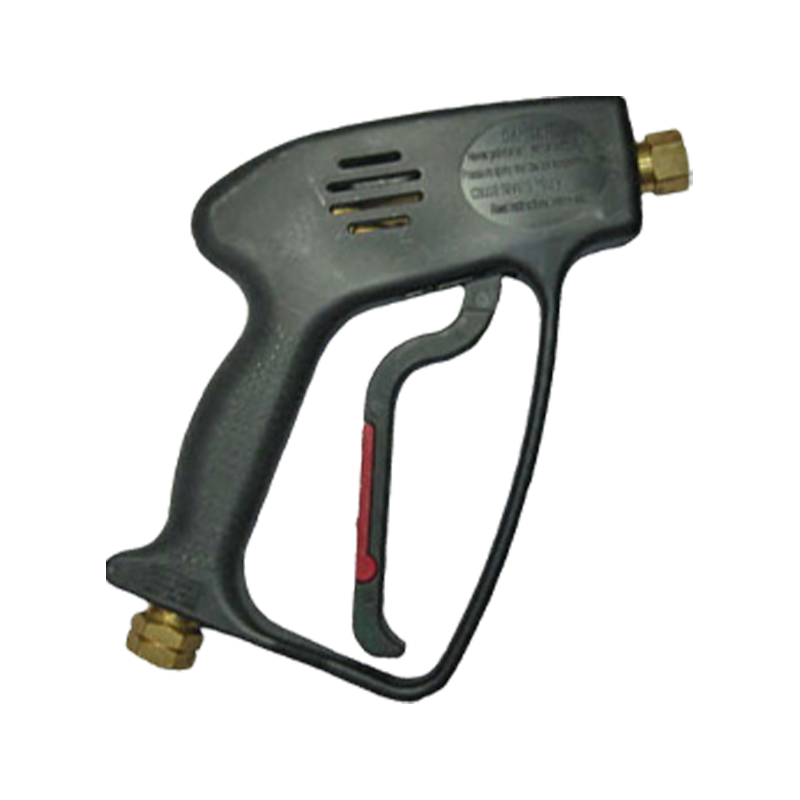
The Weep Trigger Spray Gun is an innovative water gun designed specifically to prevent high-pressure water pipes from freezing in winter. Its core feature is the small hole design at the spray gun val...
See Details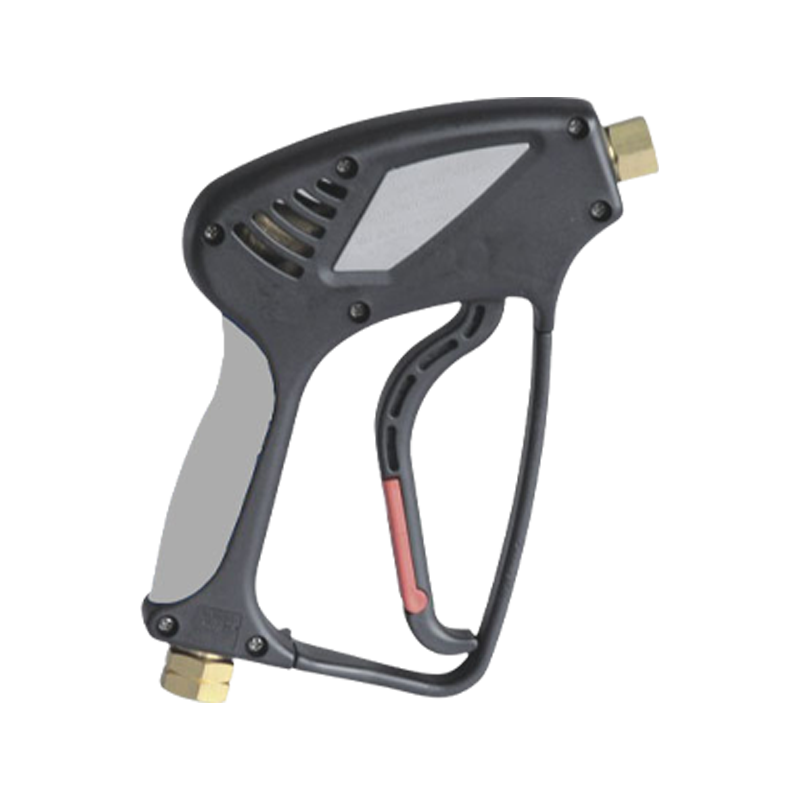
The high pressure power spray gun is an innovative cleaning equipment that integrates efficient cleaning and convenient operation. It uses high-pressure water flow to remove stubborn stains and is sui...
See Details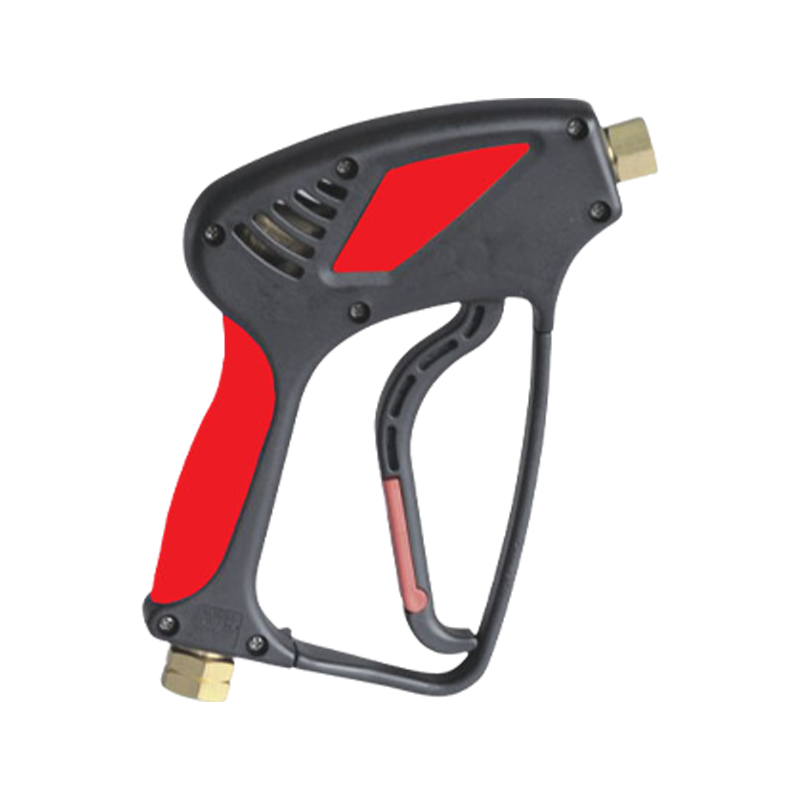
The high pressure cleaning spray gun is a standard configuration of a high pressure cleaning machine. The high-pressure water flow from the high-pressure cleaning machine passes through a high-pressur...
See Details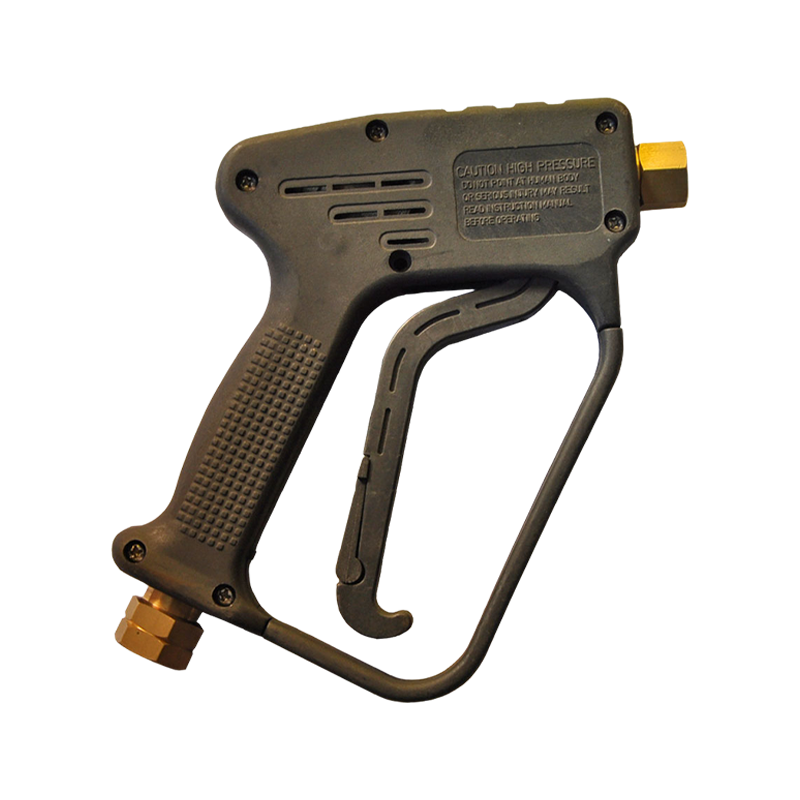
The carpet cleaning high pressure cleaning gun is a tool designed specifically for deep cleaning, using high-pressure water flow to efficiently remove dirt, dust, and stubborn stains from carpet fiber...
See Details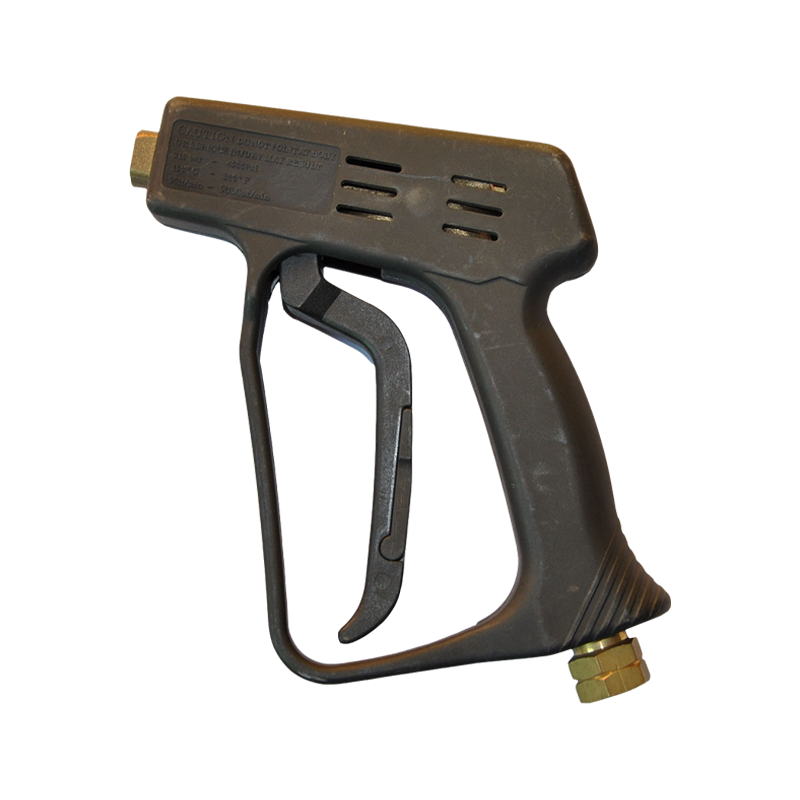
The 4500psi high pressure washing spray gun is a specialized tool designed for high-pressure liquid delivery and cleaning tasks, widely utilized in industrial cleaning, automotive maintenance, agricul...
See Details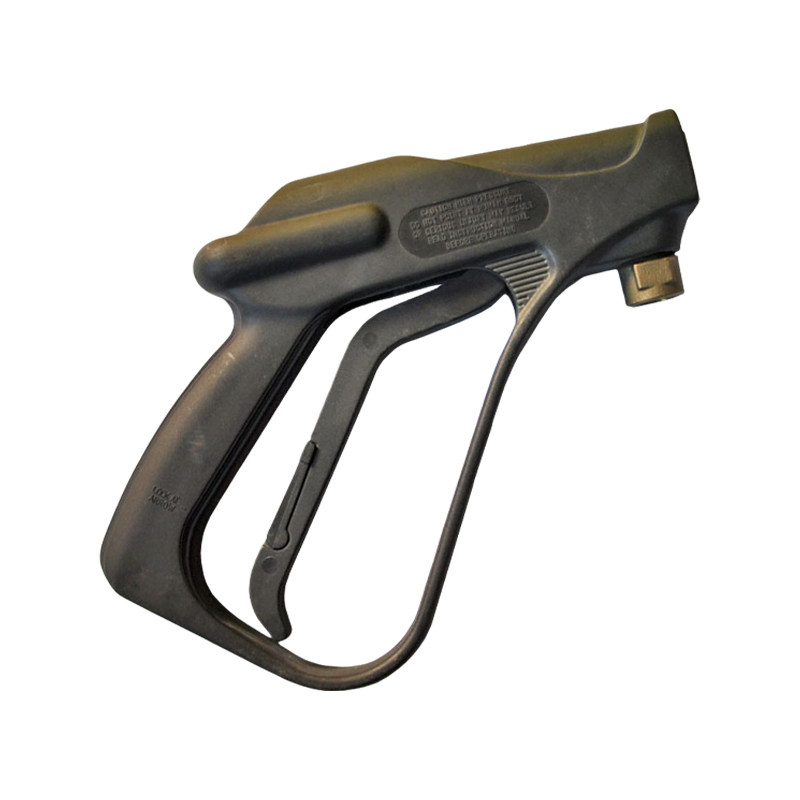
The brass outlet trigger spray gun is made of high-quality brass material and equipped with precise trigger design. Users can adjust the water flow rate and spray angle according to their needs to ach...
See Details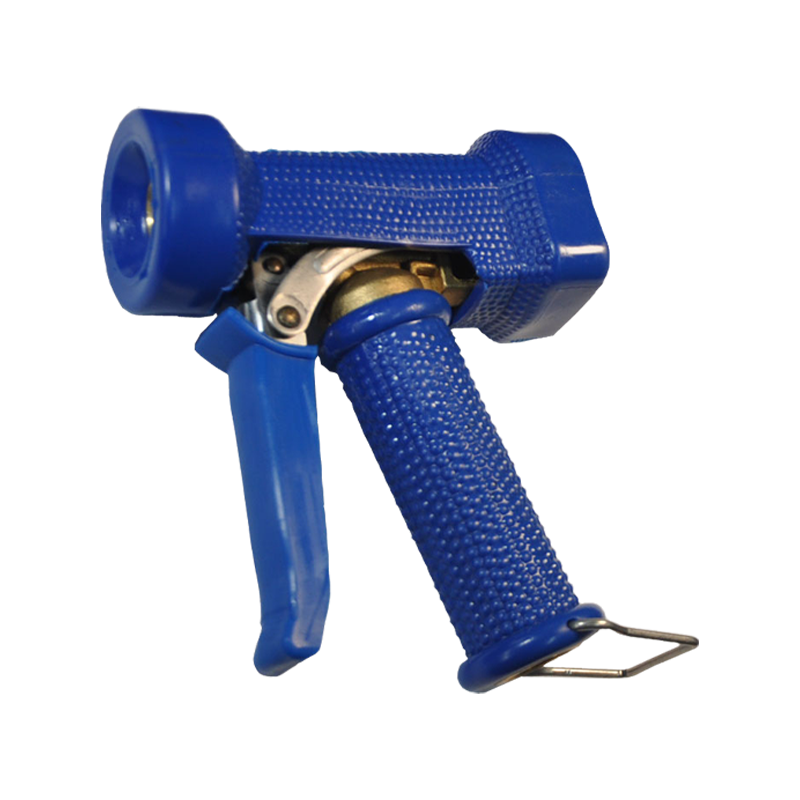
The heavy-duty brass flushing gun is specifically designed for low-pressure applications such as garden irrigation, dust suppression, and equipment cleaning. The ergonomic handle features an anti-slip...
See Details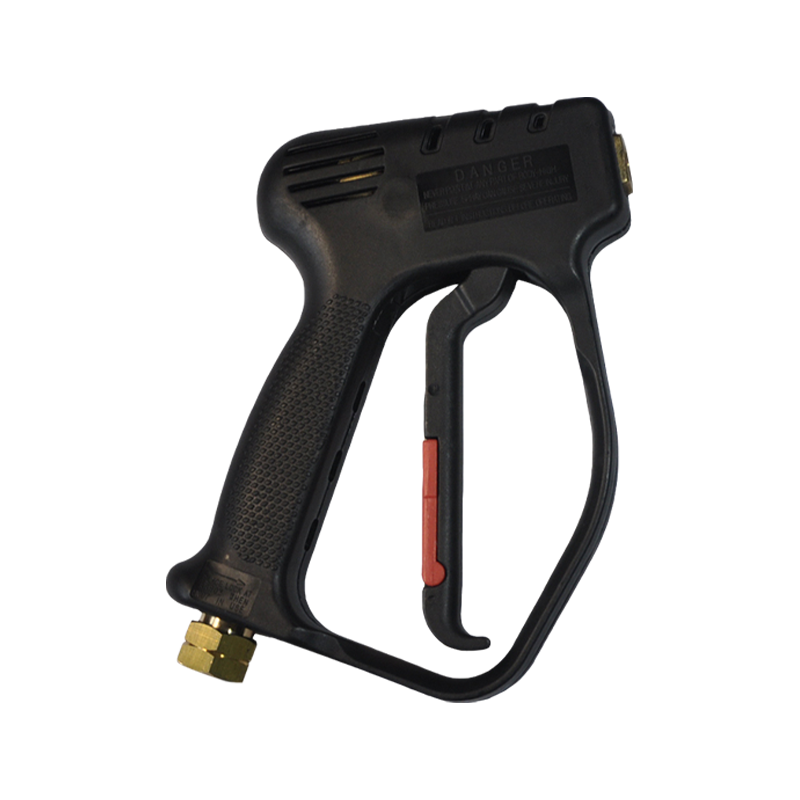
Industrial cleaning trigger spray gun is an efficient and durable cleaning equipment. Its internal sealing components are made of high-strength materials, effectively preventing leakage. Its design ca...
See Details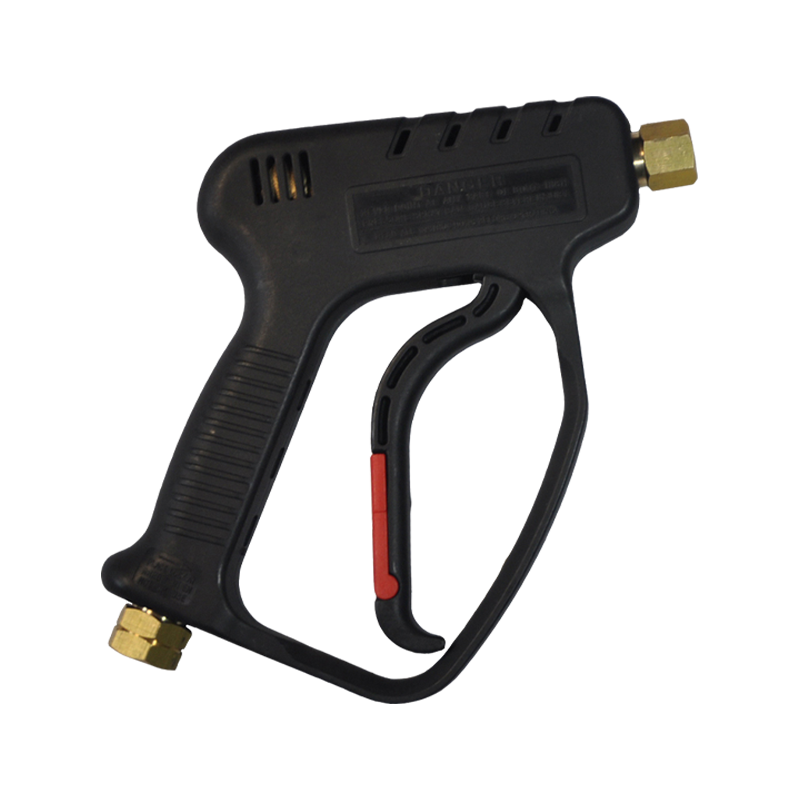
The portable handheld trigger spray gun is made of high-strength engineering plastics and/or metal materials, and the handheld part is coated with anti slip rubber to enhance the safety and comfort of...
See Details
The basic structure and working principle of the foam sprayer Foam sprayer is a device that mixes liquid diluent and air and sprays in the form of foam. It is widely used in car washing, industrial cl...
See Details
What is a high Pressure Washer Water Broom? A high Pressure Washer Water Broom is an accessory tool designed to improve floor cleaning efficiency and is usually used in conjunction with a high-pressur...
See Details
Introduction: Demands and Challenges of Modern Car Washing In modern society, cars have become an indispensable means of transportation in daily life, and almost every family has one or more cars. Wit...
See Details
1. Understand the basic structure and working principle of high-pressure cleaning spray guns The basic structure of a high-pressure cleaning gun A high-pressure cleaning gun consists of multiple parts...
See Details
 +0086-13003738672
