
 English
 русский
Industry News
HOME / NEWS / Industry News / How to Repair a Pressure Washer Lance: Fix Leaks, Low Pressure, and More

Pressure Washer Maintenance
Most lance problems are not structural failures. A leaking joint, a weak stream, or an erratic pattern usually comes down to a worn seal, a blocked nozzle, or a corroded thread — all repairable in under an hour with basic hand tools.
You are halfway through washing the driveway when water starts escaping from the connection between the lance and the spray gun. The stream weakens, the pattern turns uneven, and you face a choice: keep pushing, or stop and find the cause. The right answer is to stop, because almost every lance failure is explainable and repairable.
The lance is the simplest component between the trigger and the surface being cleaned — and the part most people discard before understanding what actually went wrong.
Treat the repair as a diagnostic exercise. Once you know which of the four typical failure modes you are facing — a leaking seal, a blocked or worn nozzle, thread damage, or a damaged barrel — the fix becomes predictable.
Before touching a wrench, look at the symptom. A lance fails at a specific point, and that point tells you where to investigate. The table below summarizes the patterns you will meet in the field.
| Symptom | Most likely cause | Repair route |
|---|---|---|
| Water escaping at the gun-lance joint | Worn O-ring or loose connection | Replace the seal, re-seat, and retighten |
| Water escaping at the nozzle end | Worn washer or nozzle seat | Replace the washer or the nozzle tip |
| Weak or scattered spray | Clogged nozzle or debris in the barrel | Clean the nozzle and flush the lance |
| Barrel visibly bent or dented | Impact or storage damage | Replace the barrel — do not straighten it |
One rule applies before you begin any repair: a pressure-washer system stores energy even after shutdown. Complete the depressurization sequence described in the safety section before loosening anything.
When water appears at the joint between the lance and the gun, or between the lance and the nozzle, the cause is almost always the elastomeric seal inside the connection — an O-ring or a flat washer — not the steel itself. These seals wear and harden over time, and replacing them is the cheapest repair in pressure-washer maintenance.
Thread tape is a useful backstop for slight clearance, but it is not a substitute for a healthy seal. If the joint still weeps after a new O-ring and a clean reassembly, inspect the brass or steel seat for scoring — a scratched seat will damage every new seal, and the fitting, not the whole lance, is then the part to replace.
A lance that produces a wide, fragmented pattern, or a stream that fades within seconds, is usually telling you that the nozzle is partially blocked. Scale from hard water, grit from the surface, or rust from the supply hose lodges in the orifice and breaks up the jet.
If the pattern stays uneven after cleaning, the orifice is worn. Eroded brass nozzles waste pressure even when the pump is healthy, so replace the tip instead of living with a poor spray. A 25-degree tip suits general washing, a 40-degree tip is gentler for painted surfaces, and a turbo pattern adds impact for stubborn grime; choose the angle that matches the task.
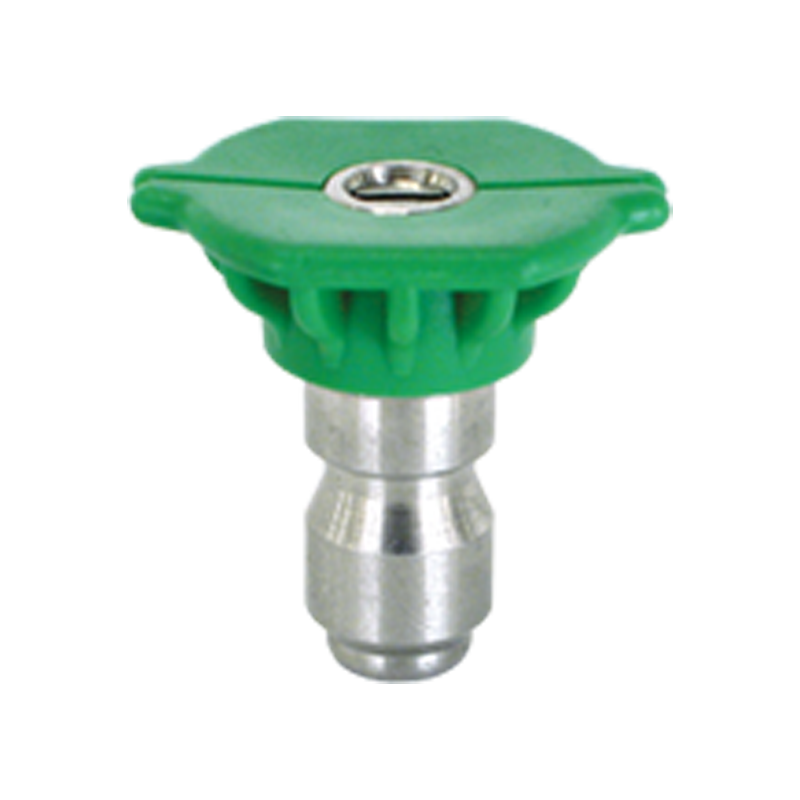 25-Degree Quick Connect Spray Nozzle for Pressure WashersA 25-degree quick-connect nozzle provides a general-purpose spray pattern suited for routine washing. Consider this tip when replacing a worn orifice to restore even pressure and consistent cleaning performance.View Product →
Threads are the most vulnerable part of a lance. A cross-threaded connection, a hard impact, or corrosion deforms the first few turns, and each subsequent connection becomes looser. A thread failure under sustained pressure does not dribble — it separates suddenly.
Light damage limited to the first thread can sometimes be dressed with a thread file. Deep or multiple damaged threads on a thin-walled tube are not worth the risk.
Two situations are beyond repair: a bent barrel and a corroded one. A bent barrel stresses the swivel joint and the nozzle seat, invites leaks, and cannot be straightened reliably by hand. Corrosion pitting means the wall thickness is no longer what the designer intended, and no surface treatment restores it.
Replacement is also right when the cost of parts and labor approaches half the price of a new lance. A sealed new barrel delivers predictable performance, and a manufacturer that builds these parts at scale is more likely to hold consistent wall thickness and clean threads than a random spare part — exactly what matters in a component that works at high pressure.
| Property | Chrome-plated steel | Stainless steel |
|---|---|---|
| Corrosion resistance | Moderate; plating can chip at the ends | High; handles hard water and aggressive detergents |
| Pressure handling | Domestic and mid-duty cleaning | Industrial duty cycles |
| Surface durability | Good until the plating is damaged | Excellent over many seasons |
| Typical cost | Lower | Higher |
For domestic repairs, a well-made chrome-plated or galvanized steel barrel is the economical choice. For operators using aggressive chemicals, working near salt air, or running a machine daily, stainless steel earns its higher price by lasting longer.
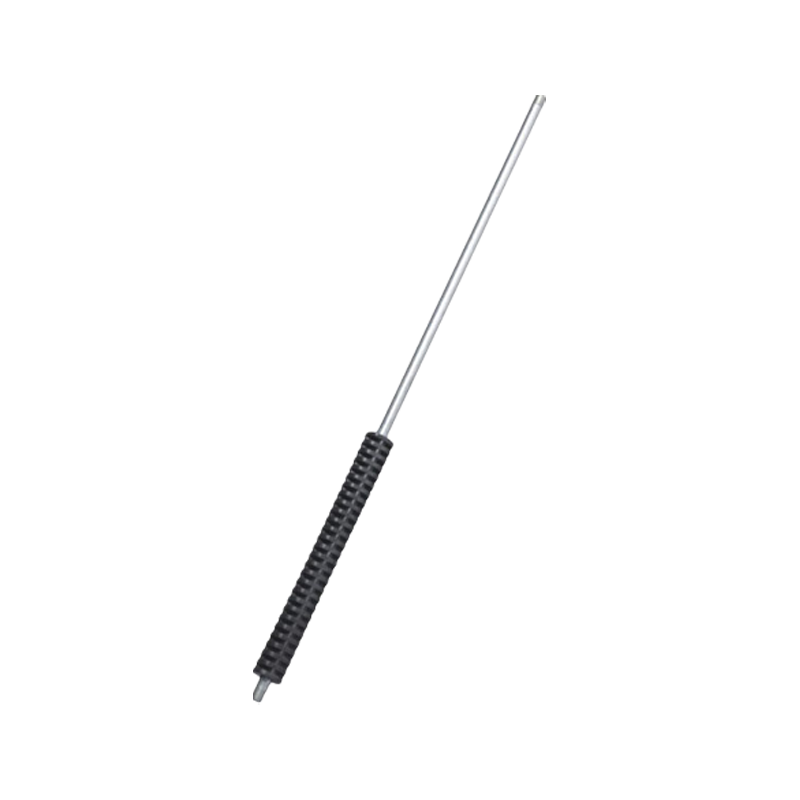 Galvanized Straight-Head Spray Gun BarrelThis galvanized steel barrel offers corrosion resistance and durability at a practical cost. It suits domestic repairs where chrome-plated or galvanized parts are preferred, delivering reliable performance without the expense of stainless steel.View Product →
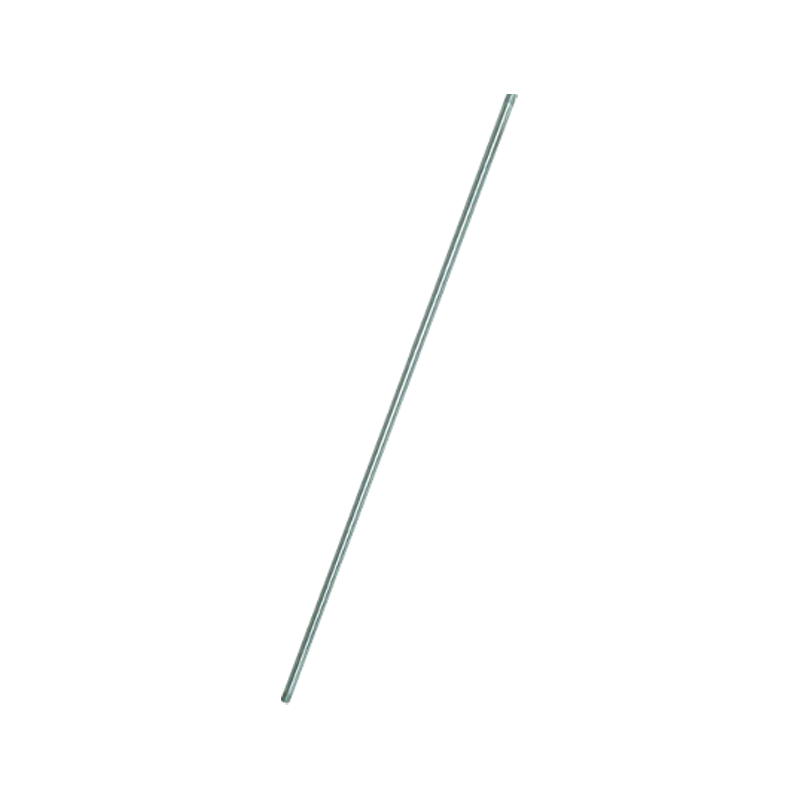 Stainless Steel Spray Gun Straight TubeA precision-polished stainless steel straight tube that withstands abrasive and chemical exposure. It is a worthwhile upgrade for operators using aggressive chemicals or running machines daily, providing long-term structural integrity and corrosion resistance.View Product →
Every repair in this guide assumes the machine is safe to handle. The ritual below takes ten seconds and prevents the most avoidable injuries in pressure-washer maintenance.
Daily use makes some kind of failure inevitable, which is why this spray gun safety guide is worth reading before you press the machine back into service.
Follow the same sequence every time: depressurize, identify the symptom, restore the seal or the nozzle, respect the threads, and replace the barrel only when the structure is compromised.
Most of these repairs cost a few dollars in parts and under an hour of time. The exceptions — bent barrels, deep corrosion, significant thread damage — are exactly where an affordable replacement is the professional's choice. Repair the serviceable, replace the doubtful, and confirm every fix at low pressure before returning the machine to full output.
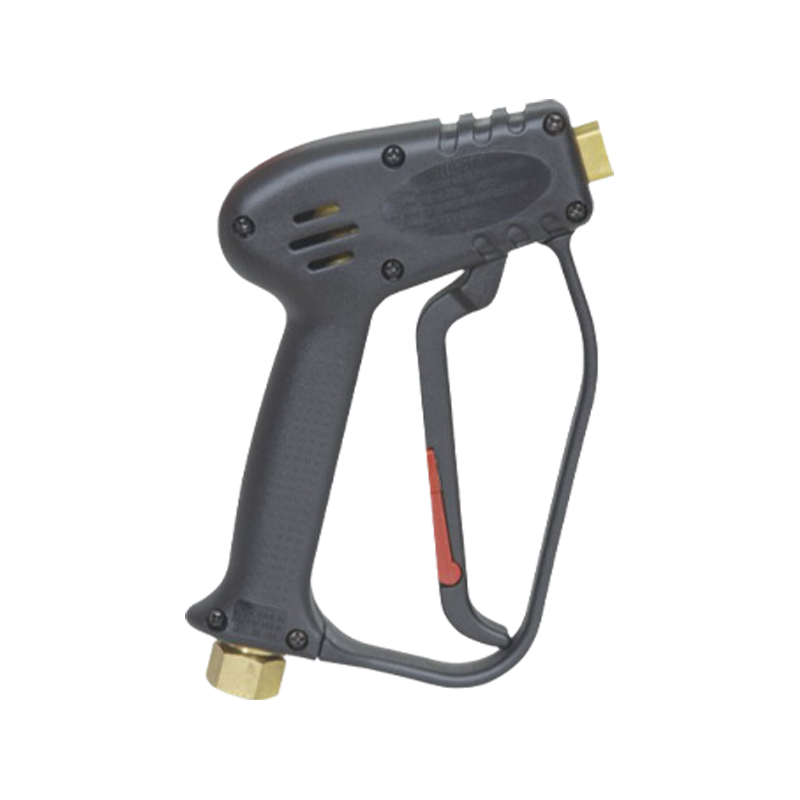
Soft grip industrial high pressure spray guns are specifically designed for high-pressure cleaning applications, utilizing water as the sole medium. These spray guns are engineered with a high-pressur...
See Details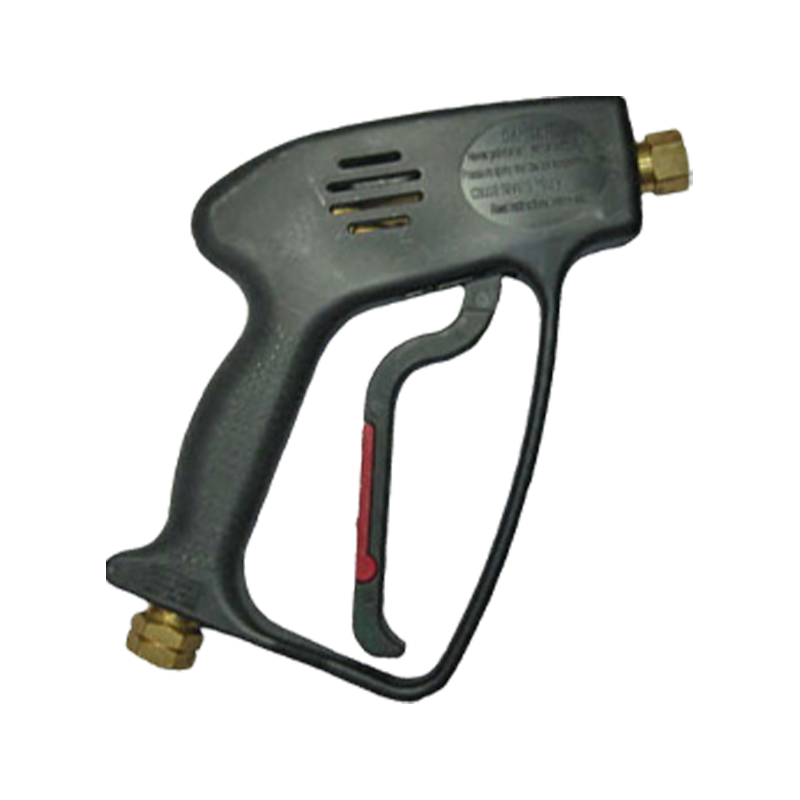
The Weep Trigger Spray Gun is an innovative water gun designed specifically to prevent high-pressure water pipes from freezing in winter. Its core feature is the small hole design at the spray gun val...
See Details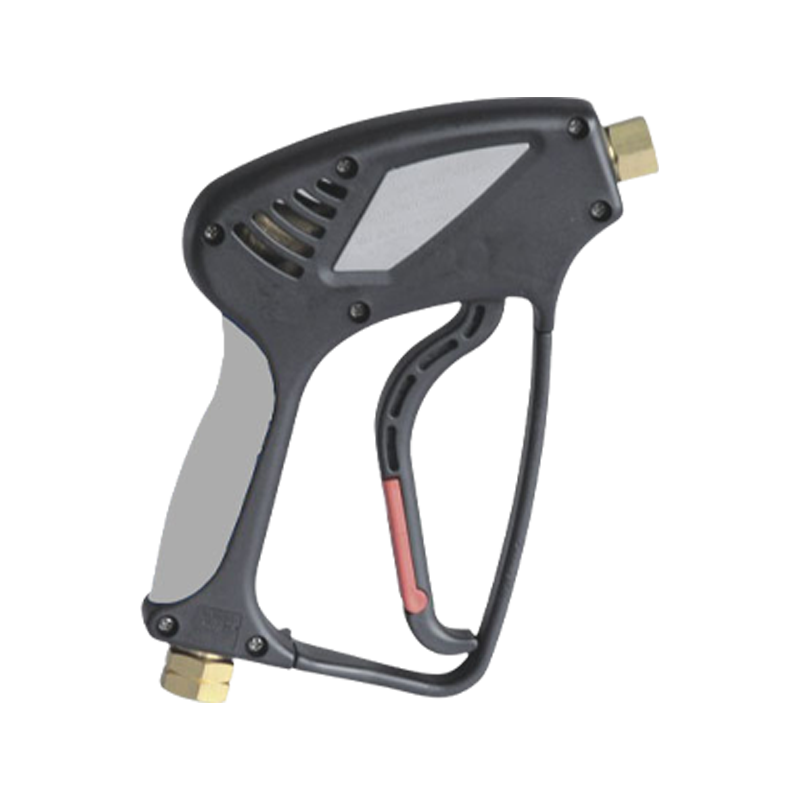
The high pressure power spray gun is an innovative cleaning equipment that integrates efficient cleaning and convenient operation. It uses high-pressure water flow to remove stubborn stains and is sui...
See Details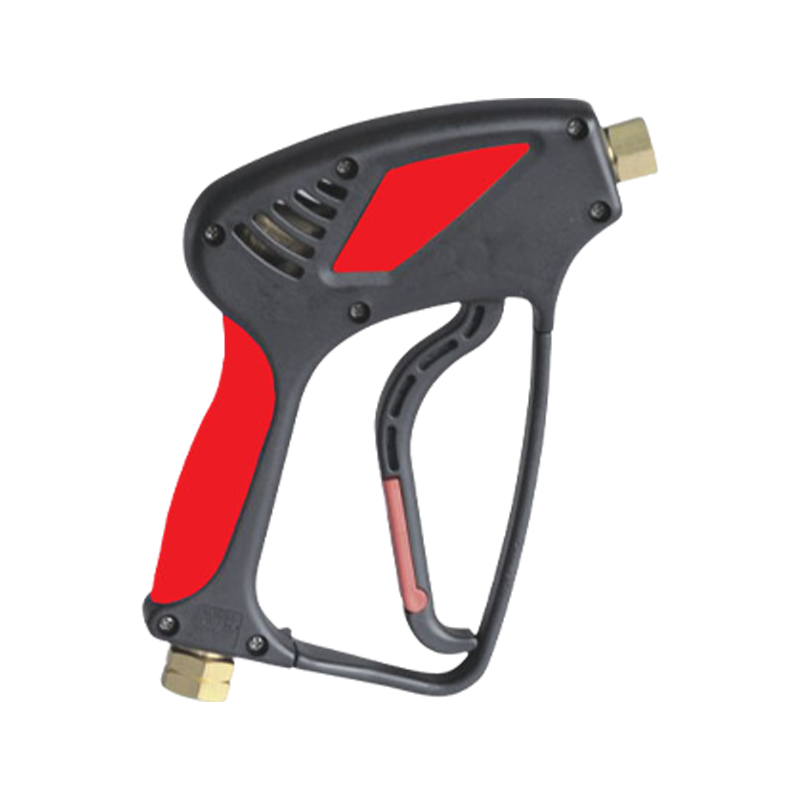
The high pressure cleaning spray gun is a standard configuration of a high pressure cleaning machine. The high-pressure water flow from the high-pressure cleaning machine passes through a high-pressur...
See Details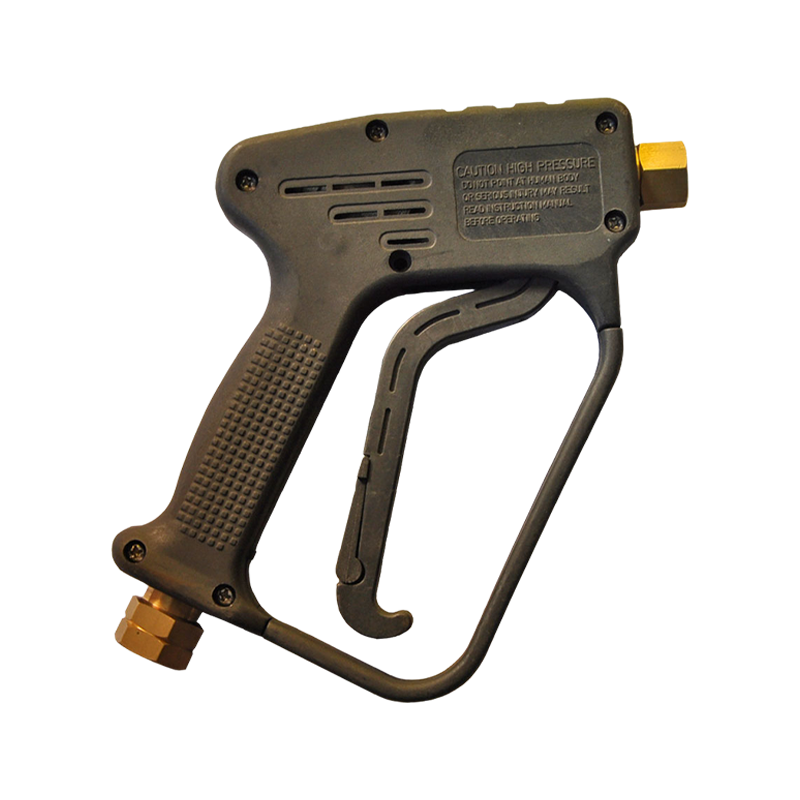
The carpet cleaning high pressure cleaning gun is a tool designed specifically for deep cleaning, using high-pressure water flow to efficiently remove dirt, dust, and stubborn stains from carpet fiber...
See Details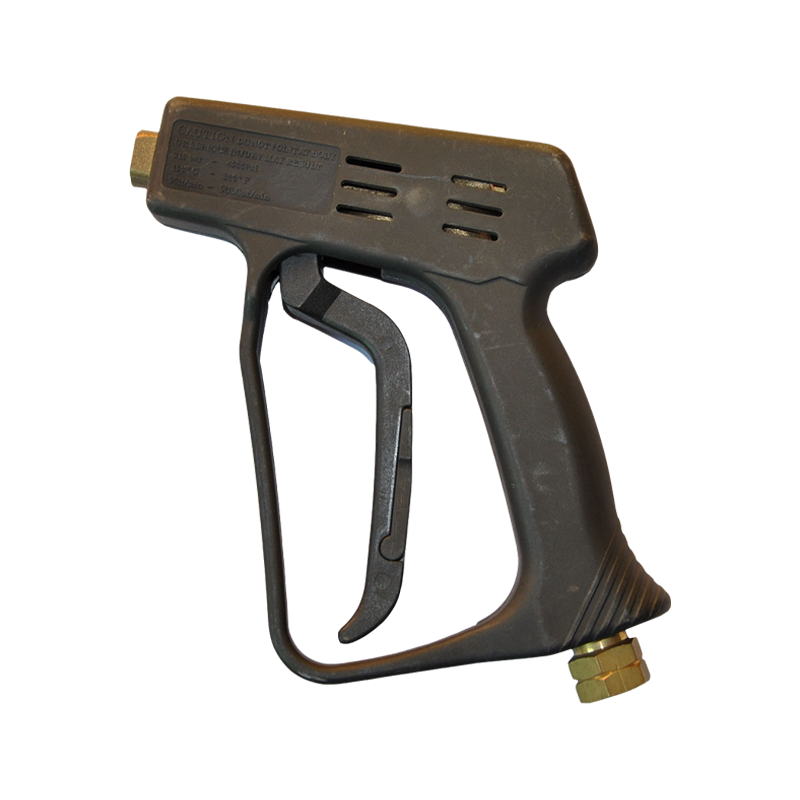
The 4500psi high pressure washing spray gun is a specialized tool designed for high-pressure liquid delivery and cleaning tasks, widely utilized in industrial cleaning, automotive maintenance, agricul...
See Details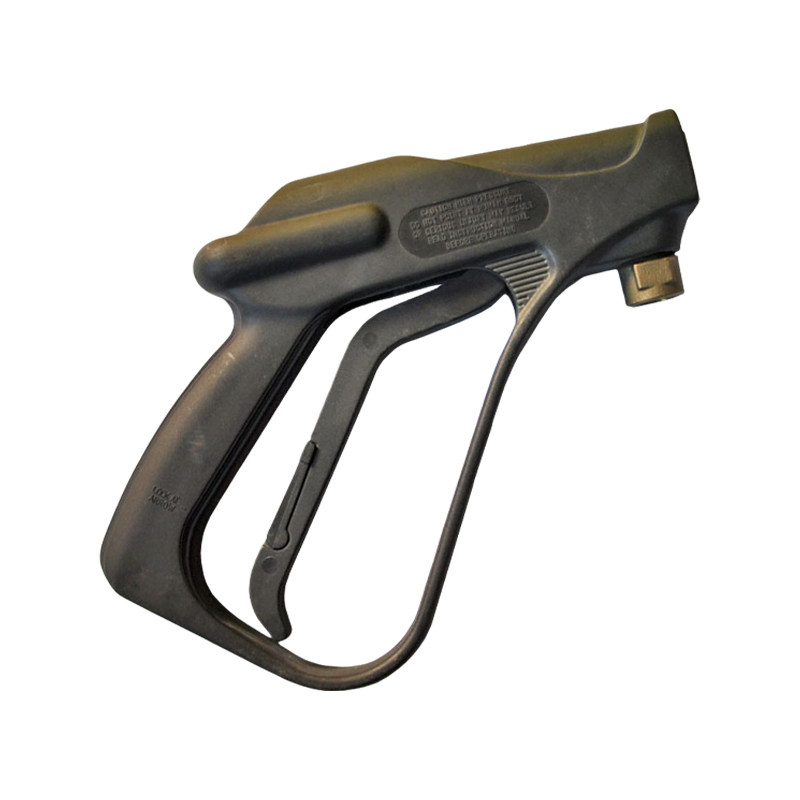
The brass outlet trigger spray gun is made of high-quality brass material and equipped with precise trigger design. Users can adjust the water flow rate and spray angle according to their needs to ach...
See Details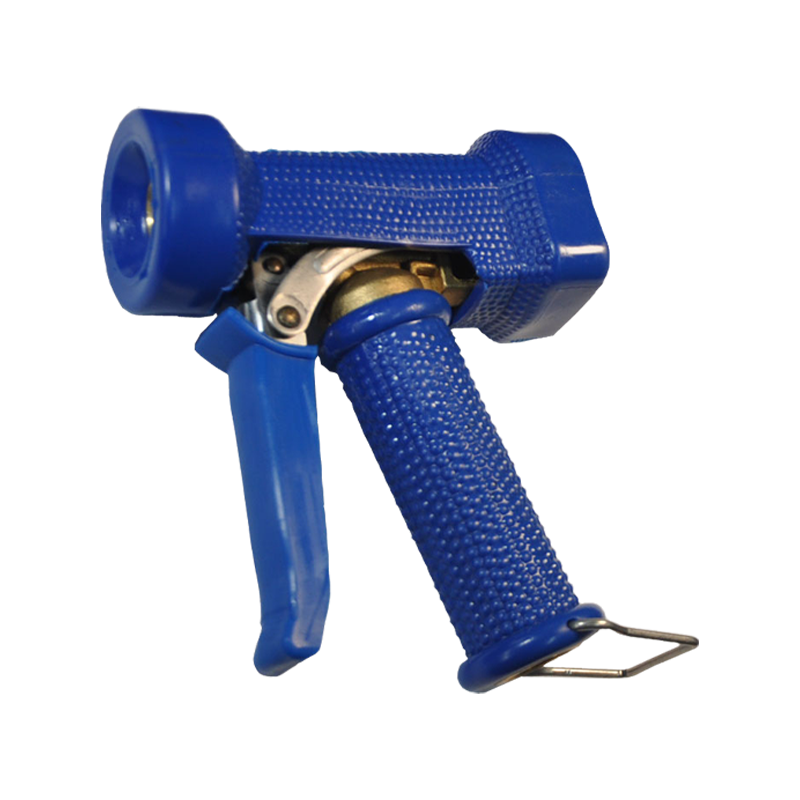
The heavy-duty brass flushing gun is specifically designed for low-pressure applications such as garden irrigation, dust suppression, and equipment cleaning. The ergonomic handle features an anti-slip...
See Details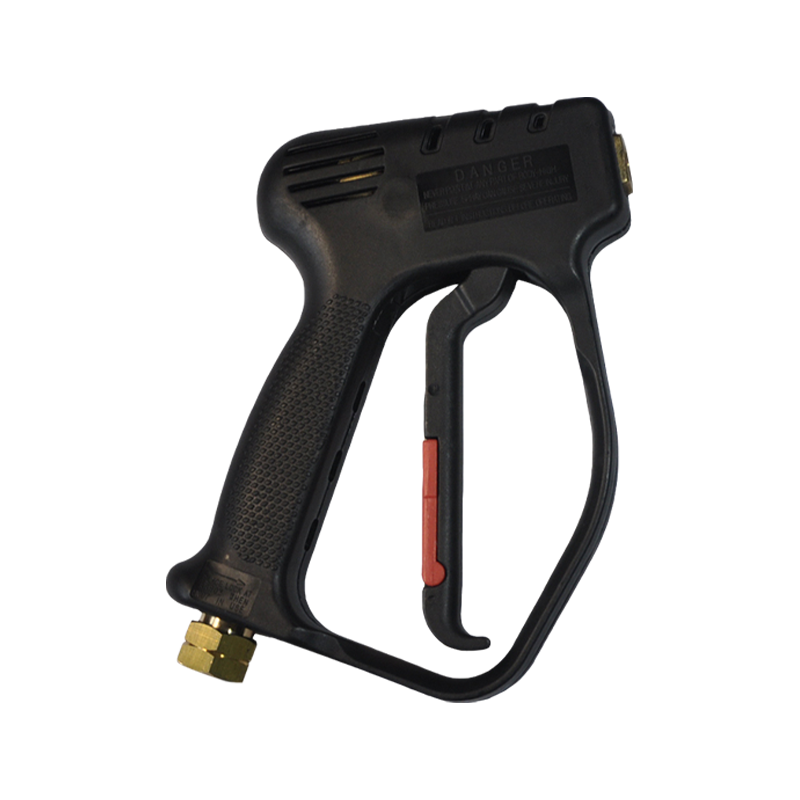
Industrial cleaning trigger spray gun is an efficient and durable cleaning equipment. Its internal sealing components are made of high-strength materials, effectively preventing leakage. Its design ca...
See Details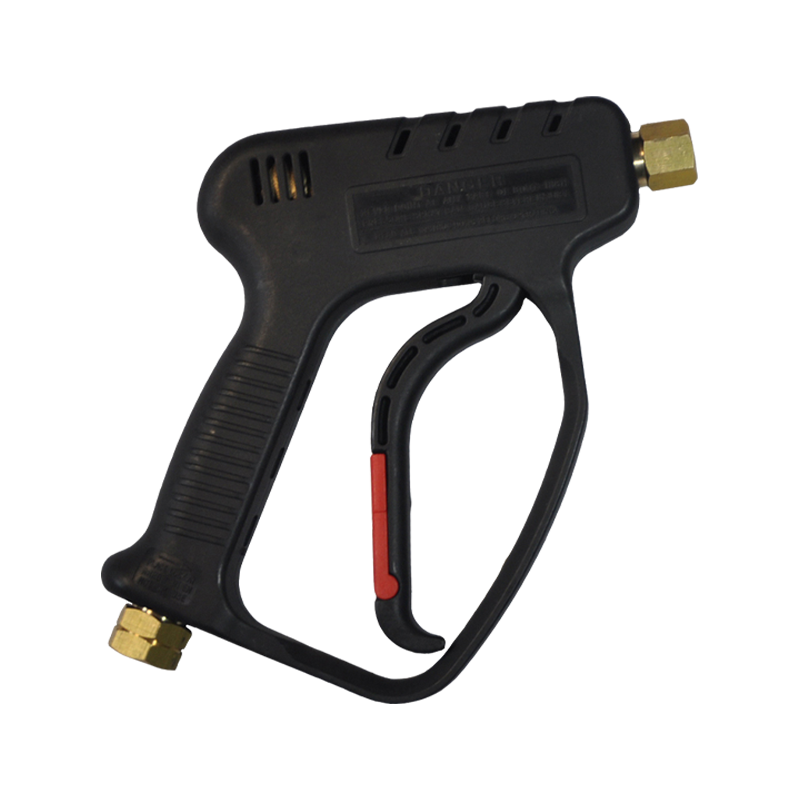
The portable handheld trigger spray gun is made of high-strength engineering plastics and/or metal materials, and the handheld part is coated with anti slip rubber to enhance the safety and comfort of...
See Details
The basic structure and working principle of the foam sprayer Foam sprayer is a device that mixes liquid diluent and air and sprays in the form of foam. It is widely used in car washing, industrial cl...
See Details
What is a high Pressure Washer Water Broom? A high Pressure Washer Water Broom is an accessory tool designed to improve floor cleaning efficiency and is usually used in conjunction with a high-pressur...
See Details
Introduction: Demands and Challenges of Modern Car Washing In modern society, cars have become an indispensable means of transportation in daily life, and almost every family has one or more cars. Wit...
See Details
1. Understand the basic structure and working principle of high-pressure cleaning spray guns The basic structure of a high-pressure cleaning gun A high-pressure cleaning gun consists of multiple parts...
See Details
 +0086-13003738672
