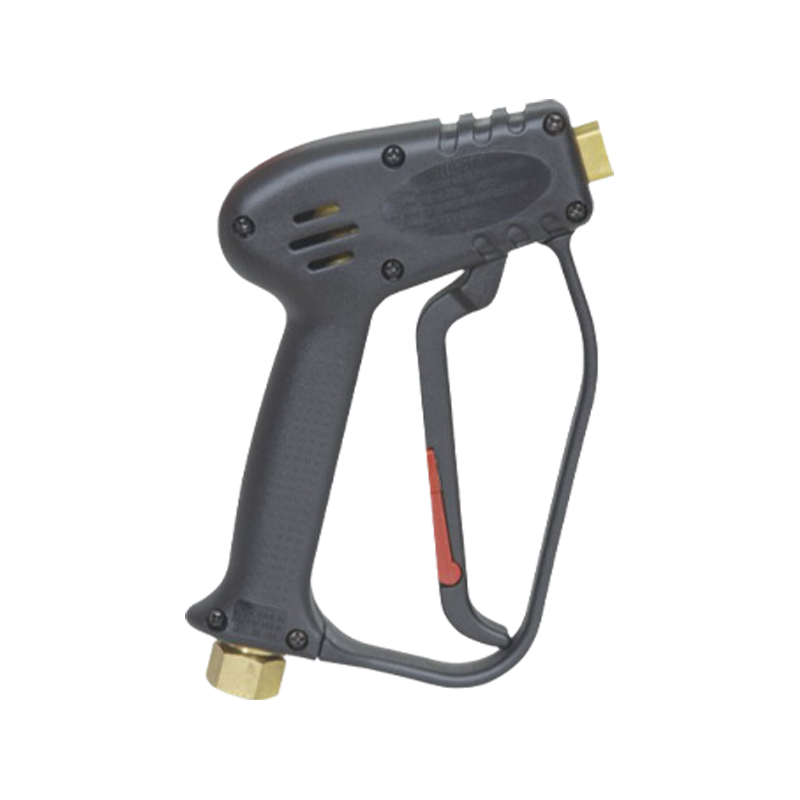
A lance is needed on almost every pressure washer, because a trigger gun on its own cannot put water where the work is. The lance is the rigid tube running from the gun outlet to the nozzle, and it keeps a few hundred millimetres of steel between your hand and a jet that can strip paint at close range. That distance is not cosmetic.
There are exactly two situations where the answer changes. First, machines whose lance is built into the gun body, where the tube is not detachable and the real question becomes whether you replace the whole gun-and-lance assembly. Second, tasks where a dedicated attachment mounts directly onto the gun: a surface cleaner, a foam cannon, a sewer jetter hose, or a low undercarriage broom. In those cases the attachment does the lance's job.
Everything else, including length, material, thread standard, and whether you use a quick coupler or a bayonet fitting, is a selection problem rather than a yes-or-no problem. The rest of this guide covers what genuinely changes when you swap one lance for another.
Buying conversations get muddled because "wand", "lance", "gun" and "nozzle" are used interchangeably. They are not interchangeable, and mixing them up is how buyers end up with a part that fits nothing they own.
A useful rule when specifying parts: if a component changes how far your hand sits from the spray, it is a lance; if it changes the shape of the spray, it is a nozzle.
Most replacement demand comes from wear at the two ends of the lance rather than the middle. The brass inlet cone flattens, the o-ring hardens, the bayonet collar cracks, or the plating on a carbon steel tube chips after a season of driveway work. A stainless steel lance generally outlasts a chromed one in the same duty, which matters if you are buying for a rental fleet or a commercial wash bay rather than a single driveway.
A flat surface cleaner, a foam cannon with a tank, and a sewer jetter hose all connect to the gun outlet through the same coupler the lance uses. Removing the lance is part of the setup, not a workaround. For foam work the swap is direct: unscrew the metal lance and screw the foam lance into its place.
The connector logic is worth memorising because it prevents a wasted order. On a typical quick coupler arrangement, the female half attaches to the gun and the male half to the lance, the foam lance, or any other attachment. Specify the wrong gender and you will be holding two parts that cannot meet.
Many domestic electric machines ship with the wand permanently assembled to the trigger. Nothing is missing and nothing is optional, but if you want a different length or a turbo tip you replace the complete gun-and-lance unit rather than a single tube.
This is where importers get caught out. A machine sold as a complete gun-and-lance assembly and a machine sold as a gun with the lance listed separately can look identical in a shelf photograph, and the difference only surfaces in the spare-parts list two seasons later.
A lance does not create pressure; the pump does. Adding 300 millimetres of tube will not make a 2,000 psi machine clean like a 3,000 psi one. What length changes is where the nozzle sits, how square you can hold it to the surface, and how much of the pump's output survives the trip to the tip.
Longer tubes mean more friction loss and more flex. In practice the loss is modest on a straight tube and larger on a bent or telescopic one, where the water has to turn corners. The bigger effect is control: every extra 100 millimetres magnifies trigger kickback and makes a consistent nozzle angle harder to hold.
| Length | Where it works | What you gain | What it costs you |
|---|---|---|---|
| 100 to 150 mm stub | Undercarriage, wheel arches, machinery, close detail | Highest tip pressure, tightest control, lowest bending load | You work close to splashback; impractical on walls |
| Around 300 mm (12 in) | Brick, lower walls, steps, single panels, car bodywork | Balanced reach and control; nozzle stays square to the work | Crouching for low areas; kickback felt above 3,000 psi |
| 500 to 600 mm (20 to 24 in) | Driveways, garage doors, fences, vans | Stand upright and cover large areas faster | Slightly softer jet; harder to keep a consistent angle |
| 900 mm and telescopic | Roofs, soffits, upper siding, tall vehicles | Reach without ladders or scaffolding | Noticeable friction loss, more flex, amplified kickback |
The 12 inch lance is the default for a reason. It is short enough to keep the nozzle square to brick and steps, and long enough that you are not kneeling in splashback. Contractors and detailers who spend the day on lower brick, wheel arches and bumpers usually keep one stub lance and one long lance rather than forcing a single length to do both jobs.
A dual lance does not raise pressure. One barrel simply bypasses flow to reduce it, which is convenient when you want to rinse a panel without changing tips, but it will never give you more cleaning power than the pump produces.
Two lances can carry the same 4,000 psi rating and behave completely differently after six months. The variables that matter are the tube material, the surface treatment, and the fitting at each end.
Thread standard is the second trap. M22, G1/2 inch and push-and-twist bayonet systems all appear on machines of the same pressure class, and adapters that convert between them are normal accessories rather than evidence of a mismatched order. Check the female thread on the gun, the male thread on the lance, and the seal type before you commit to a specification.
Pressure-related injuries almost always trace back to a connection that was assumed to be secure. Our breakdown of spray gun safety failures covers the checkpoints worth running through before every shift.
For a distributor or OEM buyer, the lance is a small line item with a disproportionate return rate if the specification is loose. These are the fields that belong on any purchase order.
For OEM and ODM programmes the same list becomes a drawing: bend radius, inlet cone angle, plating thickness, sleeve colour and master carton layout. A parts manufacturer with in-house tooling can hold those tolerances across repeat batches, which is the difference between a one-off sample order and a supply line that stops generating claims.
A lance is needed for any pressure washer task where the gun alone would put your hand too close to the spray, which covers nearly all of them. The exceptions are narrow and mechanical: an attachment mounted directly on the gun, or a machine whose wand is not detachable.
Choose by task rather than habit. A stub lance for low, tight work; a 12 inch lance as the default; a 20 to 24 inch lance when you want to stand upright on a driveway; a telescopic tube only when height genuinely demands it and you accept the pressure loss that comes with it. Match the thread and seal to the gun, keep a bag of o-rings in the van, and check the lock before every job.
Soft grip industrial high pressure spray guns are specifically designed for high-pressure cleaning applications, utilizing water as the sole medium. These spray guns are engineered with a high-pressur...
See Details
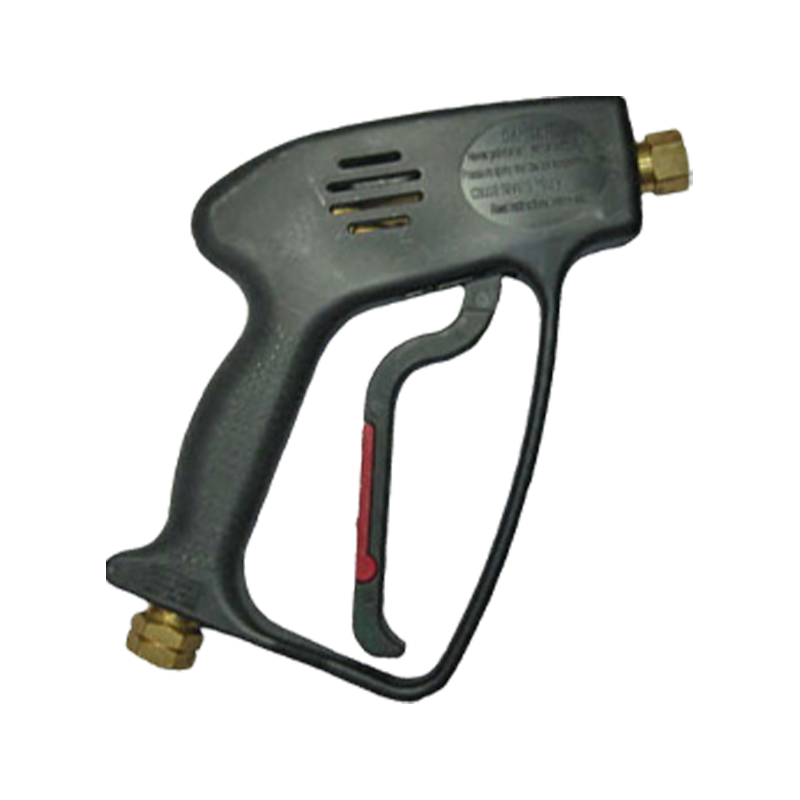
The Weep Trigger Spray Gun is an innovative water gun designed specifically to prevent high-pressure water pipes from freezing in winter. Its core feature is the small hole design at the spray gun val...
See Details
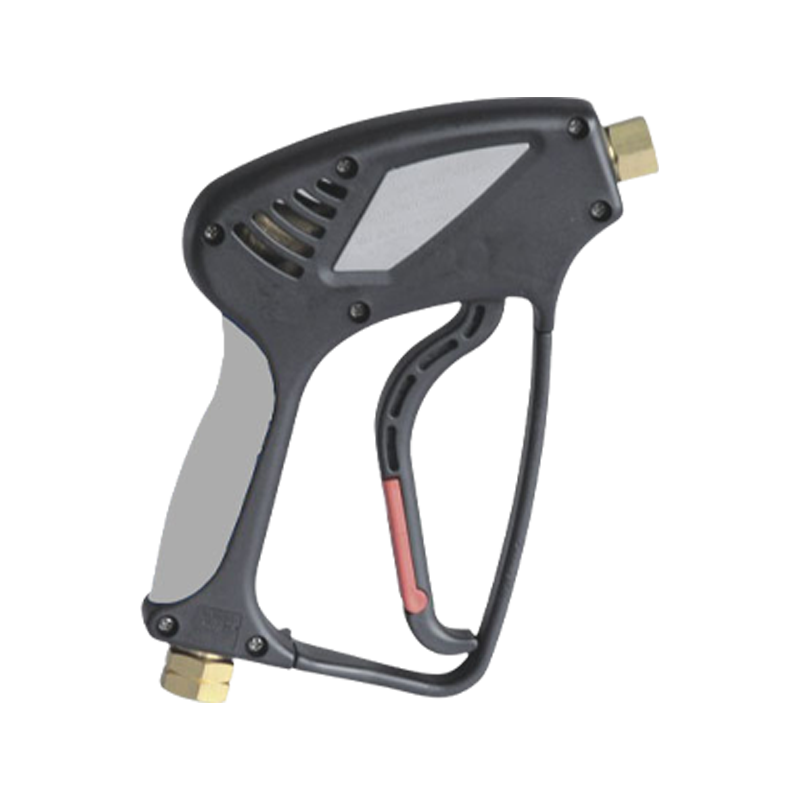
The high pressure power spray gun is an innovative cleaning equipment that integrates efficient cleaning and convenient operation. It uses high-pressure water flow to remove stubborn stains and is sui...
See Details
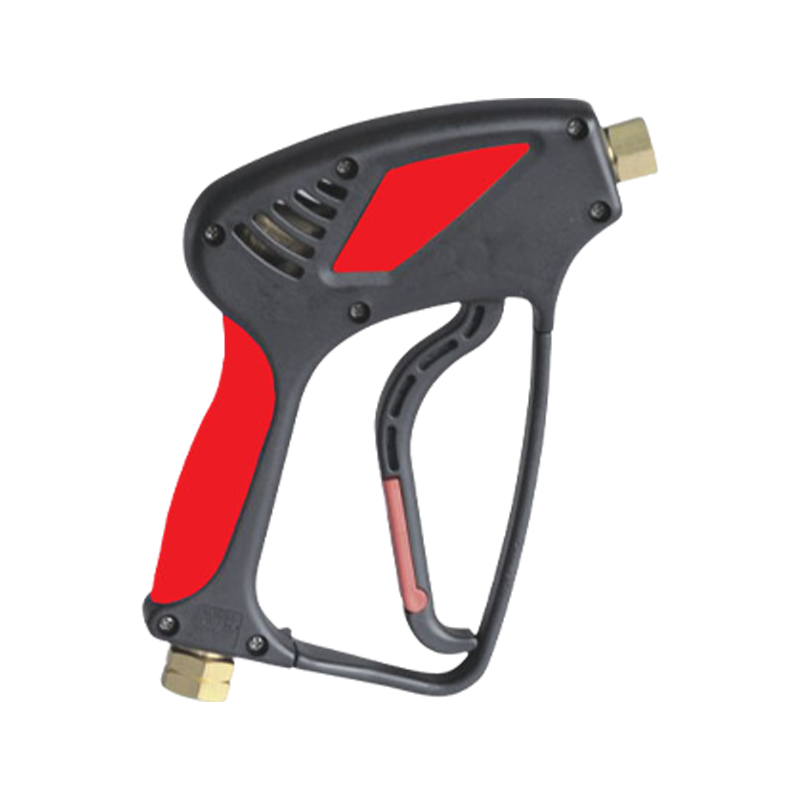
The high pressure cleaning spray gun is a standard configuration of a high pressure cleaning machine. The high-pressure water flow from the high-pressure cleaning machine passes through a high-pressur...
See Details
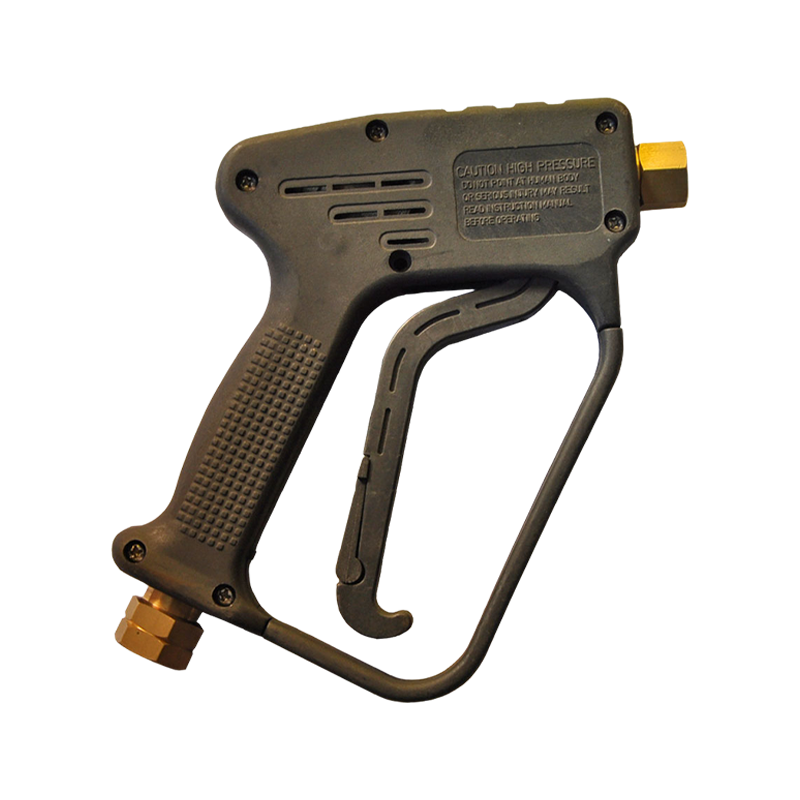
The carpet cleaning high pressure cleaning gun is a tool designed specifically for deep cleaning, using high-pressure water flow to efficiently remove dirt, dust, and stubborn stains from carpet fiber...
See Details
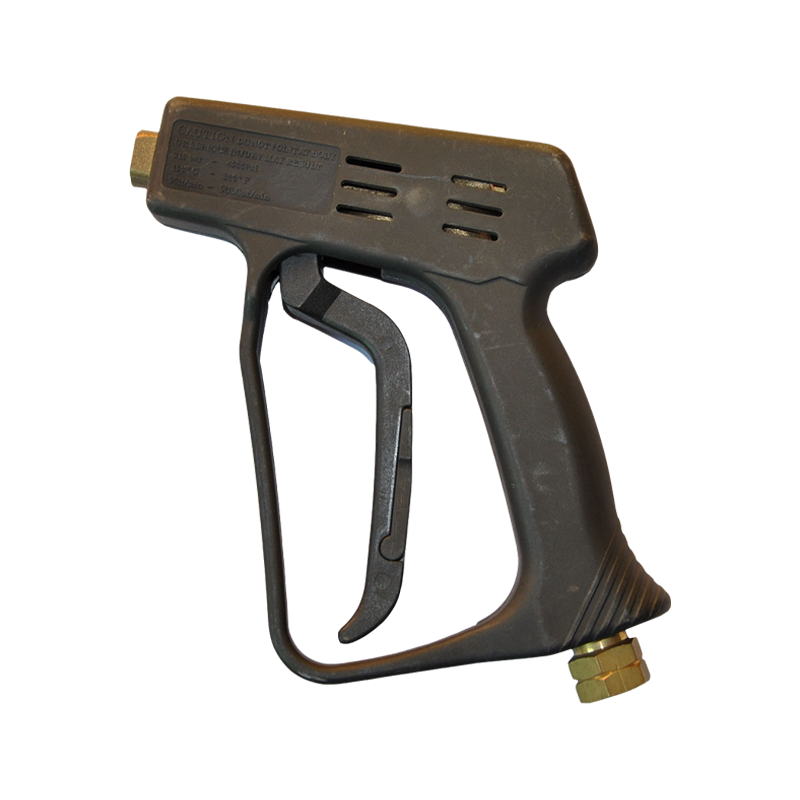
The 4500psi high pressure washing spray gun is a specialized tool designed for high-pressure liquid delivery and cleaning tasks, widely utilized in industrial cleaning, automotive maintenance, agricul...
See Details
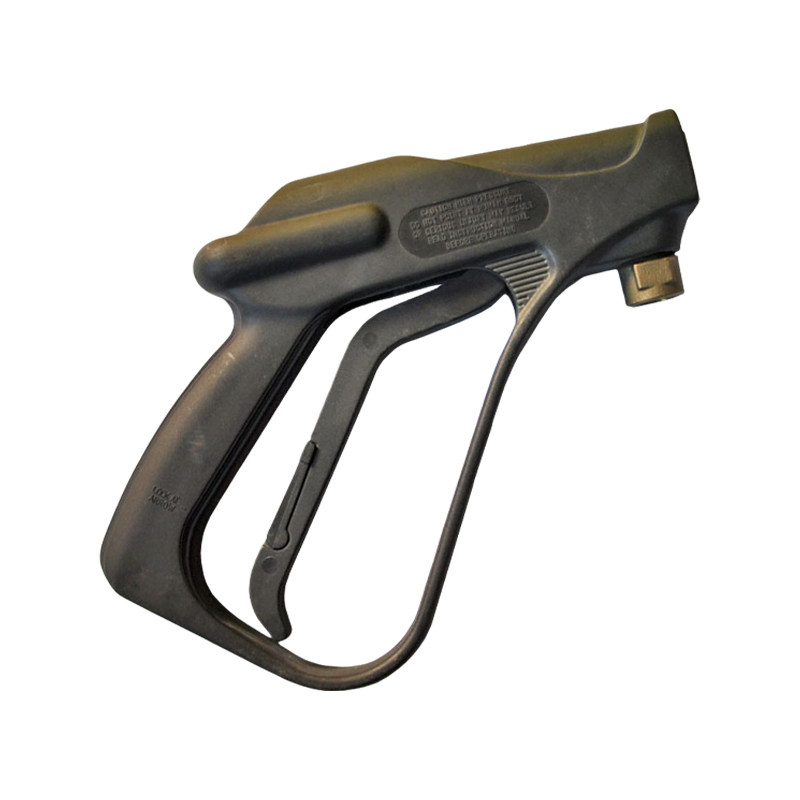
The brass outlet trigger spray gun is made of high-quality brass material and equipped with precise trigger design. Users can adjust the water flow rate and spray angle according to their needs to ach...
See Details
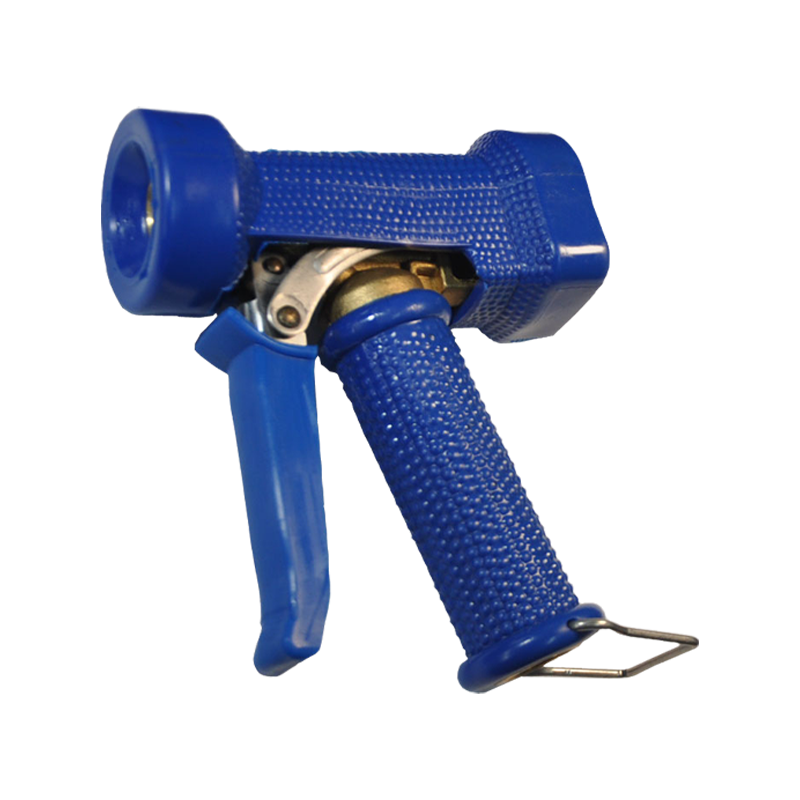
The heavy-duty brass flushing gun is specifically designed for low-pressure applications such as garden irrigation, dust suppression, and equipment cleaning. The ergonomic handle features an anti-slip...
See Details
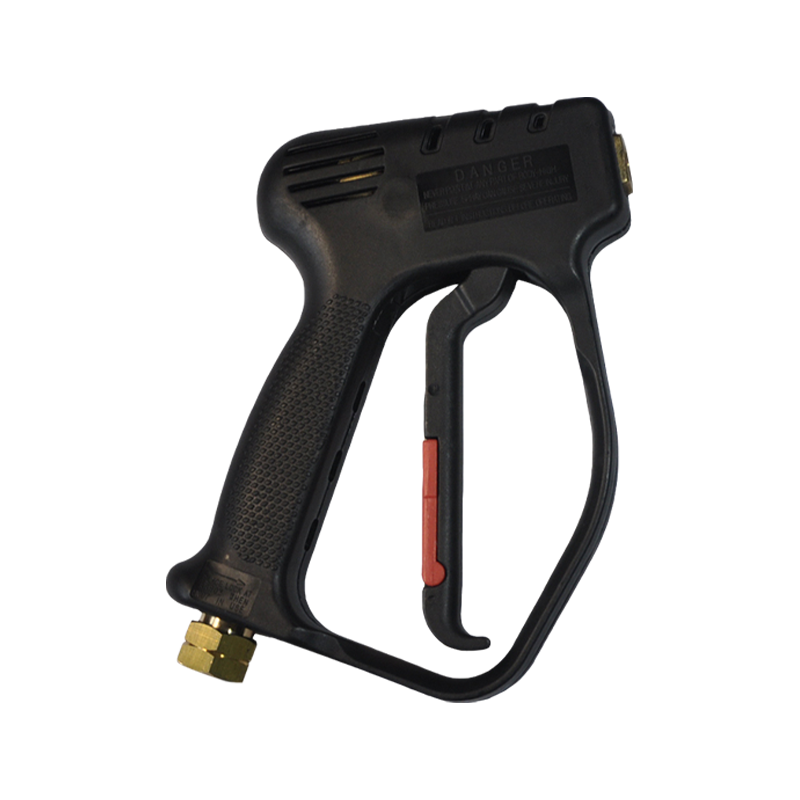
Industrial cleaning trigger spray gun is an efficient and durable cleaning equipment. Its internal sealing components are made of high-strength materials, effectively preventing leakage. Its design ca...
See Details
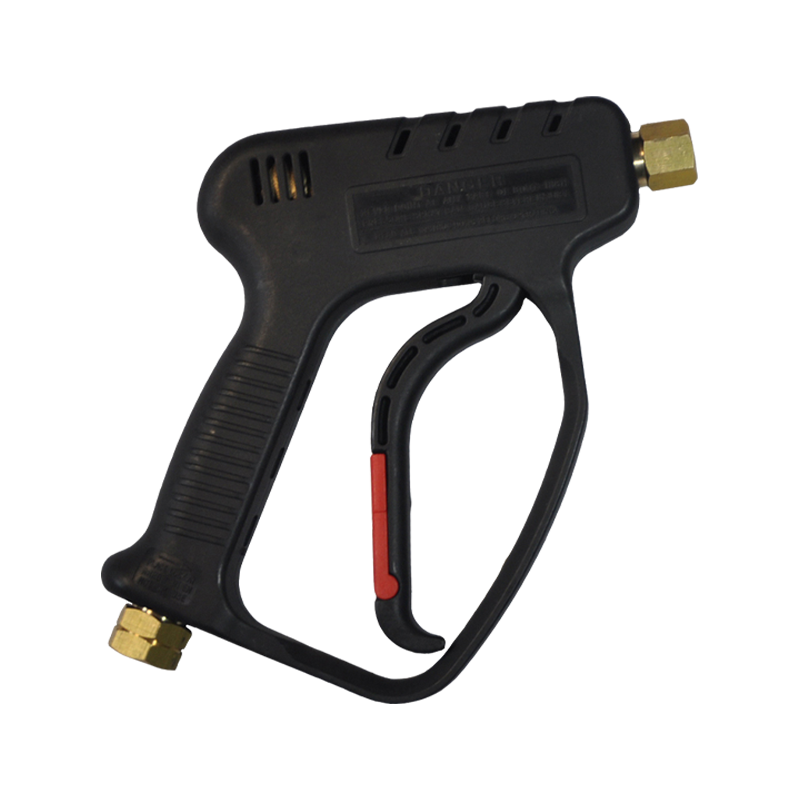
The portable handheld trigger spray gun is made of high-strength engineering plastics and/or metal materials, and the handheld part is coated with anti slip rubber to enhance the safety and comfort of...
See Details

The basic structure and working principle of the foam sprayer Foam sprayer is a device that mixes liquid diluent and air and sprays in the form of foam. It is widely used in car washing, industrial cl...
See Details
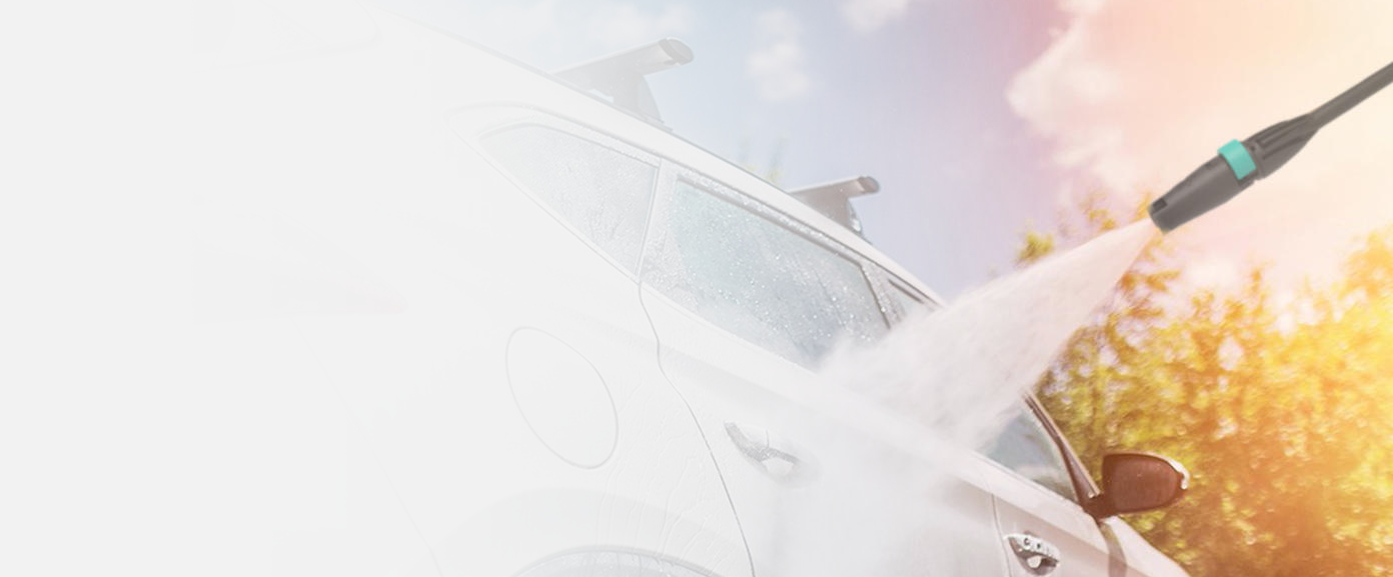
What is a high Pressure Washer Water Broom? A high Pressure Washer Water Broom is an accessory tool designed to improve floor cleaning efficiency and is usually used in conjunction with a high-pressur...
See Details
Introduction: Demands and Challenges of Modern Car Washing In modern society, cars have become an indispensable means of transportation in daily life, and almost every family has one or more cars. Wit...
See Details
1. Understand the basic structure and working principle of high-pressure cleaning spray guns The basic structure of a high-pressure cleaning gun A high-pressure cleaning gun consists of multiple parts...
See Details