
 English
 русский
Industry News
HOME / NEWS / Industry News / What Size Pressure Washer Lance for House Washing? Choose the Right Length

You pull the trigger, the water jets out, and within thirty seconds you realize the lance that came with your machine was designed for a driveway, not for a house. The jet pushes you back, the tip barely reaches the top of the ground-floor siding, and cleaning the foundation means bending at the waist with a meter of steel in your hands. Before you order nozzles, detergent or a bigger machine, answer the sizing question first: the lance decides whether washing a house feels effortless or exhausting.
Here is the short answer. For most residential house washing, choose a straight lance between 36 and 45 inches, with a quick-connect nozzle end and the correct gun-side thread for your pressure washer. That one wand covers siding, fascia, walkways and patios. Add a telescopic extension only for regular second-story work, keep a bent lance for the areas below eaves and around windows, and you will rarely feel the need to buy another lance.
Think of the lance as a lever rather than a tube. The pump pushes water down the hose, the nozzle accelerates it, and the reaction force pushes back into your hands. The longer the lever, the more reach you gain, but the more that force multiplies at your wrists and shoulders. At 24 inches you control the jet easily yet stand too close to the wall, so splashback hits your face. At 60 inches you can reach a single-story roofline without a ladder, but your arms fatigue within minutes.
The practical compromise for house work is 36 to 45 inches. A 36-inch lance keeps the nozzle about an arm's length from your body: far enough away from splashback, close enough for precise aiming at window frames and lap joints. A 45-inch lance adds the reach needed for gutters, gables and the top course of siding without turning the wand into an unstable whip. For most houses, one fixed lance in this band handles everything.
| Lance length | Best used for | Main trade-off |
|---|---|---|
| 18–24 in / 45–60 cm | Foundation edges, wheel arches, tight corners under porches | You stand close to the surface, so splashback is hard to avoid |
| 30–36 in / 75–90 cm | One-story siding, deck planks, garage floors | Good control but limited reach; not enough for gutters |
| 36–45 in / 90–115 cm | General house washing, fascia, upper siding, patios | The most balanced combination of reach and control |
| 48 in and longer, or telescopic | Second-story walls, soffits, high gutter lines | Heavier to hold steady; needs two hands at full extension |
The correct length depends on where the surface sits, not on the power of the machine. A 4000 PSI commercial unit still benefits from a 36-inch lance when washing siding, because the jet has to stay at the right distance from the wall to clean without damaging it.
A straight lance is the baseline for house washing. It delivers a predictable jet direction, makes it easy to sweep the siding from side to side, and works well on driveways and vehicles. But a straight tube has one blind spot: the area directly beneath your feet. Cleaning under eaves, around window sills or along the bottom edge of siding forces you to bend and twist your wrist just to bring the nozzle into position.
A bent lance solves that problem. The angled head lets you wash horizontal undersurfaces while standing upright, which is why experienced operators reach for it under gutters, porch ceilings and low overhangs. If your house has soffits or a covered porch, add one even if the machine shipped with a straight wand.
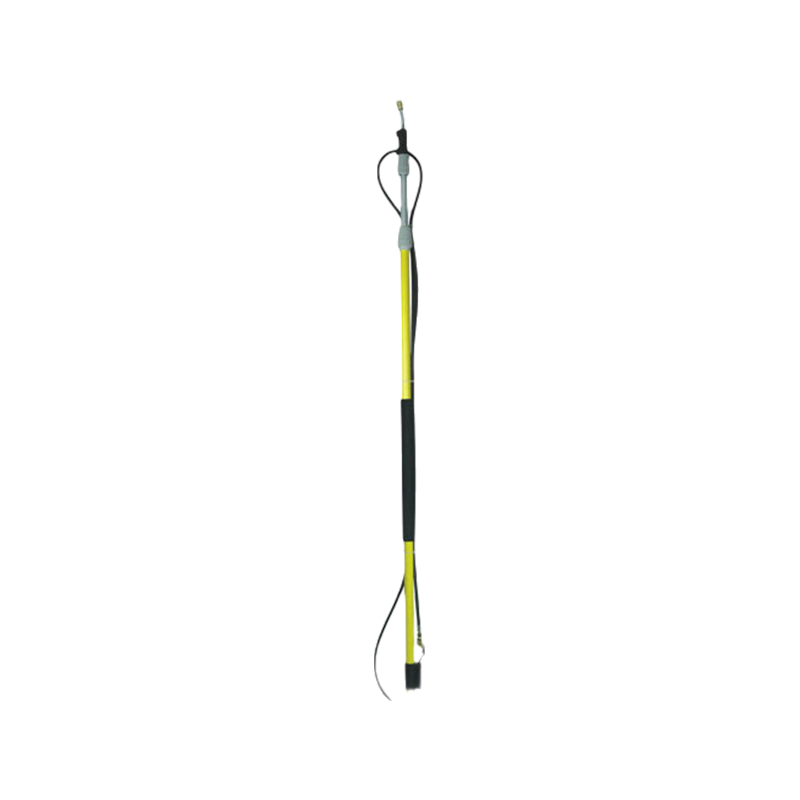 Telescopic Spray Gun Extension Rod Kit for Variable ReachThis multi-section telescopic rod extends beyond seven meters for high cleaning tasks while closing to a compact length. Built with fiberglass and aluminum, it suits second-story walls and soffits where adjustable reach matters.View Product →
For second-story walls, resist the temptation to buy one very long fixed lance. A 60-inch wand is difficult to control, catches the wind and stores badly. A telescopic extension gives variable reach: closed, it behaves like a 45-inch lance; extended, it cleans soffits and upper windows from the ground. That flexibility matters more in residential work than anywhere else, because every house has a different wall height and setback.
Two lances with identical dimensions can feel completely different in your hands, because the tube material changes weight, stiffness and durability. The common household options are galvanized steel, chromed steel and stainless steel.
Most budget machines ship with galvanized or chromed steel lances. They are light, inexpensive and fine for occasional washing, but the coating wears where the tube rubs against concrete or metal, and exposed steel begins to pit in humid or coastal air. If you wash every few weeks and store the lance indoors, a good chromed steel wand is a sensible choice.
Stainless steel costs more and weighs more, and it earns the difference in two ways. It survives detergents, bleach-based soft wash chemicals and salt air without rusting, and the stiffer tube transmits the jet more predictably when you are working from a ladder or reaching overhead. For a house near the coast, or for anyone who plans to use the machine semi-professionally, stainless is worth the extra money.
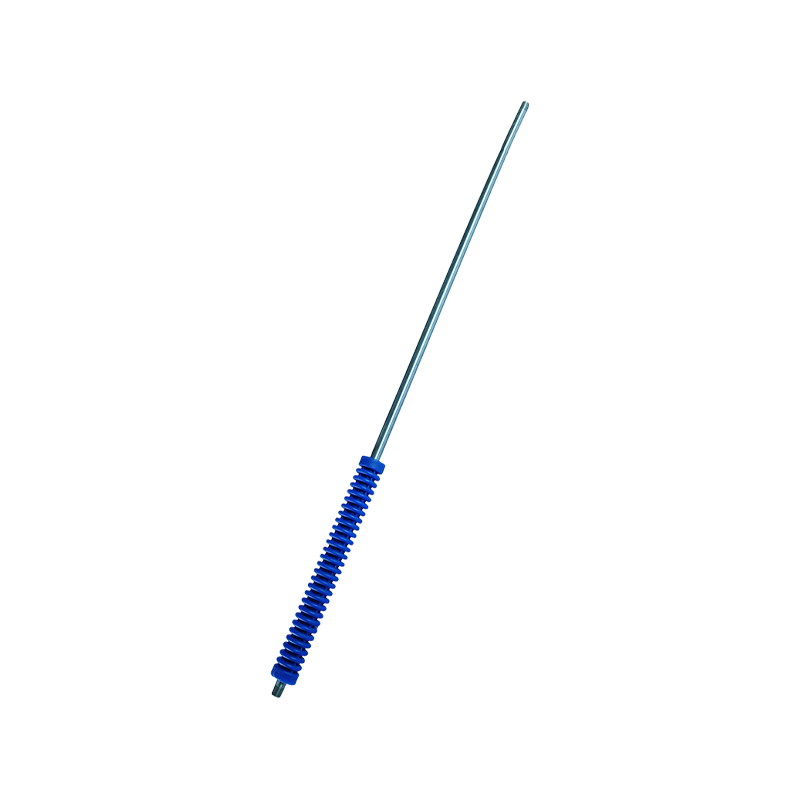 Solid Handle Stainless Steel Spray Gun BarrelA precision-machined barrel with a solid handle rated up to 5000 psi. The stainless steel resists rust and detergents, making it a reliable upgrade for coastal homes or semi-professional use where durability and control are essential.View Product →
Length and material will not save you if the lance will not attach to your gun. Residential pressure washers use a small set of couplings, and the differences between them are subtle enough to cause returns.
The most widespread standard is the M22 thread, but M22 is not one single size. An M22-14 connection and an M22-15 connection look almost identical, and forcing the wrong one will damage both the lance and the gun outlet. Measure the diameter of the threaded end on your gun carefully, or check the owner's manual, before ordering. A smaller group of machines use G1/2" parallel threads or a bayonet-style push-and-twist coupling, so confirm the style on your model rather than assuming.
On the nozzle end, the standard is a 1/4-inch quick-connect plug that accepts bayonet-style nozzles. This matters for house washing because you will switch between a 25-degree jet for walls and a 40-degree jet for rinsing, and the swap should take seconds. A threaded nozzle holder also works, but it locks you into one spray angle unless you carry a wrench.
Many house-washing lances are built in two pieces: a rear section that connects to the gun and a front section that carries the nozzle. If your machine shipped with a two-piece wand, you already own an extension system. Swapping only the front section for a longer barrel is cheaper than buying a complete new lance and keeps the trigger and grip your hands already know.
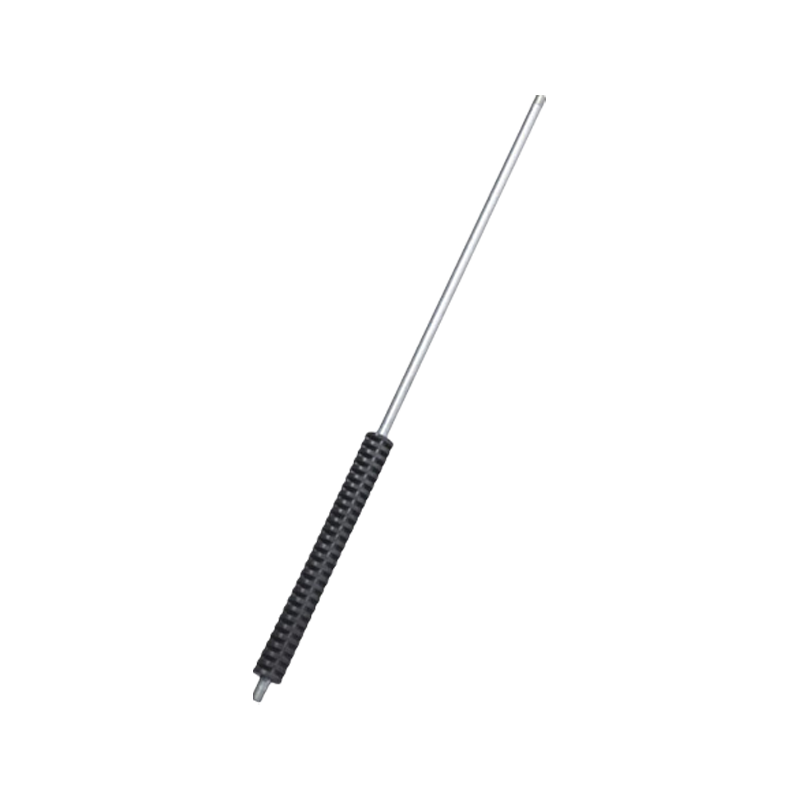 Spray Gun Extension Gun Barrel with Adjustable LengthThis extension barrel adds controlled length to your existing lance with a secure thread or quick-connect fit. An adjustable or angled design aids work in tight corners, and swapping the front section is cost-effective compared to a full new wand.View Product →
When you do extend the length, keep three rules in mind. Add length in one controlled increment; a long wand assembled from several joints flexes and becomes harder to aim. Use both hands at full extension, one on the grip and one near the nozzle end, to dampen the recoil. Remember that the longer the lance, the less precisely the nozzle responds to small movements of your wrist, so extend only as far as the job requires.
A lance fails in predictable places: the threaded end, the swivel collar and the nozzle seat. All three fail from neglect rather than normal wear. Rinse the lance with clean water after every session, especially after using detergents or soft wash chemicals, because chemicals left inside attack the coating at the fittings and can seize the quick-connect collar. Apply a thin layer of silicone lubricant to the O-rings twice a year, and never leave the lance lying on a concrete floor where the end threads can be chipped.
Most lance failures come from moisture left inside the tube and a thread knocked against concrete, not from normal use or pressure.
House washing also involves ladders. The safest approach is to plan the job so the ladder rarely moves: wash each wall section from the ground with a 45-inch or telescopic lance first, and use the ladder only for the final few inches of roofline and for areas that overhang. For the basics of grip, trigger discipline and machine shutdown, the pressure washing spray gun safety guide covers the mistakes that cause most household injuries.
You do not need four different wands to maintain a typical house. You need a justified shortlist:
Sizing a lance for house washing is not about matching numbers on a spec sheet. It is about reach, control and fatigue, and all three change with every few inches of tube. Start at 36 to 45 inches, bend when the house asks for it, extend when you must, and verify the threads before you order. That combination will feel right from the first wash.
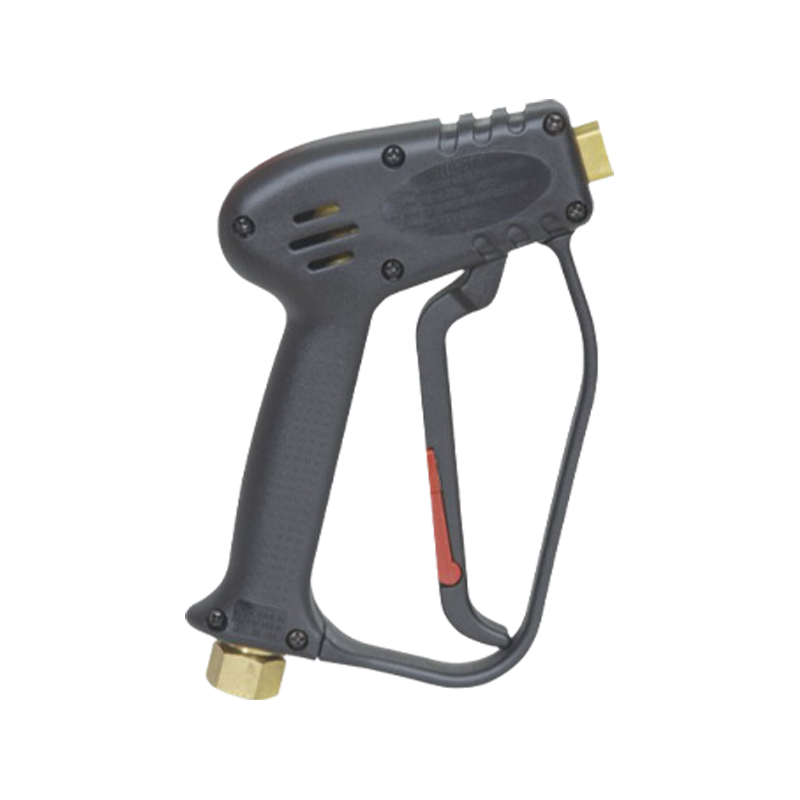
Soft grip industrial high pressure spray guns are specifically designed for high-pressure cleaning applications, utilizing water as the sole medium. These spray guns are engineered with a high-pressur...
See Details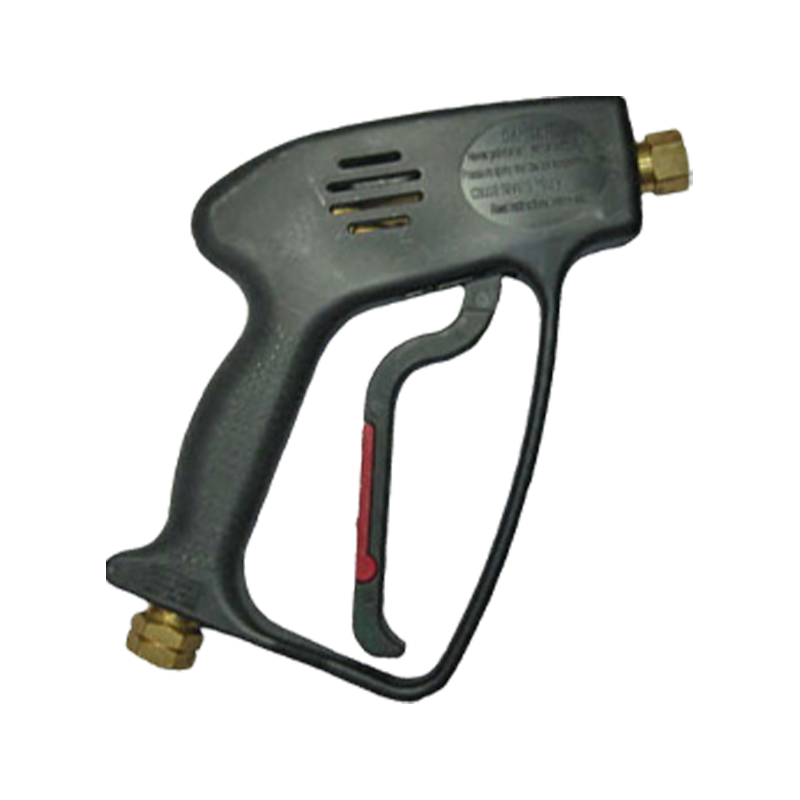
The Weep Trigger Spray Gun is an innovative water gun designed specifically to prevent high-pressure water pipes from freezing in winter. Its core feature is the small hole design at the spray gun val...
See Details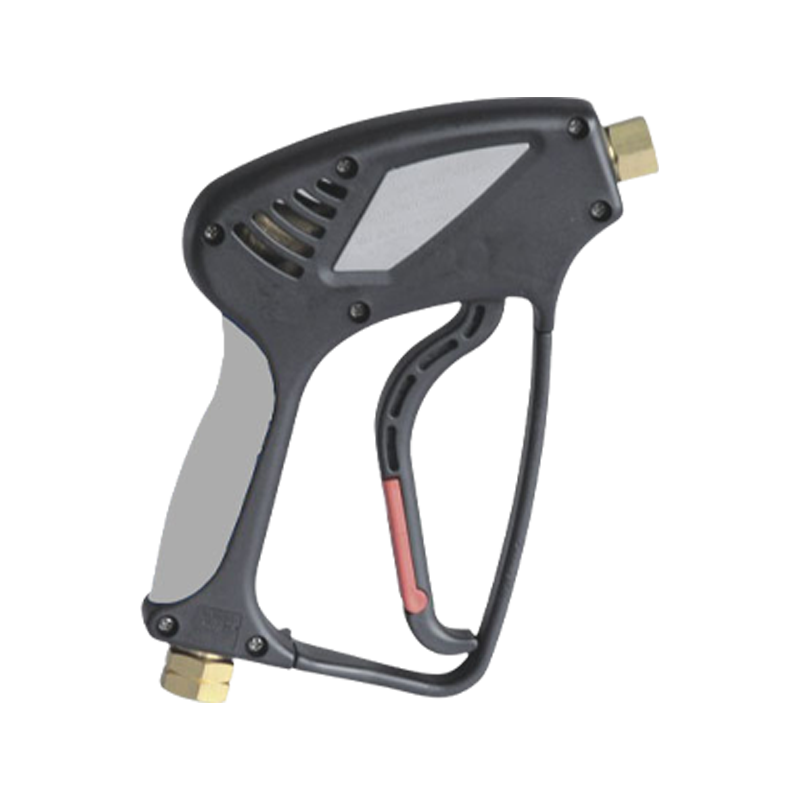
The high pressure power spray gun is an innovative cleaning equipment that integrates efficient cleaning and convenient operation. It uses high-pressure water flow to remove stubborn stains and is sui...
See Details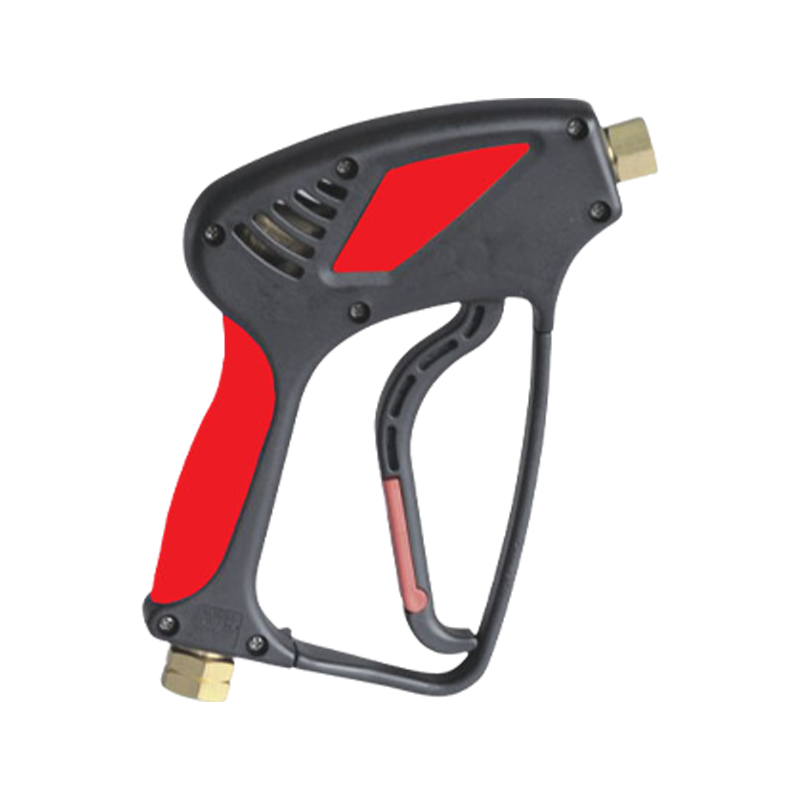
The high pressure cleaning spray gun is a standard configuration of a high pressure cleaning machine. The high-pressure water flow from the high-pressure cleaning machine passes through a high-pressur...
See Details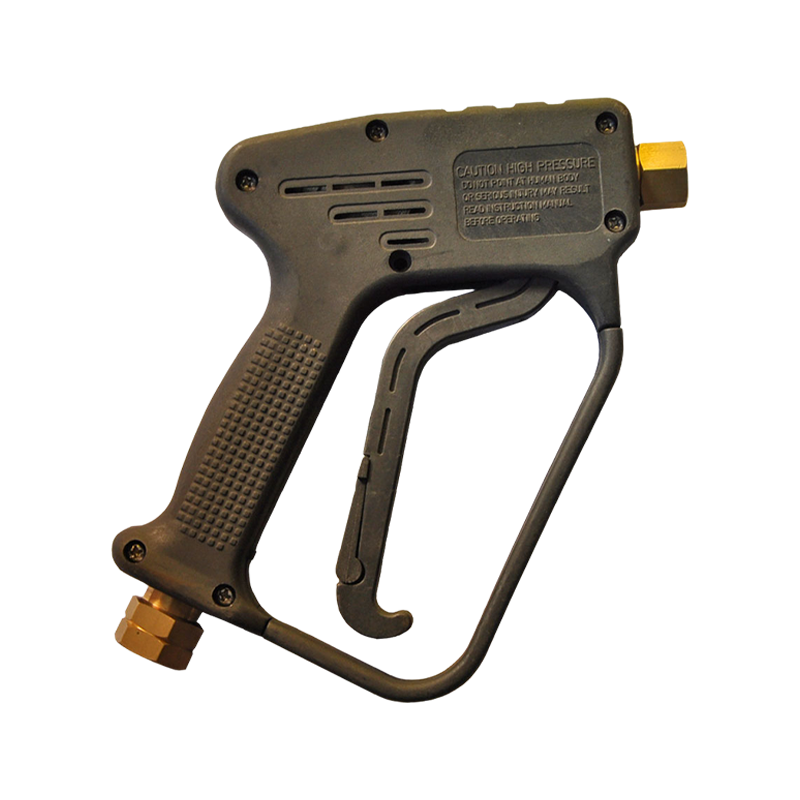
The carpet cleaning high pressure cleaning gun is a tool designed specifically for deep cleaning, using high-pressure water flow to efficiently remove dirt, dust, and stubborn stains from carpet fiber...
See Details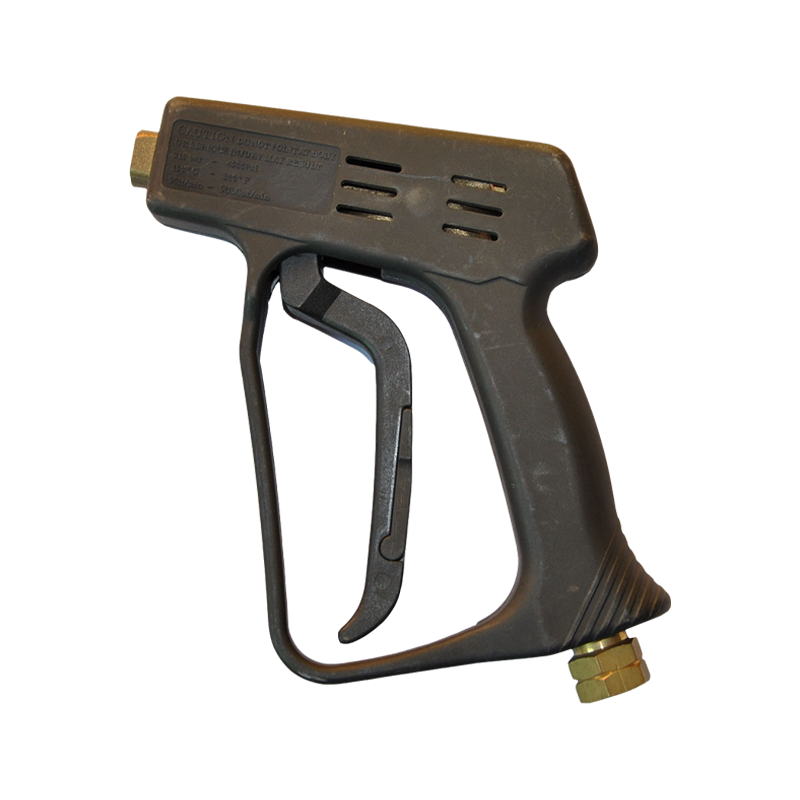
The 4500psi high pressure washing spray gun is a specialized tool designed for high-pressure liquid delivery and cleaning tasks, widely utilized in industrial cleaning, automotive maintenance, agricul...
See Details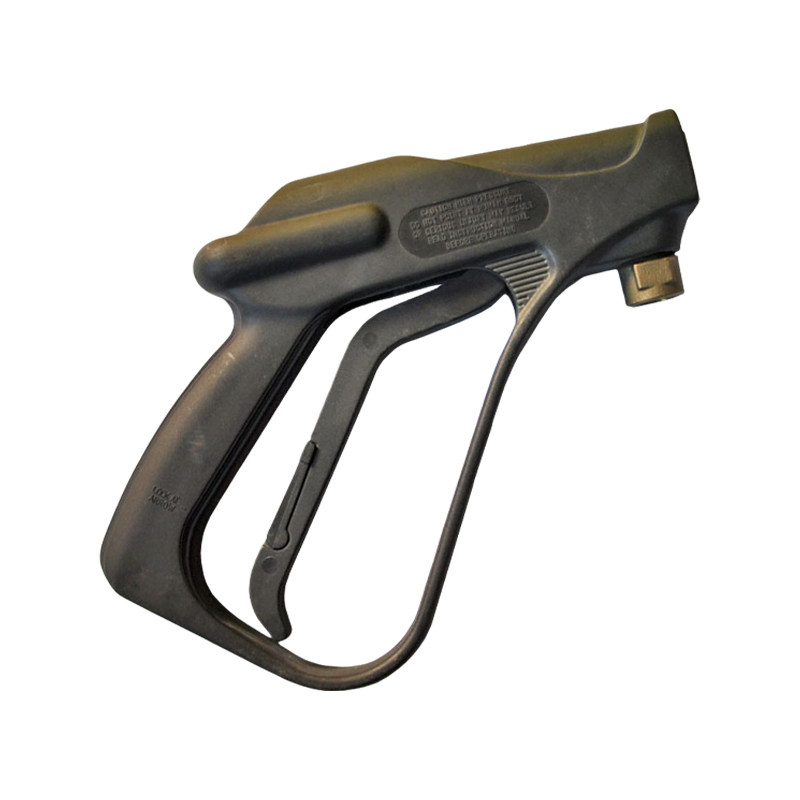
The brass outlet trigger spray gun is made of high-quality brass material and equipped with precise trigger design. Users can adjust the water flow rate and spray angle according to their needs to ach...
See Details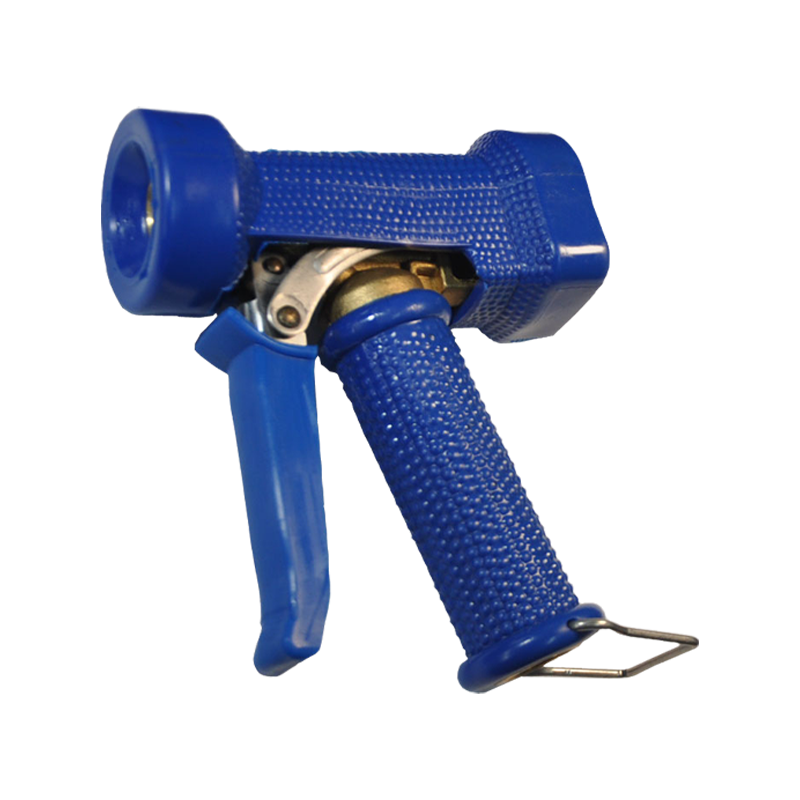
The heavy-duty brass flushing gun is specifically designed for low-pressure applications such as garden irrigation, dust suppression, and equipment cleaning. The ergonomic handle features an anti-slip...
See Details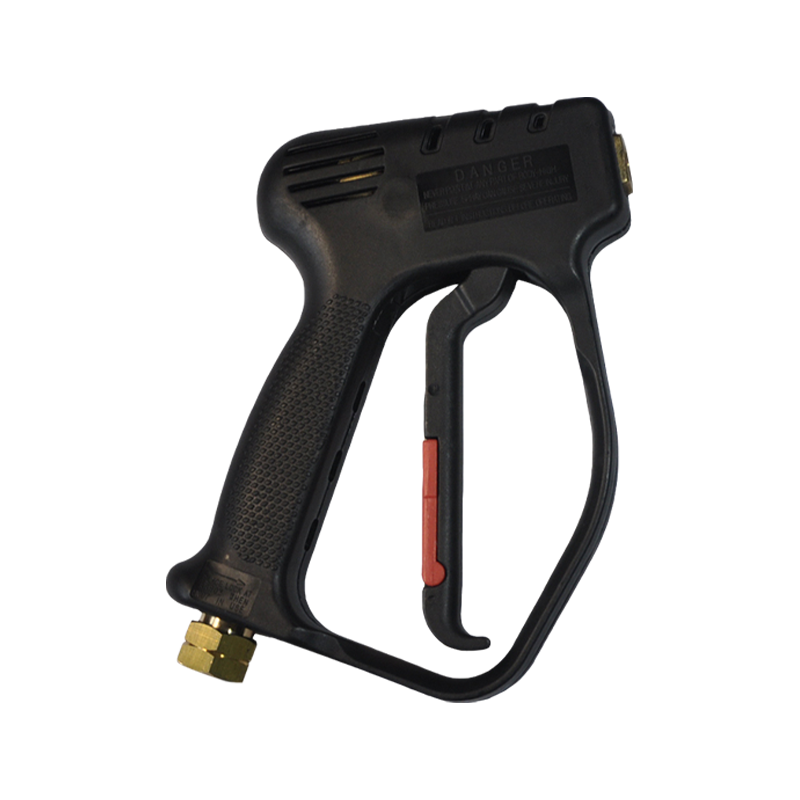
Industrial cleaning trigger spray gun is an efficient and durable cleaning equipment. Its internal sealing components are made of high-strength materials, effectively preventing leakage. Its design ca...
See Details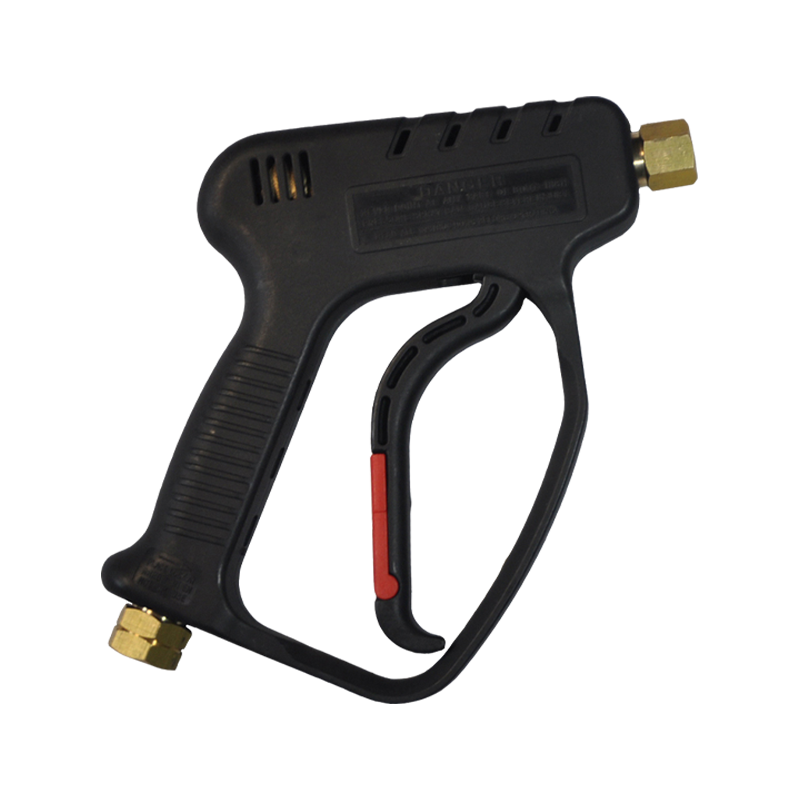
The portable handheld trigger spray gun is made of high-strength engineering plastics and/or metal materials, and the handheld part is coated with anti slip rubber to enhance the safety and comfort of...
See Details
The basic structure and working principle of the foam sprayer Foam sprayer is a device that mixes liquid diluent and air and sprays in the form of foam. It is widely used in car washing, industrial cl...
See Details
What is a high Pressure Washer Water Broom? A high Pressure Washer Water Broom is an accessory tool designed to improve floor cleaning efficiency and is usually used in conjunction with a high-pressur...
See Details
Introduction: Demands and Challenges of Modern Car Washing In modern society, cars have become an indispensable means of transportation in daily life, and almost every family has one or more cars. Wit...
See Details
1. Understand the basic structure and working principle of high-pressure cleaning spray guns The basic structure of a high-pressure cleaning gun A high-pressure cleaning gun consists of multiple parts...
See Details
 +0086-13003738672
