
 English
 русский
Industry News
HOME / NEWS / Industry News / Pressure Washer Wand vs Lance: What's the Difference and Which to Choose?

One catalog calls it a wand; another calls it a lance. The terminology is easy to settle. The measurements behind the name are where the real buying decision happens.
You are quoting parts for a commercial cleaning fleet and two line items catch your eye: “wand assembly, 24-inch” and “lance, stainless, 24-inch.” The photos look nearly identical, but the prices are not. Somewhere between the drawing and the quote, the same component has picked up two different names.
The conclusion up front: in pressure washing, a wand and a lance are the same physical component — the rigid tube between the trigger gun and the nozzle. What changes between listings is the specification hidden behind the name. This article settles the terminology, then covers the length, material, connections, and pressure ratings that actually matter to buyers and operators.
Both terms describe one piece: the tube that carries pressurized water from the gun body to the nozzle tip. The name changes by market, not by function.
“Lance” and “wand” both refer to the rigid conduit between the trigger gun and the nozzle. The name tells you little; the specification tells you everything.
For a buyer, the practical step is to translate every listing into the same set of numbers before comparing quotes. Length, material, thread standard, and pressure rating matter more than the seller’s dictionary.
| Term | Where it is commonly used | What it describes |
|---|---|---|
| Wand | North American retail and DIY market | The rigid tube between gun and nozzle |
| Lance | European and professional trade catalogs | Identical rigid tube |
| Gun barrel / gun rod | OEM drawings and manufacturer spec sheets | The same component in finished form |
The pump creates pressure, the nozzle shapes the jet, and the trigger gun meters the flow. The lance adds no pressure of its own, yet it strongly influences how the system performs on-site.
A lance does three jobs. First, it extends the reach of the jet, so floors, gutters, roofs, and facades can be cleaned without crouching into the spray. Second, it creates standoff distance between the operator’s hands and the nozzle — a genuine safety buffer at 3,000 psi and above. Third, it keeps the nozzle angle repeatable, which is why an even pass cleans consistently while an awkward posture leaves streaks.
Operators fixate on nozzle color and pressure figures, but poor lance geometry is a common cause of slow cycle times. When the operator adjusts their stance on every pass, tip speed drifts and the surface finishes unevenly.
Lance length is measured from the gun outlet to the nozzle tip and usually falls into one of three bands:
Angled lances add a bend near the tip so the operator can clean under ledges and behind obstructions while keeping the barrel parallel to the surface. Straight lances are simpler and slightly cheaper, and the flow difference is negligible unless you move very large water volumes.
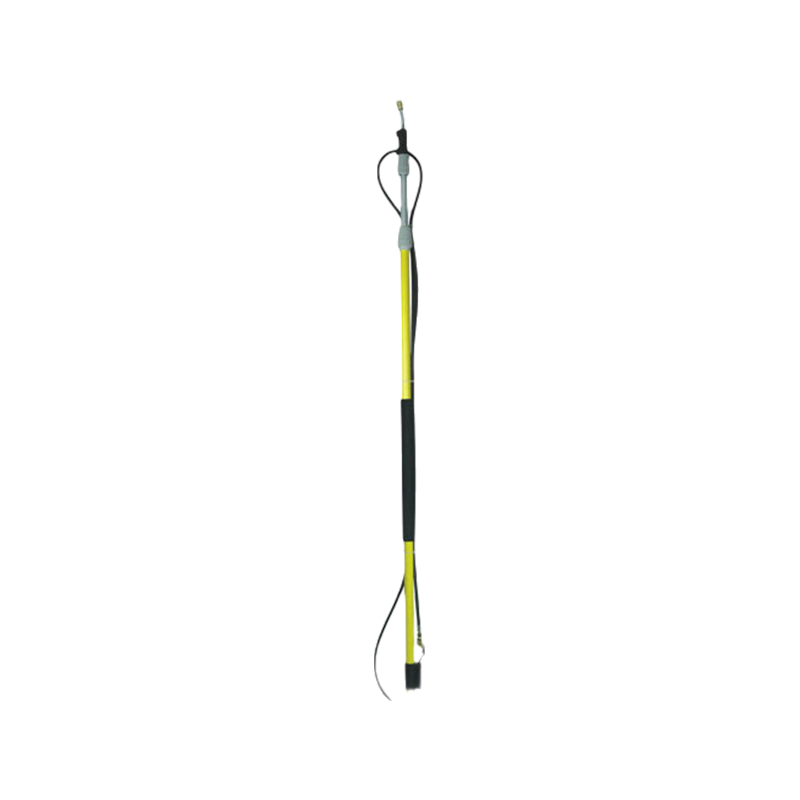 Telescopic Spray Gun Extension Rod for High-Reach CleaningThis multi-section fiberglass and aluminum rod extends beyond 7 meters for walls and roofs, rated to 280 bar. It suits mixed fleets needing one adjustable lance instead of several fixed barrels.View Product →
For a mixed fleet — vans, box trucks, trailers, and passenger vehicles in one operation — a telescopic lance bridges short and long reach. The operator extends the inner tube only when needed, which reduces the number of barrels the maintenance team has to stock.
The barrel has to survive two forms of abuse: abrasion from concrete, gravel, and vehicle edges, and chemical exposure from detergents, degreasers, and acidic wheel cleaners.
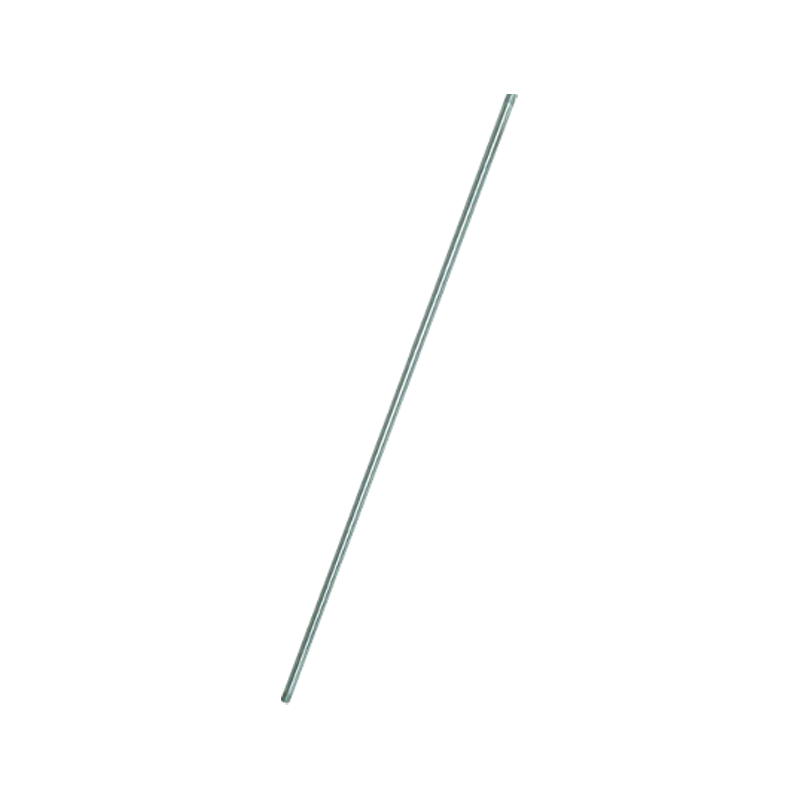 Stainless Steel Spray Gun Straight Tube for Durable FlowA precision-polished stainless straight barrel built for chemical resistance and wear. Its clean internal surface reduces turbulence and is a key point to inspect before relying on it in harsh cleaning tasks.View Product →
Inspect the joint between the tube and the end fittings. A clean, consistent weld or machined transition is what keeps the lance from cracking under pressure cycles; a cheap seam is where premature failures start.
Length and material are visible decisions. The connection standard is the hidden one, and it causes more order errors than any other variable. Lances must match the trigger gun outlet on one end and the nozzle mount on the other.
| Connection | Typical standard | Where it is normally found |
|---|---|---|
| M22 × 1.5 mm | Metric parallel | Common on European and professional machines |
| G1/2″ BSP | Inch parallel | Garden and semi-professional systems in many export markets |
| GHT / 3/4″ garden hose | Inch parallel, coarse | Common on North American consumer machines |
| Bayonet (push-and-twist) | Proprietary interface | Several major European washer brands |
| Quick-connect (male/female) | Complements the above | Nozzle ends and gun-to-lance joints for rapid changes |
The thread is the first thing to verify; the sealing seat is the second. A part that screws together can still leak when the seat geometry does not match.
Beyond the thread, check the sealing geometry. M22 fittings, for instance, come with flat-face and 60-degree cone seats; the two can screw together but weep at working pressure. A knowledgeable supplier asks about the seat before quoting, not after the order fails.
That is why sourcing from a specialist matters. A manufacturer that has produced gun rods, fittings, and couplings for more than a decade, like this one based in Ningbo, will keep the standard drawings on hand and confirm compatibility before you commit to a batch order.
Most replacement purchases are single straight or angled lances, but two other configurations turn up in professional fleets.
A double lance joins two tubes to a common inlet, giving the operator two hand positions — useful when a rotating or turbo nozzle produces reactive torque at the tip, and common on long shifts of concrete and industrial cleaning.
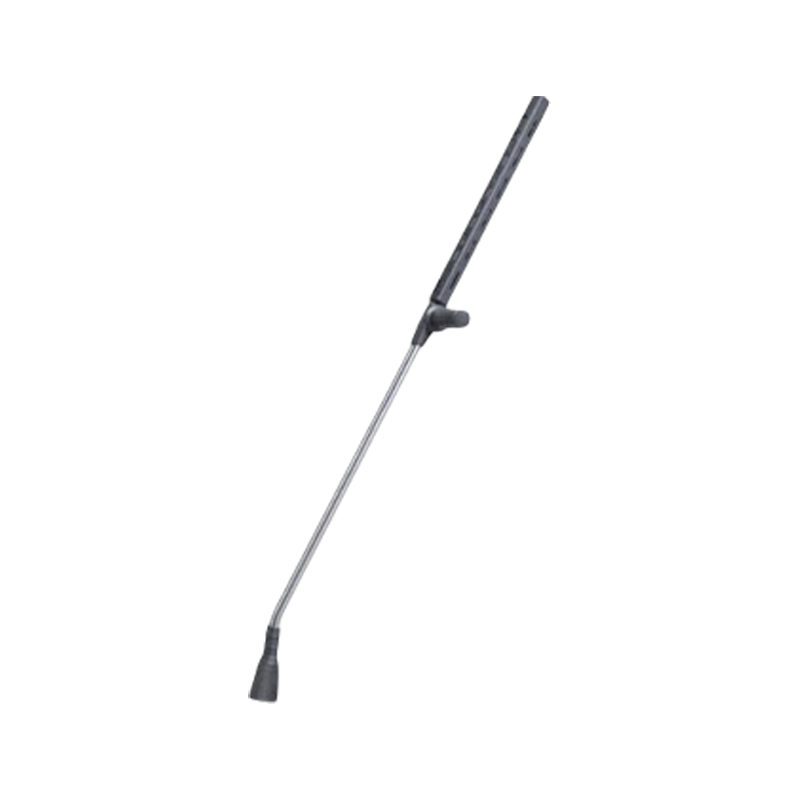 High Pressure Cleaning Machine Double Gun Rod with Hollow HandleThis rod mounts two nozzles—low-pressure for detergent and high-pressure for rinsing—with switchable control on the handle. It removes the need to swap barrels and gives two hand positions for torque management.View Product →
Rear-entry extender guns move the hose connection behind the operator’s hand, keeping the front of the tool clear inside engine compartments and behind obstructions. Telescopic barrels act as a variable-length alternative to stocking three fixed sizes.
What separates a lance that lasts two years from one that fails in two months usually comes down to details that do not appear in a product photo:
Safety follows directly from condition. A cracked weld or worn thread can let the lance whip when the trigger is pulled, striking the operator or nearby workers. We cover the operational details in our pressure washing spray gun safety guide; the principle is simple: a lance is a pressure vessel you hold in your hand, not a plumbing fixture.
Whether you write “wand,” “lance,” or “gun barrel” on the purchase order, the same fields need to be filled. Use this as your request-for-quote template:
| Parameter | What to confirm | Why it matters |
|---|---|---|
| Overall length | 18, 24, 36 in, or custom | Determines reach and operator fatigue |
| Tip geometry | Straight or bent, bend angle | Access to ledges, wheel wells, and gutters |
| Material and finish | Chromed steel, stainless, aluminum | Corrosion and chemical resistance |
| Inlet thread | M22 × 1.5, G1/2, GHT, bayonet | Must match the trigger gun outlet |
| Nozzle connection | M22, quick-connect, MEG threaded | Must match the nozzle family in use |
| Working pressure | psi or bar rating, min–max | Must cover the machine’s actual output |
| Grip and insulation | Bare, rubber sleeve, insulated core | Operator comfort in hot or cold work |
| Configuration | Single, double, telescopic | Control and reach requirements |
Pressure washer wand and pressure washer lance are two names for one component. Treat the words as synonyms, then put your attention into the numbers: length, material, thread standard, pressure rating, and configuration.
The best suppliers will not take your word for the part name; they will ask about threads, pressure, and what your operators are cleaning. If the person quoting the order asks those questions, you are probably in the right place. If they guess, keep calling.
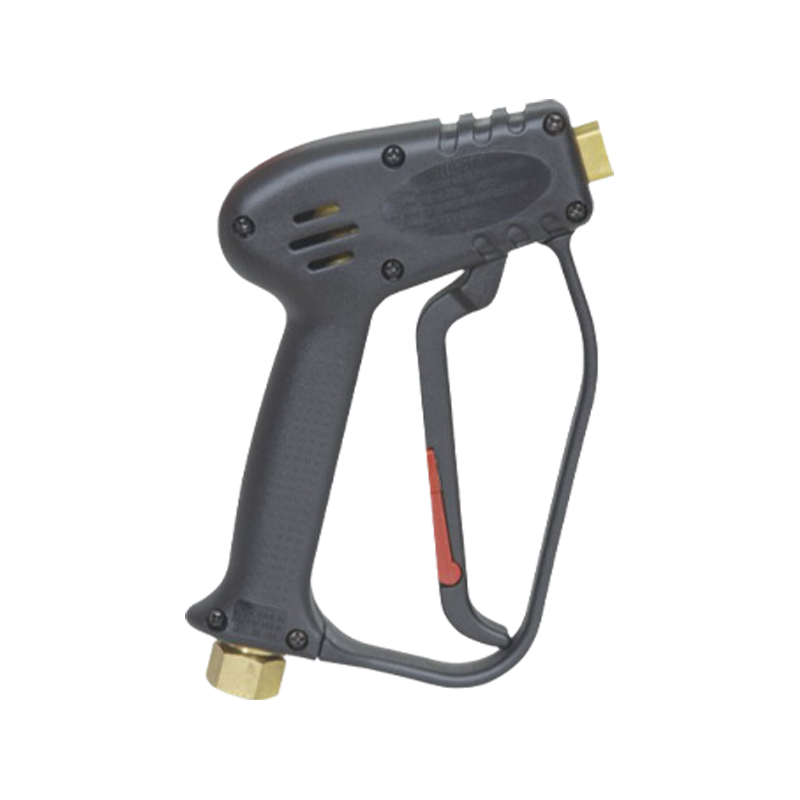
Soft grip industrial high pressure spray guns are specifically designed for high-pressure cleaning applications, utilizing water as the sole medium. These spray guns are engineered with a high-pressur...
See Details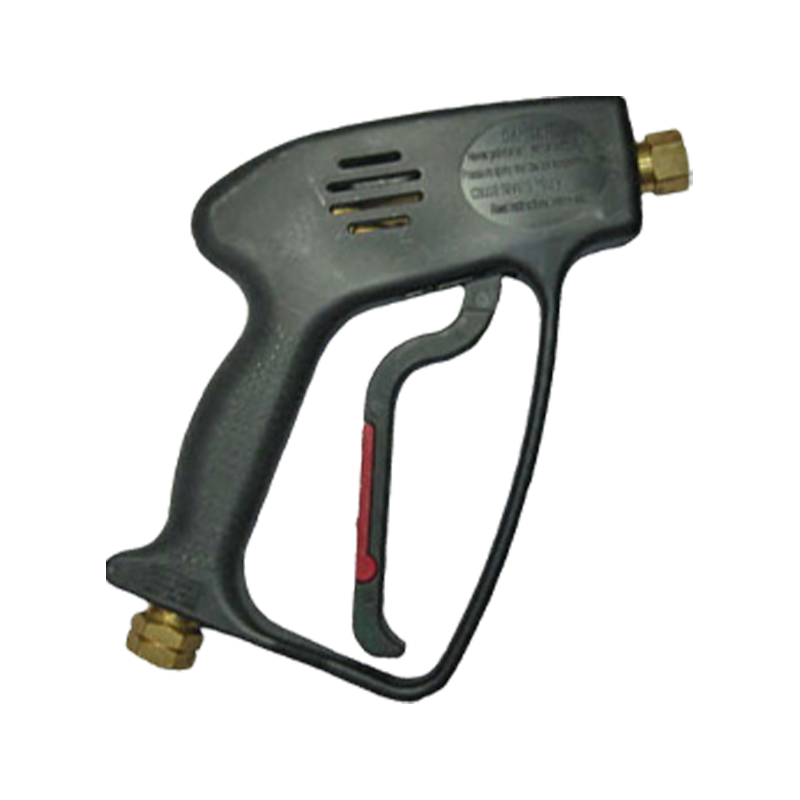
The Weep Trigger Spray Gun is an innovative water gun designed specifically to prevent high-pressure water pipes from freezing in winter. Its core feature is the small hole design at the spray gun val...
See Details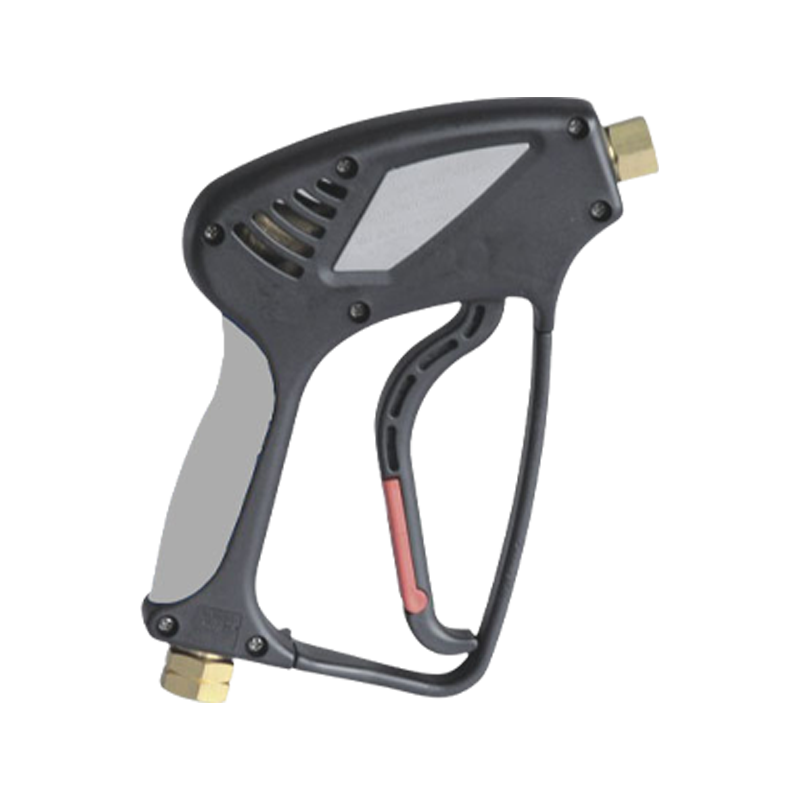
The high pressure power spray gun is an innovative cleaning equipment that integrates efficient cleaning and convenient operation. It uses high-pressure water flow to remove stubborn stains and is sui...
See Details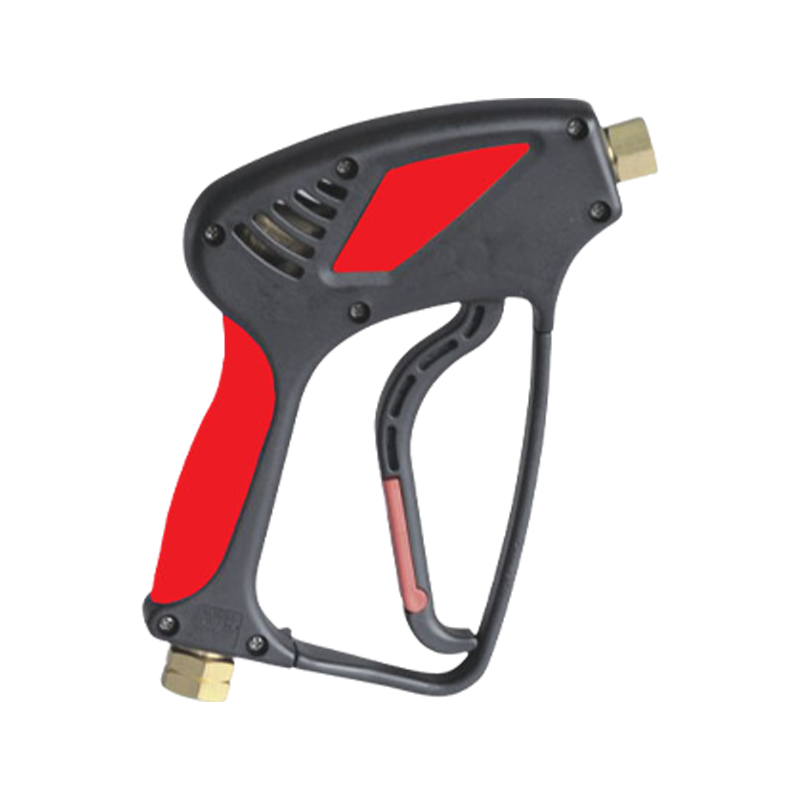
The high pressure cleaning spray gun is a standard configuration of a high pressure cleaning machine. The high-pressure water flow from the high-pressure cleaning machine passes through a high-pressur...
See Details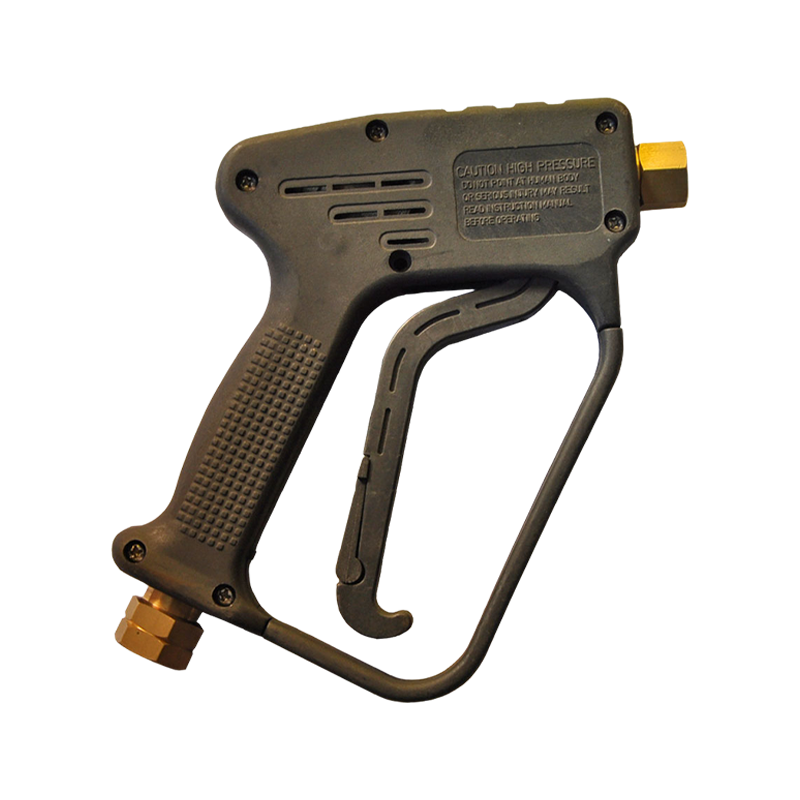
The carpet cleaning high pressure cleaning gun is a tool designed specifically for deep cleaning, using high-pressure water flow to efficiently remove dirt, dust, and stubborn stains from carpet fiber...
See Details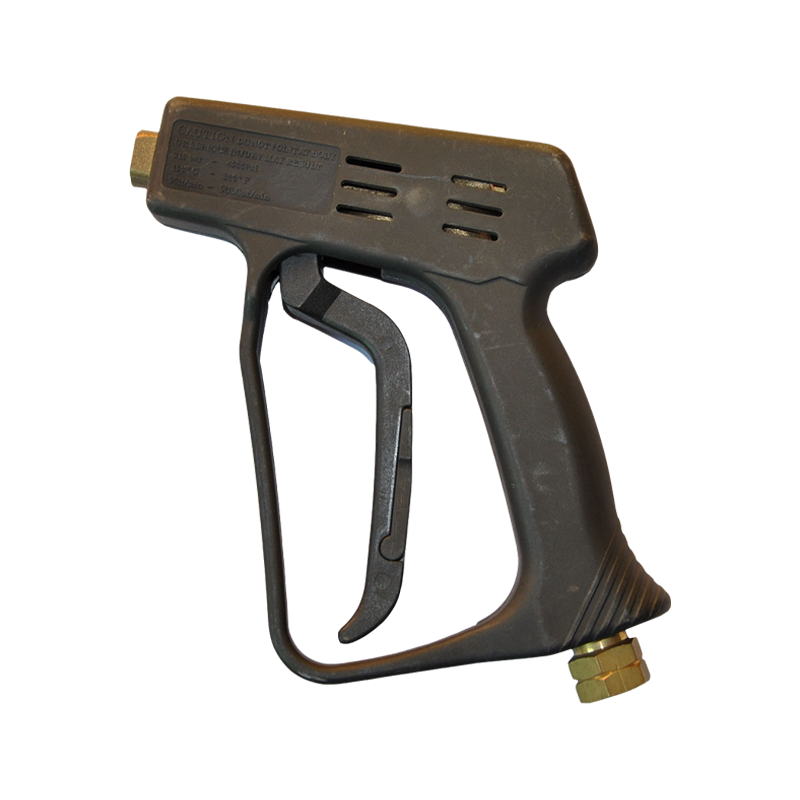
The 4500psi high pressure washing spray gun is a specialized tool designed for high-pressure liquid delivery and cleaning tasks, widely utilized in industrial cleaning, automotive maintenance, agricul...
See Details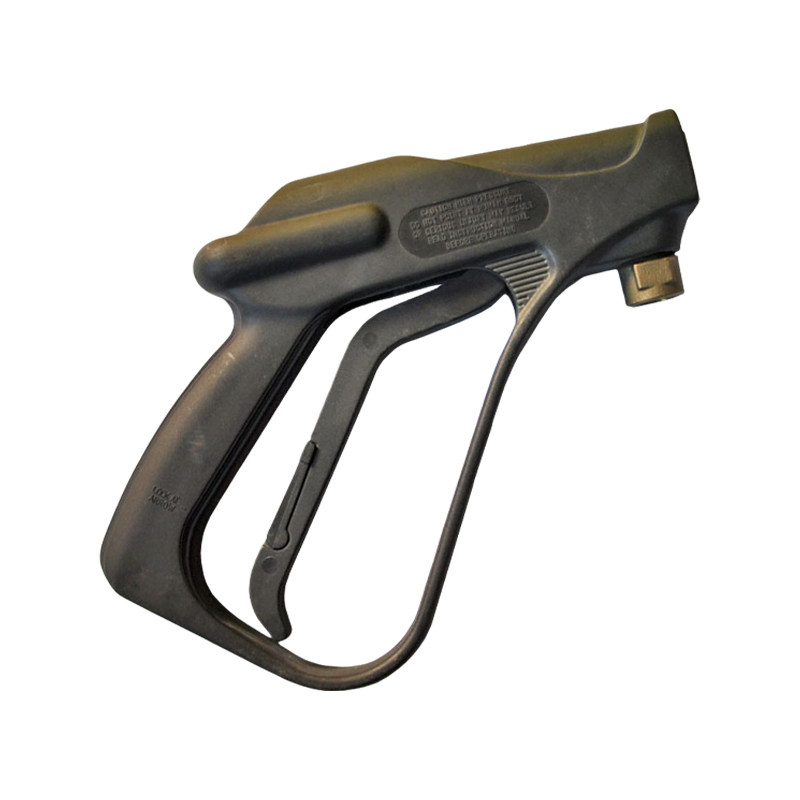
The brass outlet trigger spray gun is made of high-quality brass material and equipped with precise trigger design. Users can adjust the water flow rate and spray angle according to their needs to ach...
See Details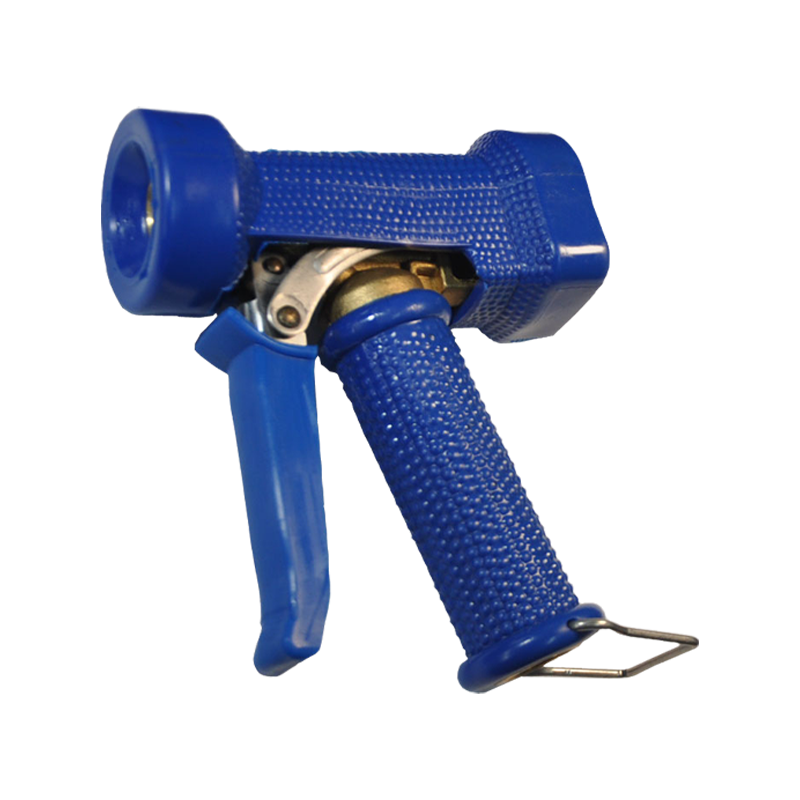
The heavy-duty brass flushing gun is specifically designed for low-pressure applications such as garden irrigation, dust suppression, and equipment cleaning. The ergonomic handle features an anti-slip...
See Details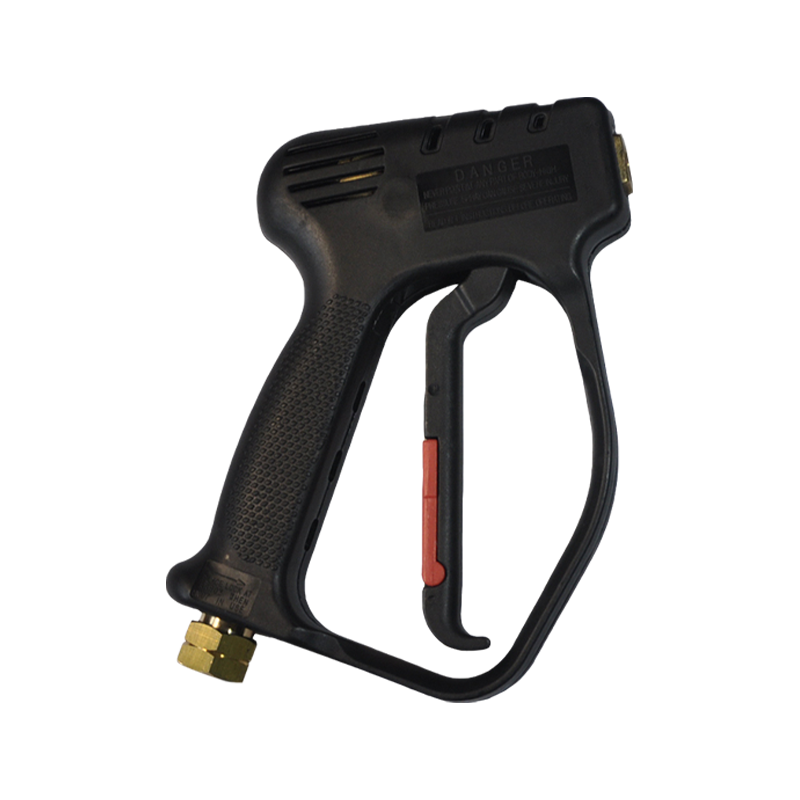
Industrial cleaning trigger spray gun is an efficient and durable cleaning equipment. Its internal sealing components are made of high-strength materials, effectively preventing leakage. Its design ca...
See Details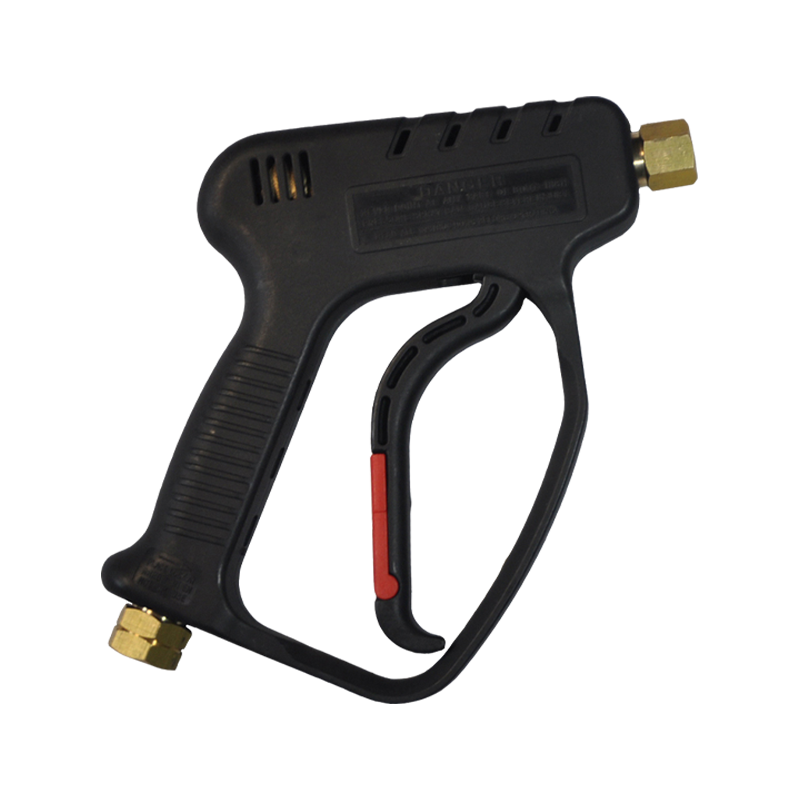
The portable handheld trigger spray gun is made of high-strength engineering plastics and/or metal materials, and the handheld part is coated with anti slip rubber to enhance the safety and comfort of...
See Details
The basic structure and working principle of the foam sprayer Foam sprayer is a device that mixes liquid diluent and air and sprays in the form of foam. It is widely used in car washing, industrial cl...
See Details
What is a high Pressure Washer Water Broom? A high Pressure Washer Water Broom is an accessory tool designed to improve floor cleaning efficiency and is usually used in conjunction with a high-pressur...
See Details
Introduction: Demands and Challenges of Modern Car Washing In modern society, cars have become an indispensable means of transportation in daily life, and almost every family has one or more cars. Wit...
See Details
1. Understand the basic structure and working principle of high-pressure cleaning spray guns The basic structure of a high-pressure cleaning gun A high-pressure cleaning gun consists of multiple parts...
See Details
 +0086-13003738672
