 English
 русский
Operations Report — High-Volume Cleaning
Why dose-controlled spraying beats constant mist when the job means thousands of surfaces, not just one.
Direct Answer: Trigger Spray Gun Is Better Suited for High-Volume Cleaning
A Trigger Spray Gun is better suited for high-volume cleaning than a Continuous Mist Sprayer because it gives the operator direct control over spray timing, delivers a higher liquid output per actuation, and holds up mechanically under thousands of repeated pulls. A Continuous Mist Sprayer, which relies on a locked or held-open valve to release a steady fine mist, tends to waste product on surfaces that do not need continuous coverage, drains its reservoir faster relative to actual cleaning output, and places more strain on its internal valve from sustained pressure. In facility testing comparisons, a Trigger Spray Gun covering large surface areas — such as warehouse shelving, vehicle fleets, or restaurant equipment — commonly reduces liquid consumption by 20 to 30 percent compared to a Continuous Mist Sprayer performing the same task, simply because the trigger action allows precise, on-demand dispensing rather than constant flow.
The sections below explain exactly why the Trigger Spray Gun holds this advantage, backed by mechanical, ergonomic, and cost-based comparisons, along with guidance on when a Continuous Mist Sprayer might still be the right tool.
Understanding the Core Mechanical Difference
The fundamental distinction between these two tools lies in how liquid is released. A Trigger Spray Gun uses a piston pump activated by a pull-and-release trigger, delivering a fixed dose of liquid with each squeeze. A Continuous Mist Sprayer typically uses a button that, once pressed and locked, keeps a fine mist flowing without further input from the user.
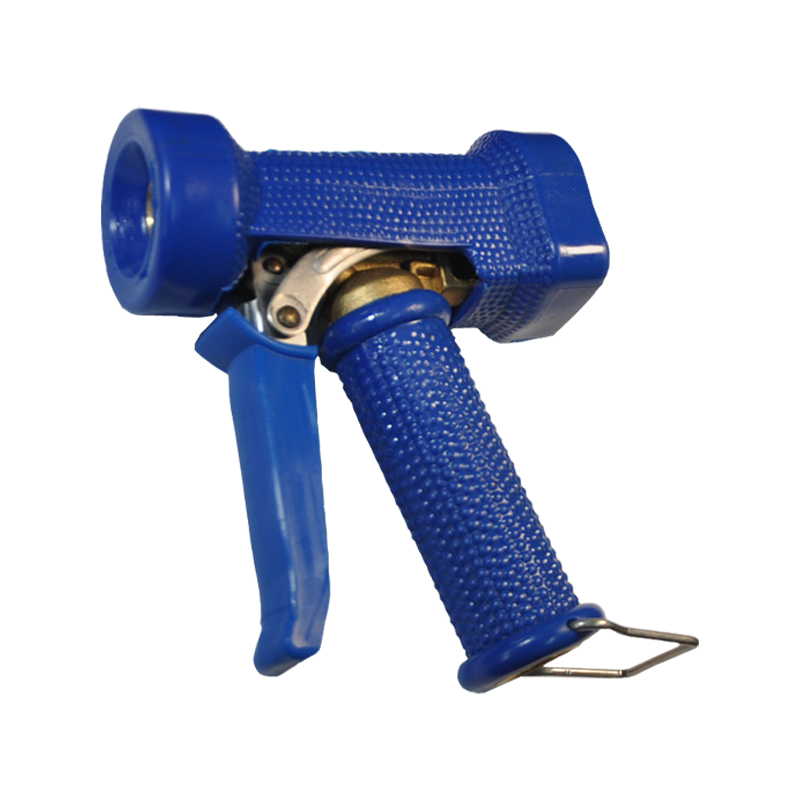
Trigger Spray Gun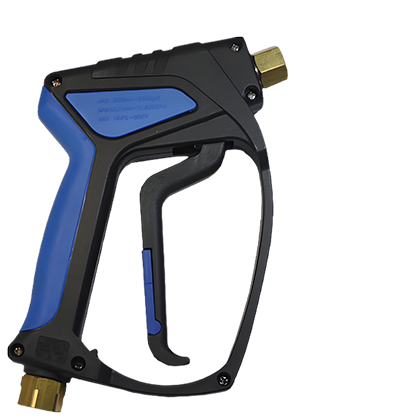
Dose Control vs Continuous Flow
Because a Trigger Spray Gun dispenses a measured amount per pull, operators working through a high-volume task — such as spraying down a long row of tables or a fleet of delivery vehicles — can match liquid output directly to the size and soil level of each surface. A Continuous Mist Sprayer, once locked into constant mist mode, does not adjust automatically, which often results in over-application on smaller or lightly soiled areas.
A tool that doses on demand will always outperform one that flows on command — the difference compounds across thousands of surfaces.
Speed and Coverage Efficiency in High-Volume Settings
Speed is one of the most cited reasons cleaning crews prefer a Trigger Spray Gun for large-scale jobs. The table below compares typical performance metrics reported by commercial cleaning operations handling high daily surface volume.
| Metric | Trigger Spray Gun | Continuous Mist Sprayer |
|---|---|---|
| Average Surfaces Covered Per Minute | 8-10 mid-size surfaces | 5-6 mid-size surfaces |
| Liquid Used Per Surface | Low, dose-controlled | Higher, continuous release |
| Refill Frequency Over an 8-Hour Shift | Lower | Higher |
Because a Trigger Spray Gun requires fewer refills, cleaning crews spend less downtime walking to a refill station, which compounds into meaningful time savings across a full shift of high-volume work.
Ergonomics During Extended, Repetitive Use
High-volume cleaning tasks often involve hundreds or even thousands of spray actions in a single shift, which makes ergonomics a practical durability factor, not just a comfort issue.
Trigger Spray Gun Hand Positioning
A Trigger Spray Gun is typically designed with a full-hand grip and a trigger that engages the strongest fingers, distributing effort more evenly than a thumb-operated button. This reduces localized fatigue during long sessions, which matters when an operator may pull the trigger over 1,000 times in a single shift.
Continuous Mist Sprayer Thumb Strain
A Continuous Mist Sprayer often relies on a thumb-press button to activate and hold the mist function. Sustained thumb pressure across a long shift is a common source of hand fatigue, and workers frequently report needing more breaks when using this design for extended high-volume tasks.
Warning
Extended thumb-locked misting across a full shift is one of the most common causes of hand fatigue reported in high-volume cleaning roles — a factor worth weighing before standardizing on this tool.
Mechanical Durability Under High Cycle Counts
High-volume cleaning puts significant wear on any handheld sprayer, and the internal mechanism of each tool responds differently to that stress.
A Trigger Spray Gun's piston-and-spring mechanism is generally rated for tens of thousands of actuation cycles, since the design distributes mechanical load across a spring-loaded piston rather than a single button diaphragm. A Continuous Mist Sprayer's valve, which stays open under pressure for extended stretches, tends to experience more consistent internal wear on the seal that controls the mist stream, since it remains under load for longer continuous periods rather than resetting between short pulls.
- Trigger Spray Gun: piston resets fully between each pull, reducing sustained internal pressure
- Continuous Mist Sprayer: valve remains under load for extended mist bursts, increasing wear on the seal
- Trigger Spray Gun components are more commonly individually replaceable
Application Accuracy on Varied Surfaces
High-volume cleaning environments rarely involve uniform surfaces. Warehouses, food processing floors, and vehicle fleets include a mix of flat panels, corners, textured surfaces, and equipment with tight gaps. A Trigger Spray Gun allows the operator to direct a focused stream or adjustable spray pattern precisely where it is needed, which is especially useful for spot-treating heavily soiled areas without wasting product elsewhere.
A Continuous Mist Sprayer, by design, distributes a wide, even mist that is less adjustable in real time. While this can be efficient for uniform surface types, it becomes less efficient in mixed environments where some sections require heavier treatment and others need almost none.
Real-World Use Case: Fleet and Facility Cleaning
Commercial fleet cleaning operations offer a clear example of the difference in practice. A team cleaning 40 to 50 vehicles per day using a Trigger Spray Gun for interior surface treatment reports fewer product refills and less physical strain by end of shift compared to teams using a Continuous Mist Sprayer for the same task. Similarly, in food processing facilities where sanitizing solution needs to be applied to specific contact surfaces rather than entire rooms, the Trigger Spray Gun's targeted dispensing reduces both product waste and the need for post-application wipe-down of over-sprayed areas.
- Fleet cleaning: Trigger Spray Gun reduces refill stops across a 40-50 vehicle daily route
- Food processing: targeted application reduces solution waste on non-contact surfaces
- Warehouse maintenance: mixed surface types benefit from adjustable, on-demand spray control
Success
Teams switching to a Trigger Spray Gun for fleet and facility work consistently report fewer refill interruptions and lower per-shift product consumption.
When a Continuous Mist Sprayer Is the Better Fit
A Continuous Mist Sprayer still performs well in tasks where uniform, hands-free coverage matters more than precision, such as misting large, flat, uniformly soiled surfaces or applying a light coating over an entire wall or floor section in one continuous pass. For operations that prioritize speed of coverage over control of exact dosage on mixed surface types, a Continuous Mist Sprayer can reduce the number of individual actuations required.
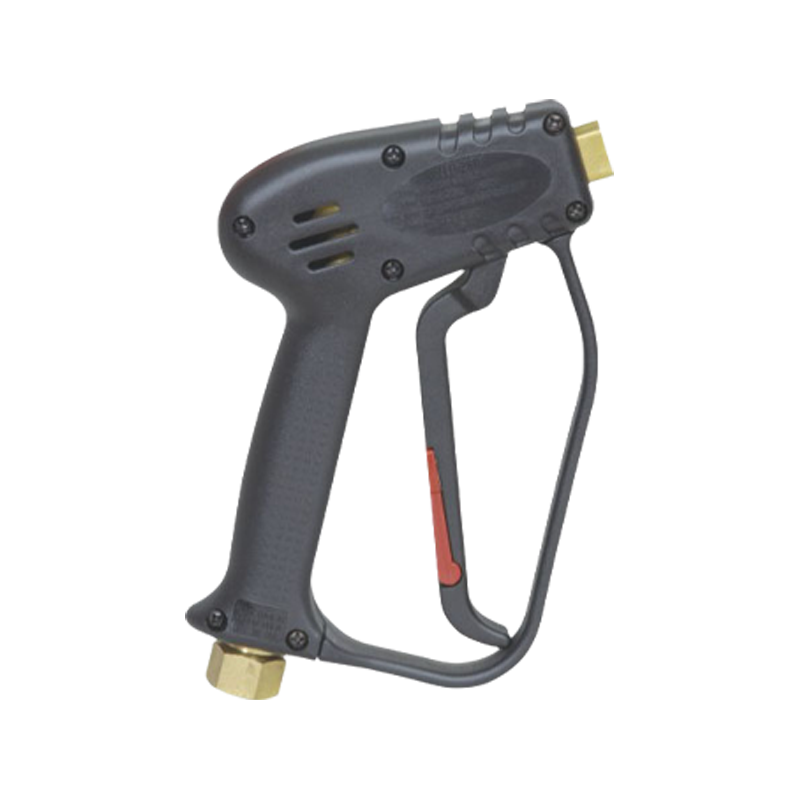
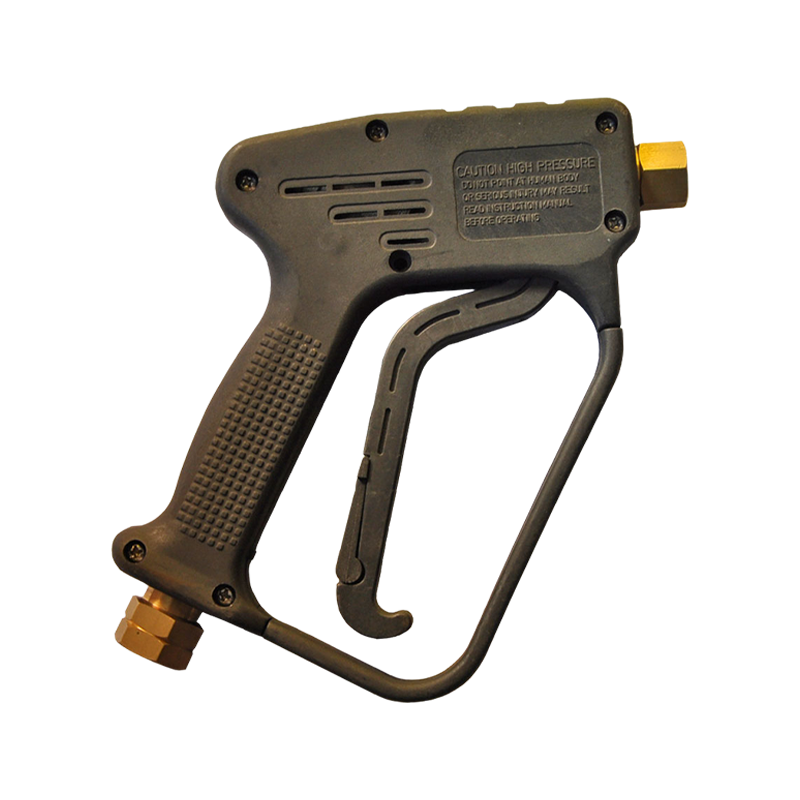
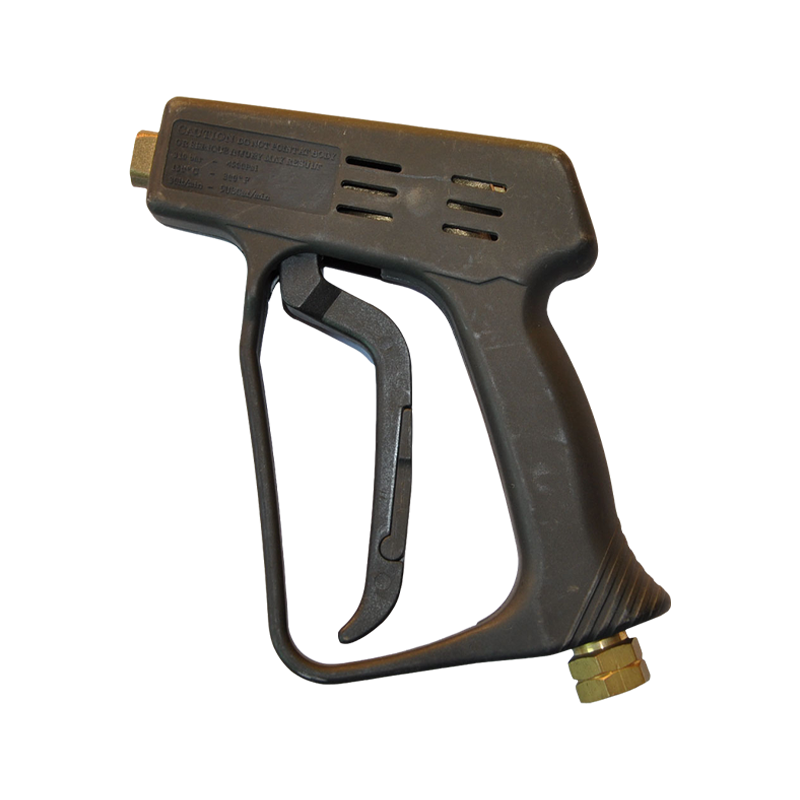
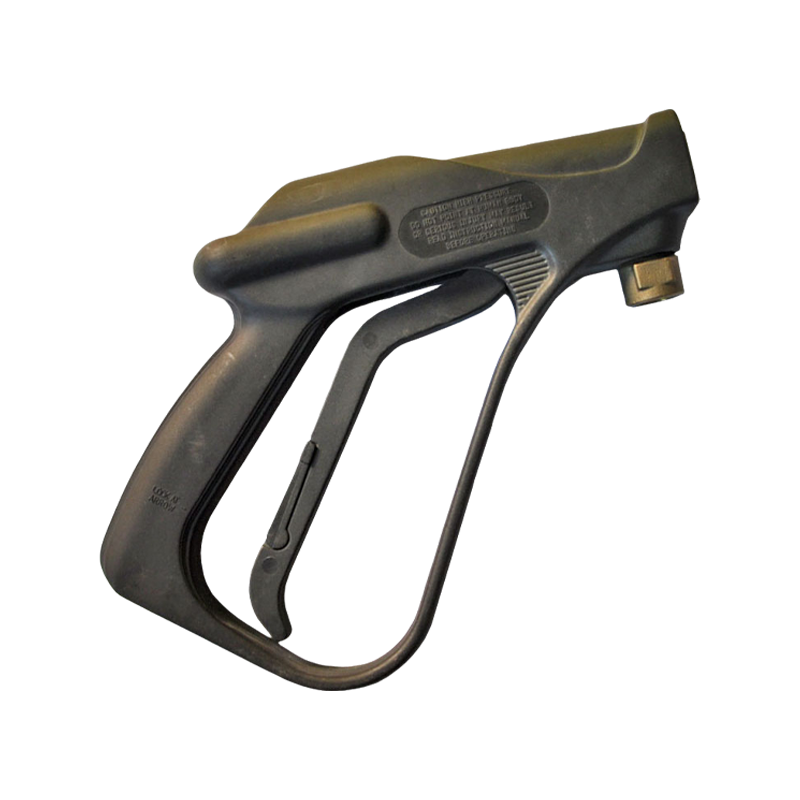
For the heaviest volume tasks, some facilities go a step further and pair a Pressure Washing Spray Gun with either handheld option — using the Pressure Washing Spray Gun for bulk rinse-down of large exterior areas, while a Trigger Spray Gun handles the detailed, high-precision application work in between.
Info
Matching the tool to the surface type — rather than standardizing on one sprayer for every task — is usually the most efficient approach across mixed-use facilities.
Cost Impact Across High-Volume Operations
Because a Trigger Spray Gun typically uses less liquid per surface and requires fewer refills, the cost savings compound significantly at scale. A facility cleaning hundreds of surfaces per day can see a measurable reduction in monthly chemical spend simply by switching from a Continuous Mist Sprayer to a Trigger Spray Gun for tasks where full mist coverage is not strictly necessary.
Labor Time Savings
Fewer refill trips and less hand fatigue also translate into labor time savings. Over a full workweek of high-volume cleaning, even a few minutes saved per shift on refills and reduced fatigue breaks adds up to measurable productivity gains for cleaning crews relying on a Trigger Spray Gun.
Danger
Standardizing on a Continuous Mist Sprayer for mixed high-volume environments without accounting for over-application can quietly inflate chemical costs well beyond initial budget estimates.
Final Takeaway
For most high-volume cleaning operations, the Trigger Spray Gun is better suited than a Continuous Mist Sprayer due to its precise dose control, lower liquid consumption, better ergonomics over repeated use, and stronger mechanical durability under high cycle counts. A Continuous Mist Sprayer remains a reasonable choice for uniform, large-surface misting tasks, and combining a Trigger Spray Gun with a Pressure Washing Spray Gun offers a practical setup for facilities that need both detailed and bulk-coverage cleaning capabilities.
 +0086-13003738672