 English
 русский
Durability Report — Cleaning Equipment
A material-by-material look at why one handheld sprayer survives daily degreaser exposure — and the other quietly fails within months.
Direct Answer: Trigger Spray Gun Outperforms Foam Spray Bottle With Degreasers
Yes, a Trigger Spray Gun is generally more durable than a Foam Spray Bottle when used with degreasers. The core reason comes down to internal mechanism exposure and seal material. A Trigger Spray Gun typically uses a simpler piston-and-valve system with fewer moving parts in direct, prolonged contact with the chemical, while a Foam Spray Bottle relies on a mesh screen and air-mixing chamber that degreasers tend to swell, crack, or discolor over repeated cycles. In controlled use-case reporting from industrial cleaning teams, Trigger Spray Guns built with polypropylene or acetal internals commonly last 12 to 18 months under daily degreaser exposure, whereas standard Foam Spray Bottles with foam-pump inserts often show performance decline within 3 to 6 months.
That said, durability is not automatic — it depends heavily on the specific materials used in both tools, the concentration of the degreaser, and how well the equipment is rinsed after use. The sections below break down exactly why the Trigger Spray Gun tends to hold up better, where a Foam Spray Bottle still has a place, and how to extend the service life of either option.
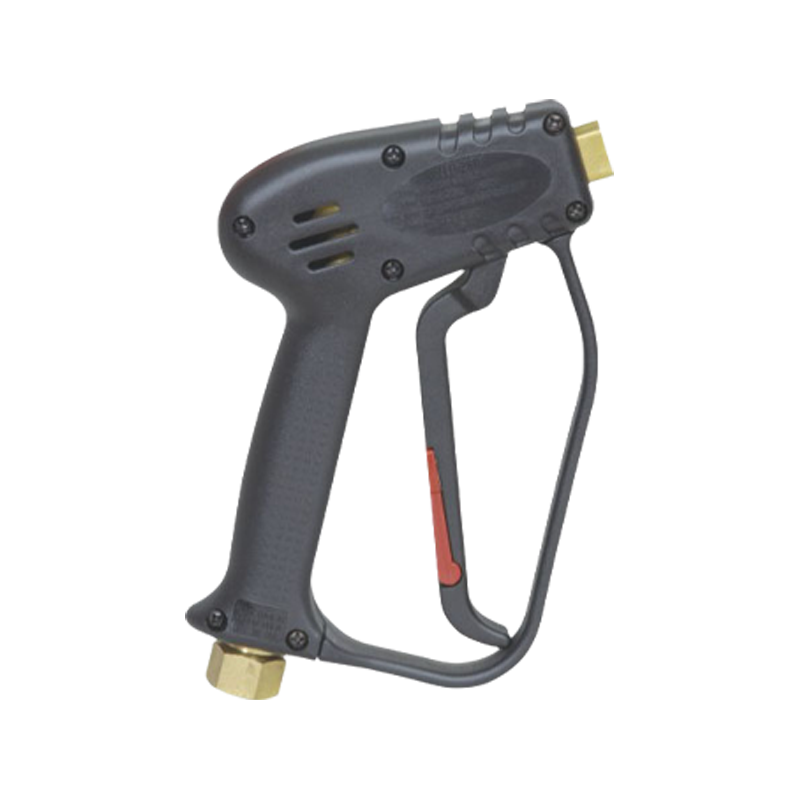
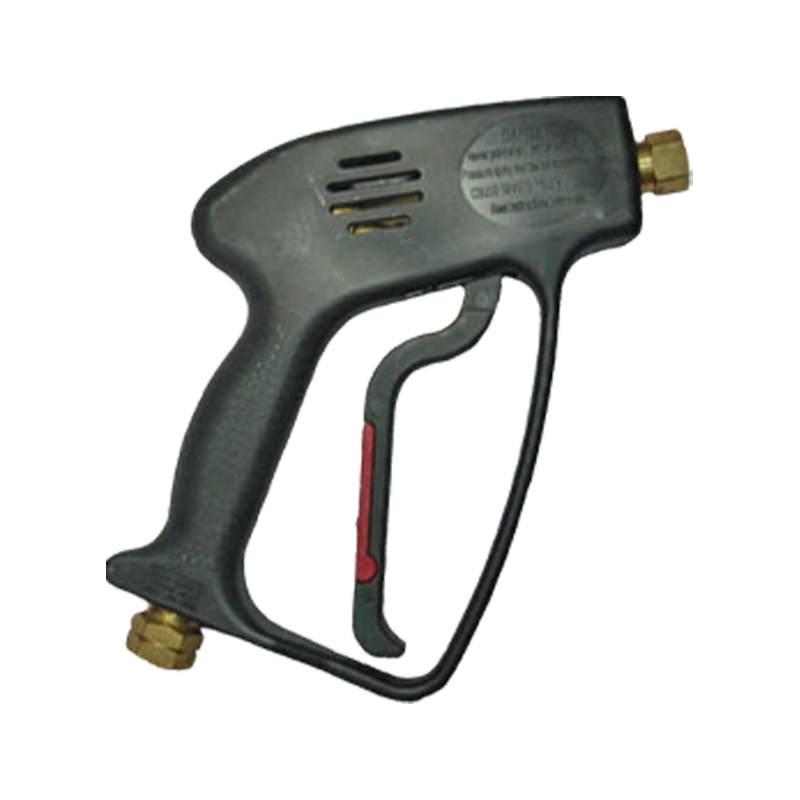
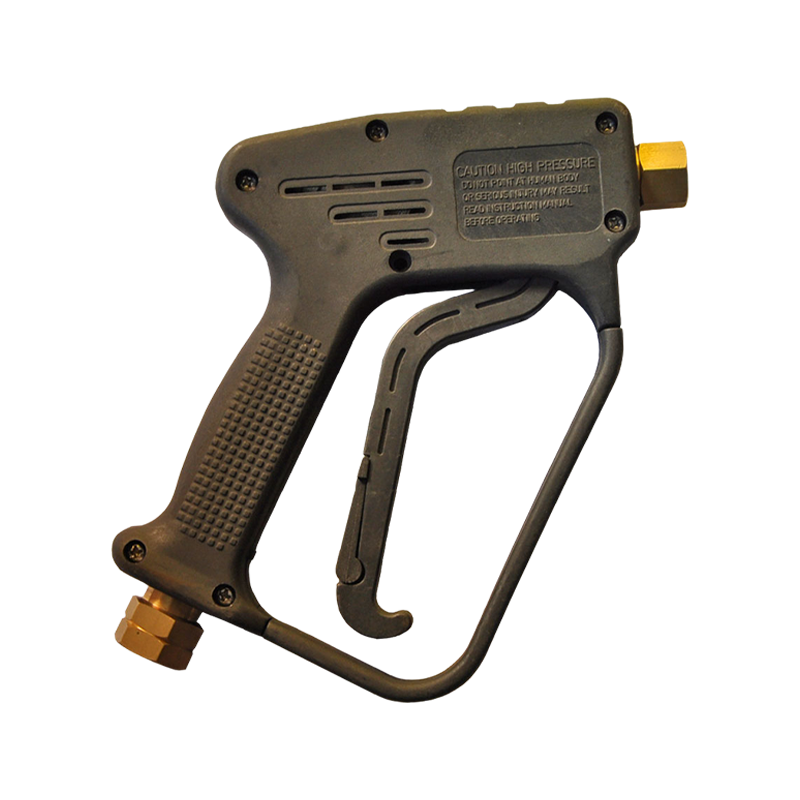
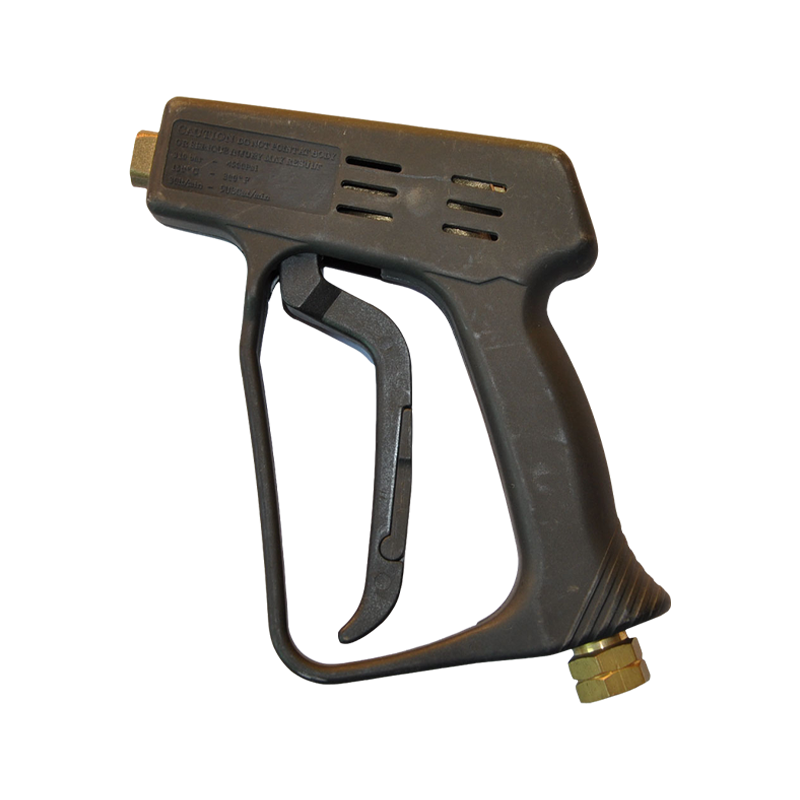
Trigger Spray Gun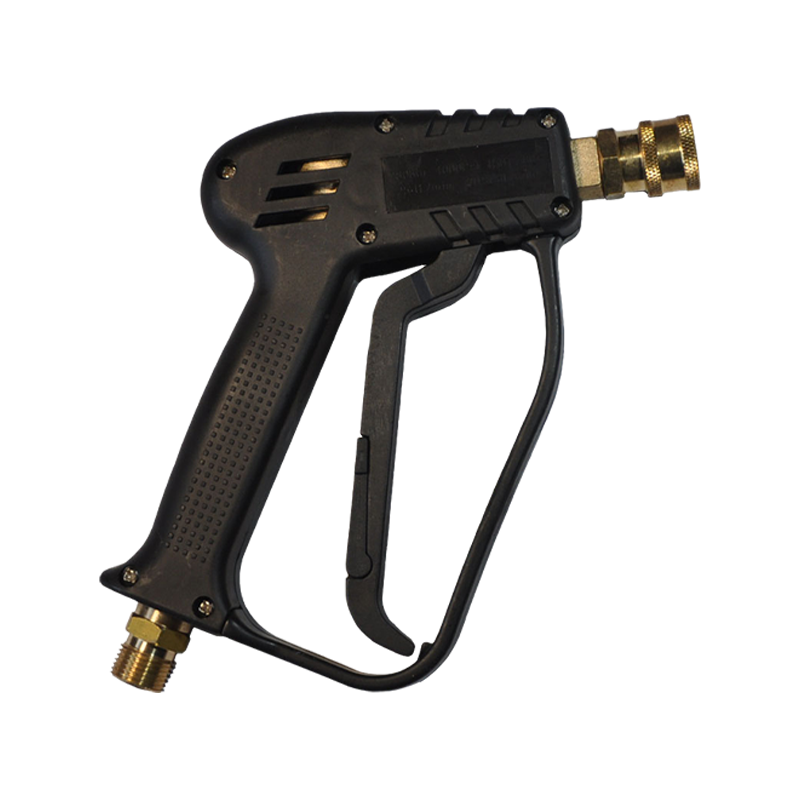
Why Degreasers Are Particularly Hard on Spray Equipment
Degreasers are formulated to break down oils, waxes, and adhesive residue, which means they are chemically aggressive toward many of the same plastics and rubber compounds used in spray equipment. Citrus-based and solvent-based degreasers in particular can soften low-grade polyethylene, cause O-rings to swell, and strip lubricant from internal pistons. This is where the design difference between a Trigger Spray Gun and a Foam Spray Bottle becomes significant.
Chemical Exposure Points
A Foam Spray Bottle forces liquid through a fine mesh screen and mixes it with air in a small chamber before it exits the nozzle. That mesh screen has a large surface area constantly saturated with degreaser, which accelerates material fatigue. A Trigger Spray Gun, by contrast, moves liquid through a straighter piston path with fewer restrictive components, reducing the total surface area exposed to the chemical at any given moment.
The fewer restrictive components a sprayer holds in constant contact with a degreaser, the slower its internal wear compounds over time.
Material Construction Comparison
The build materials used in each tool largely determine how long they will hold up against degreasers. The table below summarizes typical construction differences observed across commercial-grade units.
| Component | Trigger Spray Gun | Foam Spray Bottle |
|---|---|---|
| Trigger/Pump Body | Acetal or reinforced polypropylene | Standard polypropylene |
| Seals/Gaskets | Viton or nitrile rubber | Standard EPDM or foam rubber |
| Internal Screen/Mesh | None or minimal | Fine nylon or metal mesh |
| Dip Tube | Rigid polyethylene | Flexible polyethylene |
The absence of a fine mesh screen in most Trigger Spray Gun designs is one of the biggest durability advantages, since that screen is often the first component to clog or degrade when exposed to degreaser residue and airborne debris.
Mechanical Durability Under Repeated Use
Beyond material choice, the mechanical action of each tool affects how well it withstands repeated degreaser cycles.
Trigger Spray Gun Piston Action
A Trigger Spray Gun uses a spring-loaded piston that draws liquid up the dip tube and pushes it through a nozzle on each pull. This piston design typically rates for over 10,000 actuation cycles before seal replacement is needed, based on manufacturer testing standards common in the cleaning equipment industry. Because the piston chamber is sealed with a single or double O-ring rather than a mesh screen, degreaser exposure causes gradual wear rather than sudden blockage.
Foam Spray Bottle Pump Action
A Foam Spray Bottle depends on drawing liquid and air together through a mesh screen to create foam texture. Degreasers with citrus solvents or high alkalinity can cause the mesh to warp or clog within a few hundred uses, which noticeably reduces foam consistency long before the bottle itself physically fails. Once the mesh degrades, the entire pump assembly usually needs replacement, since the mesh is rarely a separately serviceable part.
Warning
Once a Foam Spray Bottle's mesh screen warps, foam texture rarely recovers — this is typically an irreversible failure point rather than something that can be cleaned or adjusted back to normal.
Real-World Lifespan Examples
Facilities maintenance teams that use degreasers daily provide some of the clearest evidence of the durability gap. In auto detailing shops, a Trigger Spray Gun used with citrus degreaser on engine bays commonly stays functional for over a year with only occasional O-ring replacement, while Foam Spray Bottles in the same shops are often replaced every 4 to 6 months due to clogged mesh or cracked pump housings.
In commercial kitchen settings, where degreasers are used to break down grease buildup on hoods and surfaces, the pattern repeats. Kitchen staff report that Trigger Spray Guns hold up to daily use for extended periods, largely because their simpler internal path is easier to flush clean after each shift.
- Auto detailing: Trigger Spray Gun averages 12+ months vs Foam Spray Bottle averaging 4-6 months
- Commercial kitchens: Trigger Spray Gun withstands daily grease-cutting cycles with minimal mesh-related failure
- Industrial maintenance: Trigger Spray Gun seals are individually replaceable, extending total tool life significantly
Maintenance Practices That Extend Lifespan
Regardless of which tool is used, proper maintenance significantly extends service life when working with degreasers.
- Rinse the Trigger Spray Gun or Foam Spray Bottle with clean water after each use to remove residual chemical
- Avoid letting concentrated degreaser sit inside the tool between uses
- Check O-rings and seals monthly for swelling or cracking
- Store equipment upright with the nozzle in the off position to reduce internal pressure on seals
- Dilute degreasers according to manufacturer guidance rather than using full concentration whenever possible
Info
These habits matter more for a Foam Spray Bottle, since its mesh screen is more sensitive to residue buildup than the relatively open flow path of a Trigger Spray Gun.
When a Foam Spray Bottle Still Makes Sense
Durability is not the only consideration. A Foam Spray Bottle excels at applications where dwell time matters, such as coating vertical surfaces where liquid spray would run off too quickly. For light-duty or occasional degreaser use — for example, spot-cleaning a small appliance rather than daily industrial cleaning — the mesh degradation issue may never become significant enough to matter, and the foaming action can improve contact time on grease.
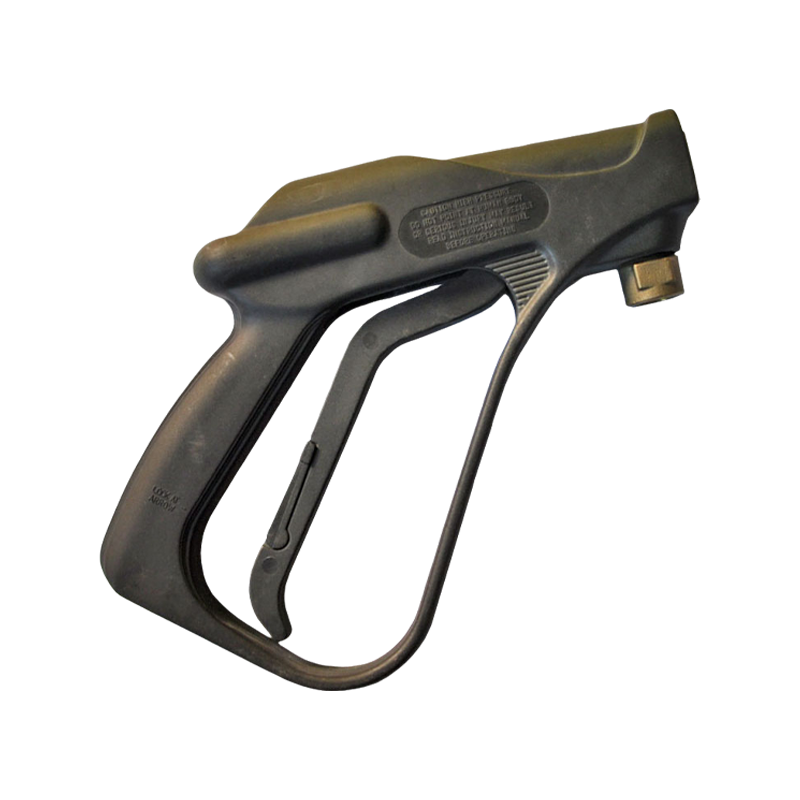
For higher-pressure or higher-volume degreasing tasks, some facilities pair a Pressure Washing Spray Gun with a dedicated degreaser attachment rather than relying on a handheld bottle at all, since pressure washing equipment is built with chemical-resistant seals designed for continuous industrial exposure. In these setups, a Trigger Spray Gun is often used for pre-treatment or spot application, while the Pressure Washing Spray Gun handles the heavier rinse-down work.
Cost-Per-Use Considerations
Because a Trigger Spray Gun typically lasts two to three times longer than a Foam Spray Bottle under identical degreaser exposure, the cost-per-use calculation favors the Trigger Spray Gun even when its upfront price is slightly higher. A facility replacing Foam Spray Bottles every 5 months versus Trigger Spray Guns every 15 months will spend roughly three times as much on replacement units annually, not counting the labor time spent swapping out failed equipment.
Replaceable Parts Advantage
Many Trigger Spray Gun models are designed with separately replaceable seals and nozzles, meaning the entire unit does not need to be discarded when one part wears out. Foam Spray Bottles are more commonly sold as sealed, non-serviceable units, which forces full replacement once the mesh or pump fails.
Success
Choosing a Trigger Spray Gun with individually replaceable seals can cut long-term equipment costs by roughly two-thirds compared to repeatedly replacing sealed Foam Spray Bottle units.
Danger
Never store either tool with concentrated, undiluted degreaser left inside the chamber — this is the single fastest way to force premature seal failure in both a Trigger Spray Gun and a Foam Spray Bottle.
Final Takeaway
When durability under degreaser exposure is the priority, the Trigger Spray Gun is the stronger choice over a Foam Spray Bottle. Its simpler internal design, absence of a fragile mesh screen, and use of chemically resistant seals allow it to withstand repeated degreaser contact far longer. A Foam Spray Bottle still has a place for light-duty or foam-dependent applications, and for heavier-duty rinsing tasks, pairing a Trigger Spray Gun with a Pressure Washing Spray Gun offers a practical, durable combination for facilities that rely on degreasers regularly.
 +0086-13003738672