
 English
 русский
Industry News
HOME / NEWS / Industry News / Quick connect fittings vs threaded fittings: which is better for pressure washers?

Fittings & Hardware — Field Guide
Which connection system actually belongs on your pressure washer — and why the answer changes depending on how hard you work the machine.
For the vast majority of pressure washer owners, quick connect fittings outperform threaded fittings in speed, convenience, and everyday usability. A well-designed set of pressure washer quick connect fittings allows an operator to swap nozzles, wands, or hose attachments in under two seconds, without tools and without the risk of cross-threading a fitting under pressure. Threaded fittings still have a place in permanent, high-pressure industrial setups where a fixed, leak-proof connection matters more than speed, but for residential cleaning, mobile detailing, and general contractor work, a reliable pressure washer quick connector system is almost always the more practical option.
This article breaks down exactly why that is the case, where threaded connections still make sense, and what to look for when choosing between the two systems, so you can match the right connection type to your specific cleaning tasks.
Threaded connections rely on matching male and female threads that are twisted together until tight, often requiring a wrench or firm hand pressure to achieve a leak-free seal. This method has been standard in plumbing and industrial hydraulics for decades because it creates a mechanically secure, vibration-resistant joint. On a pressure washer, threaded fittings are commonly found on the pump outlet, the inlet hose connection, and sometimes on commercial-grade wands designed for continuous, heavy-duty operation.
A pressure washer quick connector system uses a spring-loaded socket and a matching plug. Inserting the plug into the socket automatically engages internal ball bearings or a locking collar, sealing the connection instantly. Disconnection is just as fast: pulling back a collar or sleeve releases the plug in one motion. This design eliminates the twisting motion entirely, which is why pressure washer quick connect fittings have become the default on nearly every consumer-grade electric and gas pressure washer sold today.
pressure washer quick connector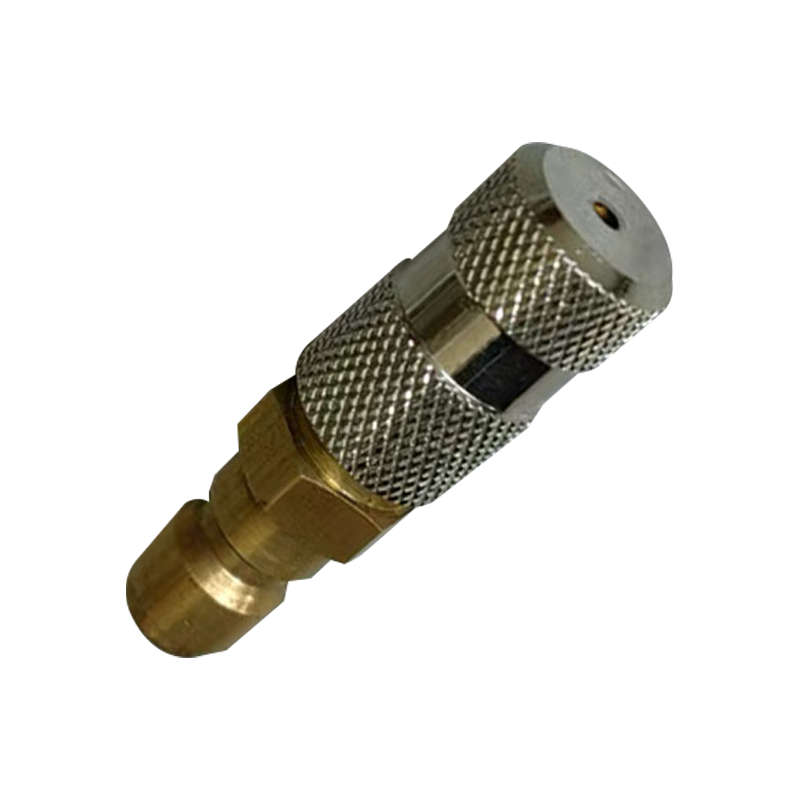
Time is the single biggest differentiator between the two systems. Switching a nozzle tip on a threaded system typically takes 15 to 30 seconds, factoring in alignment, threading, and tightening. A quick connect swap takes roughly 1 to 2 seconds. For a professional cleaning a driveway, siding, and gutters in one visit, that difference adds up to several minutes saved per job, and over a full week of bookings, it can translate into an extra job or two fitting into the schedule.
Most manufacturers now ship pressure washers with a standard quick connect nozzle kit of five color-coded tips — 0, 15, 25, 40 degrees, and a soap tip — all built around the same pressure washer quick connect fittings standard, so spray patterns can change mid-task without shutting off the machine.
Threaded connections generally tolerate higher sustained pressure and more thermal cycling than plastic or lower-grade quick connectors. In continuous industrial use, such as fleet washing stations or fixed pressure washing rigs that run for eight or more hours a day, a threaded joint is less prone to seal fatigue over time. Brass quick connect fittings narrow this gap considerably compared to plastic versions, but a properly torqued threaded fitting on a metal-bodied pump remains the most robust option for continuous industrial-grade operation above 4,000 PSI.
| Factor | Threaded Fittings | Quick Connect Fittings |
|---|---|---|
| Max sustained pressure | Typically higher, up to 5,000+ PSI | Usually rated 3,000–4,000 PSI |
| Connection speed | 15–30 seconds | 1–2 seconds |
| Tool requirement | Often needed for tight seal | None |
| Wear point | Thread stripping over repeated use | O-ring or spring fatigue over time |
A common concern with any pressure washer quick connector is whether the seal holds as reliably as a threaded joint. In practice, a quick connect fitting with a quality O-ring, particularly one made from Buna-N or Viton rubber, seals just as effectively as a threaded connection for typical residential and light commercial pressure ranges. The failure point for quick connectors is almost always the O-ring itself, which is inexpensive and easy to replace, rather than the coupling mechanism.
Threaded fittings, by contrast, rely on thread tape or a compressible washer to prevent leaks. Over-tightening can crack plastic housings, while under-tightening leads to slow drips at the joint. Neither failure mode is common with quick connectors, since the seal is factory-molded and does not depend on how much torque the user applies.
Material selection matters as much as the connection style itself. The table below outlines how common materials perform across both fitting types.
| Material | Corrosion Resistance | Best Use Case |
|---|---|---|
| Brass | High | Frequent daily use, outdoor storage |
| Stainless steel | Very high | Commercial, marine, or corrosive environments |
| Reinforced plastic | Low to moderate | Occasional homeowner use, budget kits |
Brass quick connect fittings represent the best balance of cost and durability for most buyers, resisting corrosion from detergent chemicals and outdoor moisture far better than plastic equivalents while remaining lighter and cheaper than stainless steel.
One practical drawback of quick connect systems is that sizing is not universal across all machines. The two dominant sizes are the 1/4 inch industrial profile, common on gas-powered and commercial units, and a smaller profile used on many compact electric models. Before purchasing a replacement pressure washer quick connector, it is essential to confirm the socket size matches the machine's factory outlet, since an undersized or oversized plug will not seat correctly regardless of pressure rating.
Info
Threaded fittings avoid this ambiguity somewhat because thread pitch specifications are more standardized within a given machine class, but adapters are still frequently needed when switching between different pump brands or hose diameters.
Entry-level plastic quick connect kits are typically the most affordable option, often costing less than a single premium threaded brass fitting. Upgrading to a full set of pressure washer quick connect fittings in brass or stainless steel costs more upfront but pays off over time through reduced replacement frequency. Threaded brass fittings sit in a similar price range to mid-tier quick connect kits, meaning cost alone rarely decides which system is the better fit; usage pattern and required pressure rating are the more relevant factors.
Regardless of which system is chosen, a few habits meaningfully extend the service life of any fitting.
Good Practice
Even a well-made pressure washer quick connector can fail prematurely if it is installed incorrectly. The most frequent mistake is forcing a plug into a socket that is not fully aligned, which can deform the internal ball bearings and prevent the collar from locking securely on future attempts. Users should always insert the plug straight in, listening or feeling for the audible click that confirms a complete, locked connection before applying pressure.
A second common error is neglecting the O-ring entirely during routine maintenance. Because the O-ring is small and inexpensive, it is easy to overlook, yet it is responsible for nearly all leaks in an otherwise functional quick connect system. Inspecting the O-ring for flattening, cracking, or debris buildup before each major job prevents the majority of on-site leak issues.
Warning
With threaded fittings, the most common installation mistake is over-tightening in an attempt to stop a leak that is actually caused by a missing or degraded washer. Applying excessive torque to a plastic-bodied threaded fitting frequently cracks the housing rather than improving the seal. In both connection types, using thread tape or O-ring lubricant appropriate to the material, rather than generic household products, extends service life considerably and avoids chemical degradation of the rubber components.
Danger
Mixing incompatible fitting standards is a frequent source of frustration. Attaching a generic aftermarket pressure washer quick connector to a pump outlet designed for a different socket profile may appear to fit at first glance but will not hold pressure reliably. Always verify the exact bore diameter and locking mechanism style against the original equipment specifications before purchasing replacement parts, rather than relying on visual similarity alone.
Consider a mobile car detailer who visits eight to ten locations per day. Each stop requires switching between a wide fan tip for rinsing panels, a narrow tip for stubborn grime on wheels, and a soap nozzle for pre-treatment. With pressure washer quick connect fittings, these transitions take only seconds, allowing the detailer to complete more appointments without sacrificing cleaning quality. A threaded system in this scenario would add several minutes of downtime per vehicle, quickly compounding across a full day's schedule.
Now consider a fixed industrial wash-down station used to clean heavy equipment at the end of each shift, where the same nozzle configuration runs for hours without change. In this case, a threaded connection at the pump outlet offers a slight edge in long-term seal integrity under continuous high-pressure operation, since the joint is rarely disturbed and benefits from the added mechanical security of a threaded seal.
A homeowner who uses a pressure washer a handful of times per year for driveway and deck cleaning represents the middle ground — the convenience and lower cost of entry of a basic pressure washer quick connector kit outweigh the marginal durability advantage of threaded fittings.
The right choice depends primarily on how the pressure washer is used day to day.
For the overwhelming majority of homeowners, mobile detailers, and general contractors, a quality set of pressure washer quick connect fittings in brass or stainless steel offers the best combination of speed, reliability, and reasonable durability. Reserve threaded connections for fixed industrial installations where the fitting is set once and rarely touched again.
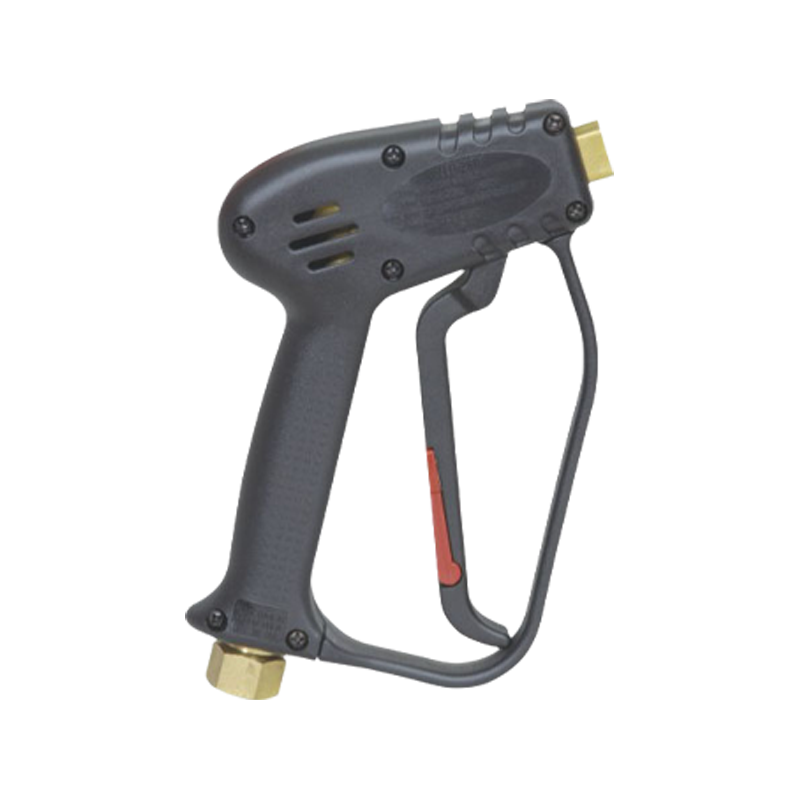
Soft grip industrial high pressure spray guns are specifically designed for high-pressure cleaning applications, utilizing water as the sole medium. These spray guns are engineered with a high-pressur...
See Details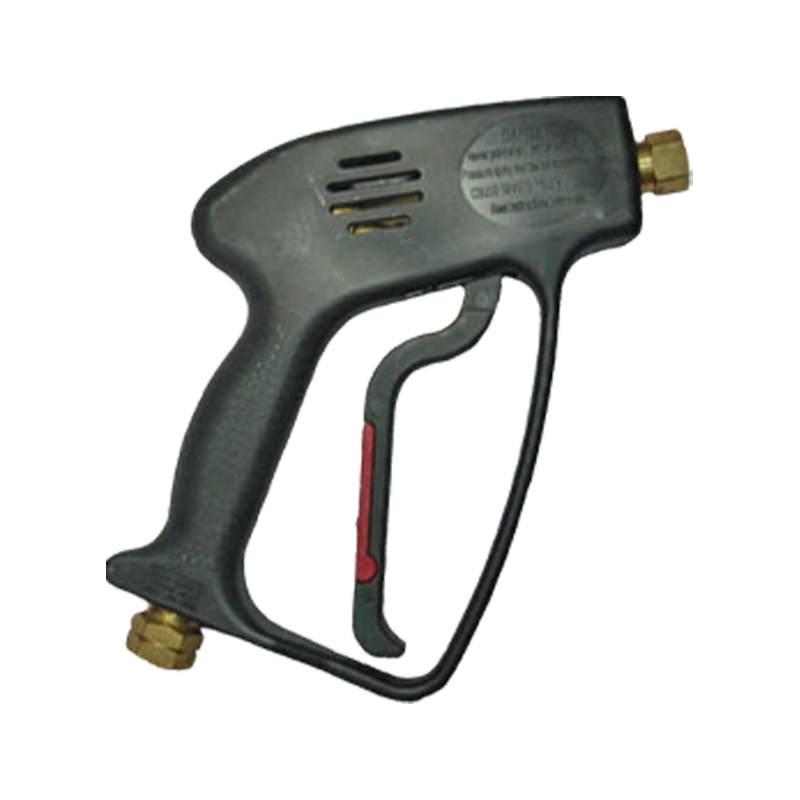
The Weep Trigger Spray Gun is an innovative water gun designed specifically to prevent high-pressure water pipes from freezing in winter. Its core feature is the small hole design at the spray gun val...
See Details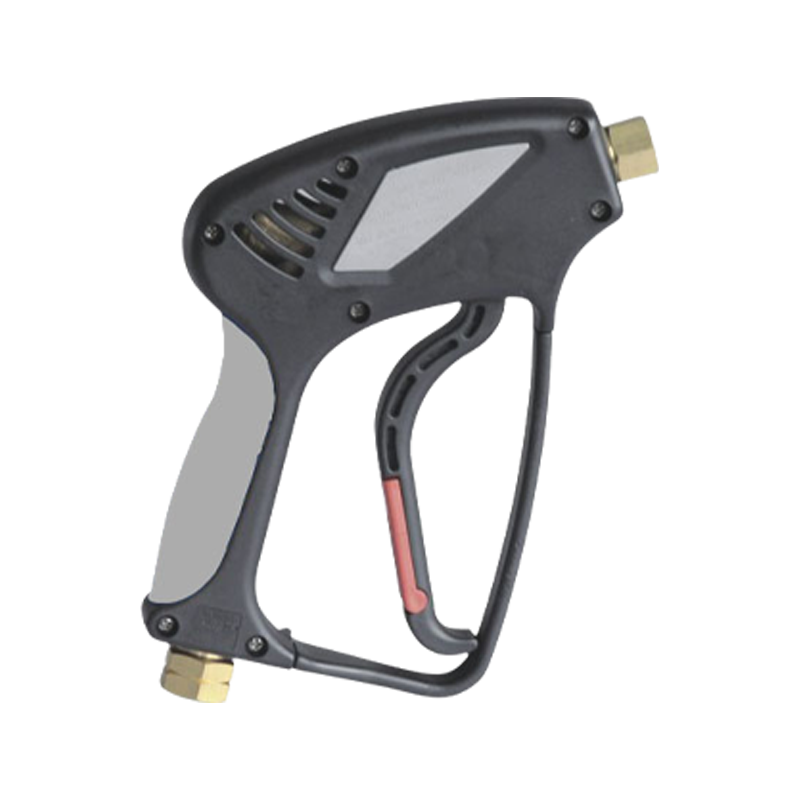
The high pressure power spray gun is an innovative cleaning equipment that integrates efficient cleaning and convenient operation. It uses high-pressure water flow to remove stubborn stains and is sui...
See Details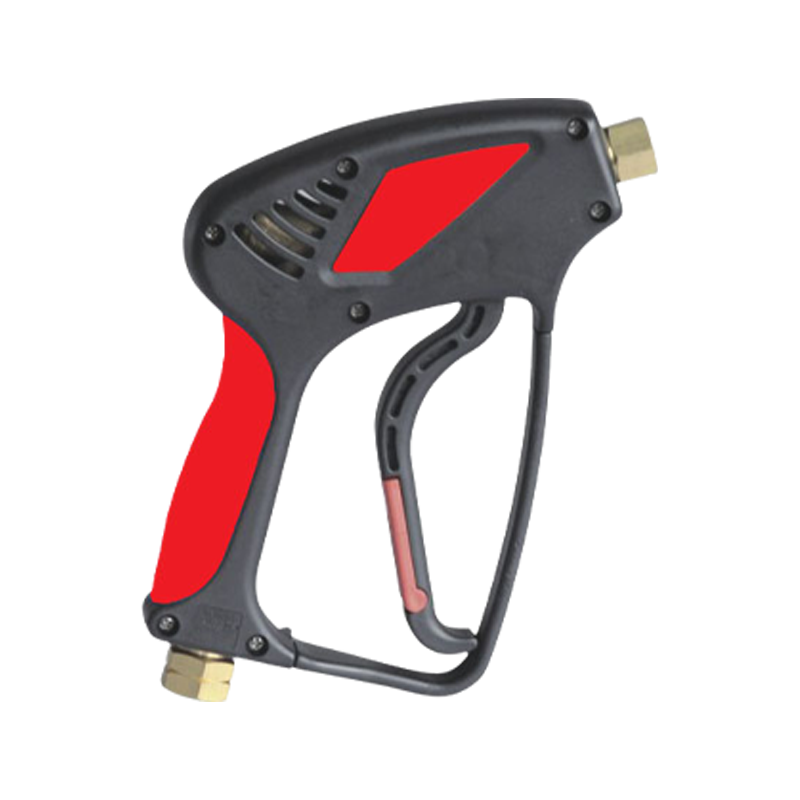
The high pressure cleaning spray gun is a standard configuration of a high pressure cleaning machine. The high-pressure water flow from the high-pressure cleaning machine passes through a high-pressur...
See Details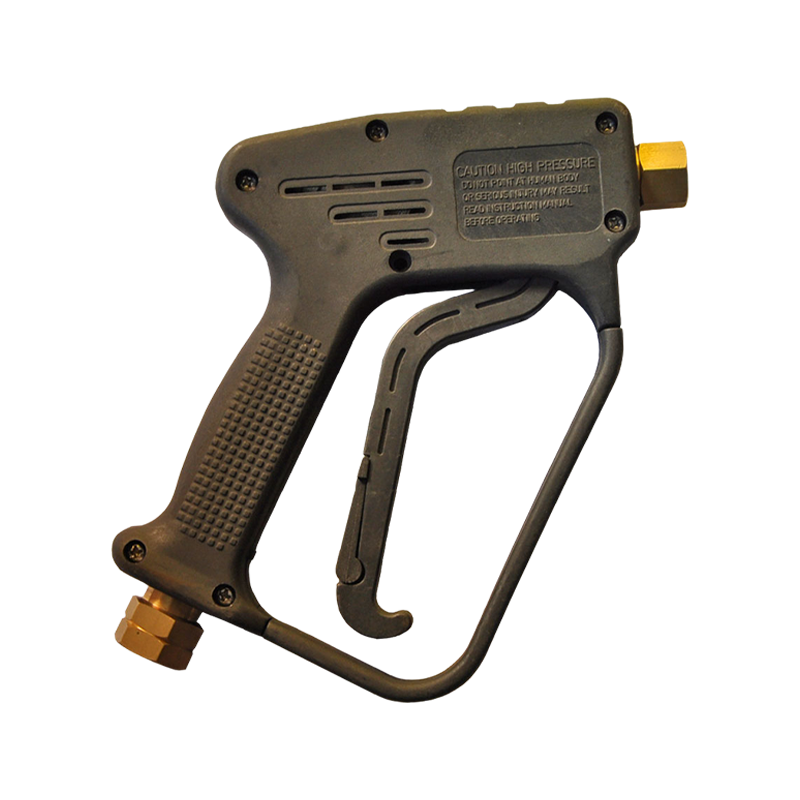
The carpet cleaning high pressure cleaning gun is a tool designed specifically for deep cleaning, using high-pressure water flow to efficiently remove dirt, dust, and stubborn stains from carpet fiber...
See Details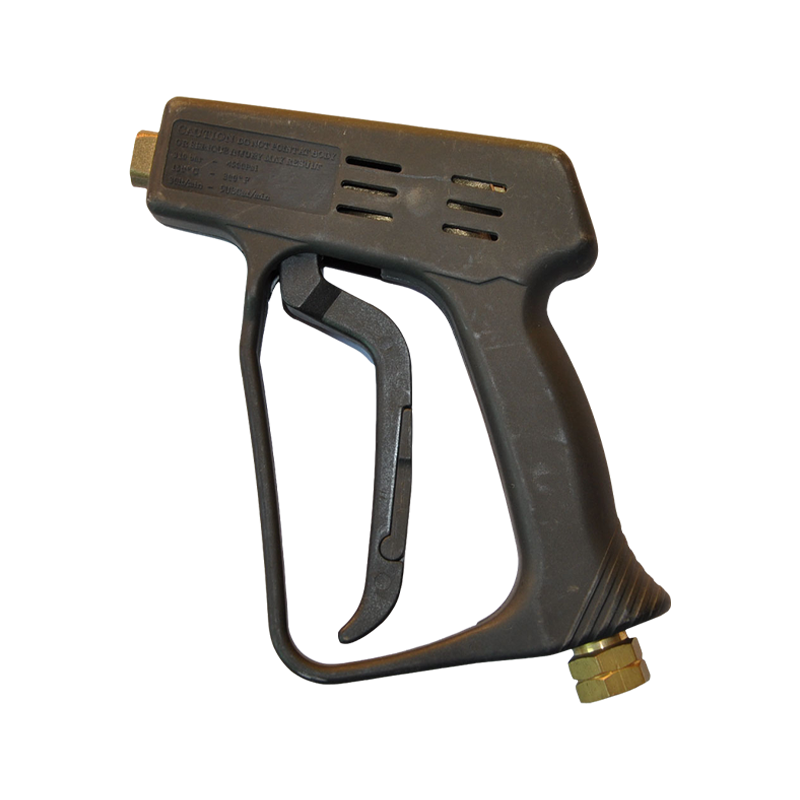
The 4500psi high pressure washing spray gun is a specialized tool designed for high-pressure liquid delivery and cleaning tasks, widely utilized in industrial cleaning, automotive maintenance, agricul...
See Details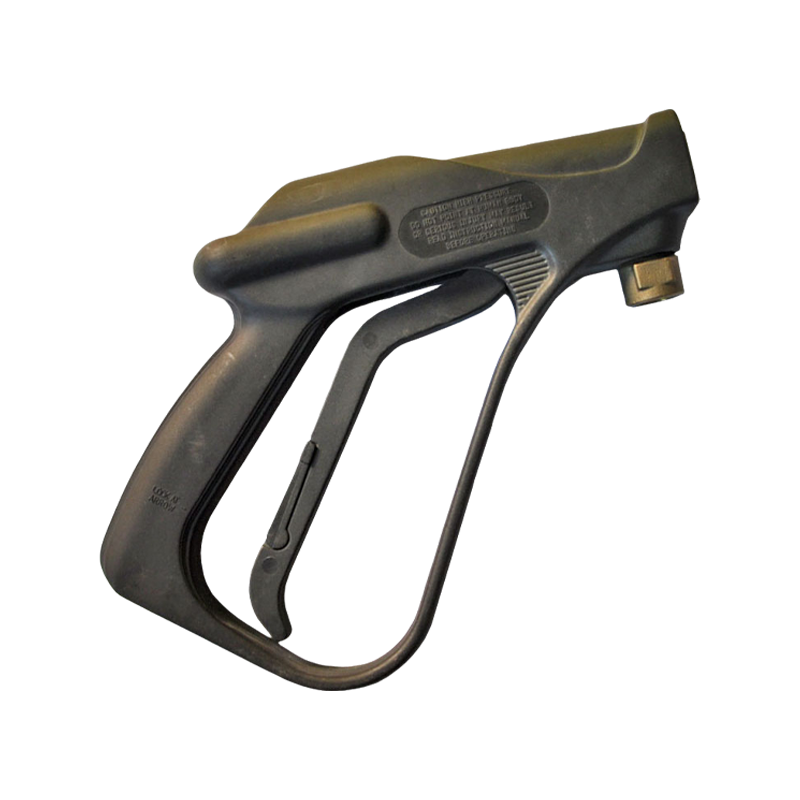
The brass outlet trigger spray gun is made of high-quality brass material and equipped with precise trigger design. Users can adjust the water flow rate and spray angle according to their needs to ach...
See Details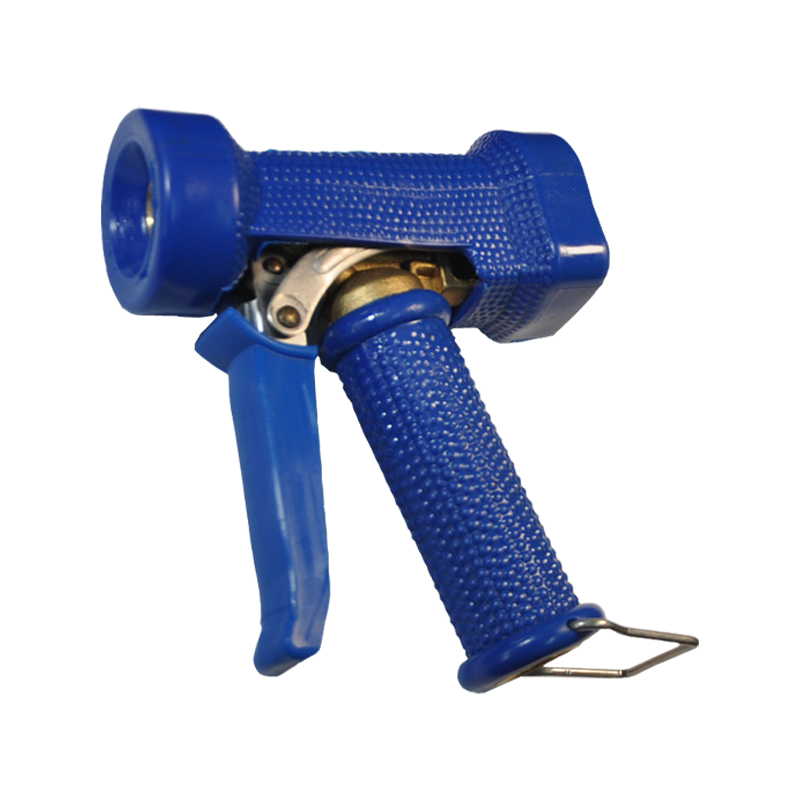
The heavy-duty brass flushing gun is specifically designed for low-pressure applications such as garden irrigation, dust suppression, and equipment cleaning. The ergonomic handle features an anti-slip...
See Details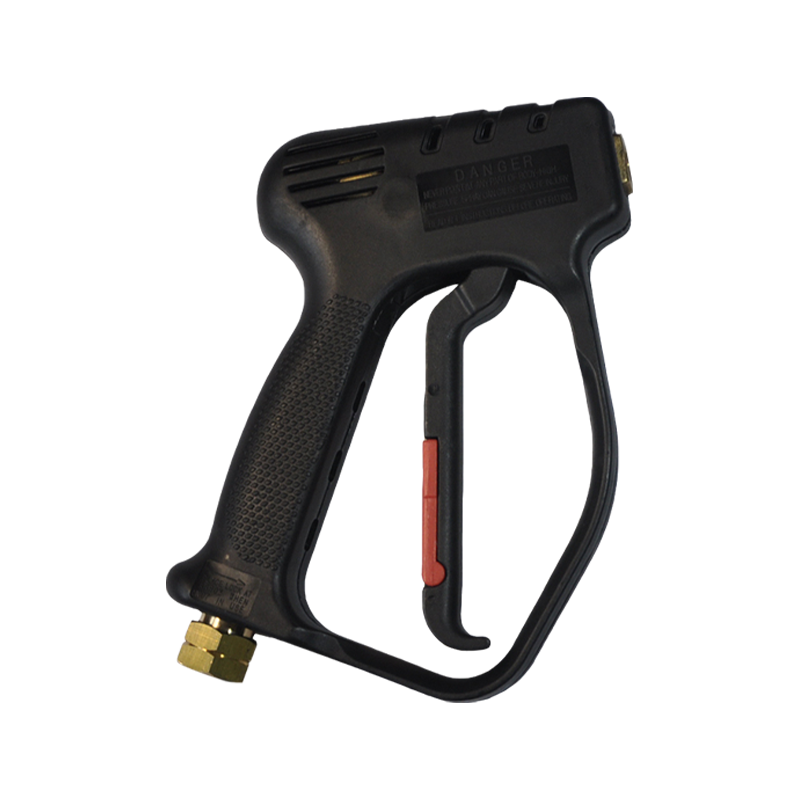
Industrial cleaning trigger spray gun is an efficient and durable cleaning equipment. Its internal sealing components are made of high-strength materials, effectively preventing leakage. Its design ca...
See Details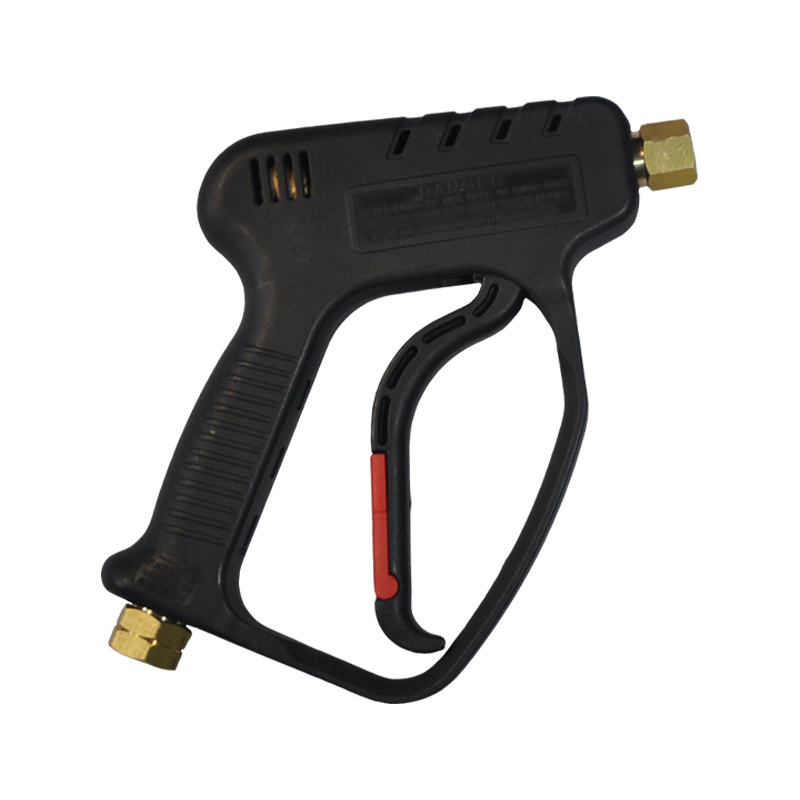
The portable handheld trigger spray gun is made of high-strength engineering plastics and/or metal materials, and the handheld part is coated with anti slip rubber to enhance the safety and comfort of...
See Details
The basic structure and working principle of the foam sprayer Foam sprayer is a device that mixes liquid diluent and air and sprays in the form of foam. It is widely used in car washing, industrial cl...
See Details
What is a high Pressure Washer Water Broom? A high Pressure Washer Water Broom is an accessory tool designed to improve floor cleaning efficiency and is usually used in conjunction with a high-pressur...
See Details
Introduction: Demands and Challenges of Modern Car Washing In modern society, cars have become an indispensable means of transportation in daily life, and almost every family has one or more cars. Wit...
See Details
1. Understand the basic structure and working principle of high-pressure cleaning spray guns The basic structure of a high-pressure cleaning gun A high-pressure cleaning gun consists of multiple parts...
See Details
 +0086-13003738672