
 English
 русский
Industry News
HOME / NEWS / Industry News / How a Pressure Washer Lance Works: Types, Materials, Fitting Standards, and Maintenance

At a car wash, the thin metal rod that sticks out of the trigger handle is the part most people never name. That rod is the pressure washer lance. It sits between the spray gun and the nozzle, carrying the full output of the machine from the gun outlet to the jet at the far end. The lance does not pressurize the water and it does not shape the spray. It does something simpler and just as important: it holds the nozzle exactly where you need it while keeping your hands safely away from the stream.
Most suppliers and cleaning technicians use "lance" and "wand" interchangeably. When the two are distinguished, "wand" usually describes a flexible or curved extension while "lance" refers to a rigid straight tube. In product catalogs, replacement part lists, and repair manuals, they mean the same component. If you are buying a spare part, you can search for either name and expect to find the same category of item.
The practical reason every pressure washer includes one is simple leverage. A typical domestic machine works at 100 to 130 bar, or roughly 1,450 to 1,900 psi. At those pressures, water leaving a 1.5 mm nozzle moves fast enough to cut through grease, mud, and even soft wood. It can also cut through skin. The lance adds distance between you and the jet, and because it is rigid, it keeps the nozzle stable while the water stream pushes backward. Without a lance, you would have to hold a high-pressure nozzle by hand and fight its recoil at arm's length.
The rod you attach to the gun is the lance, but the gun itself is a separate part. If you are replacing the complete hand-held assembly, make sure you are looking at a pressure washing spray gun that includes the barrel. Many guns are sold without the tube, and many lances are sold as standalone parts.
A lance looks like a plain pipe, but it has three functional zones that determine whether it fits your machine, whether it survives your working pressure, and whether it will leak after a season of use.
The inlet is the end that connects to the spray gun. On most European-style pressure washers, the gun outlet uses an M22 x 1.5 male thread, and the lance inlet carries a matching female swivel nut. On other machines, you will find G1/2 or G1/4 threads, and on some domestic models, a bayonet-style snap-on mount instead of a thread. At the nozzle end, the most common standard is a 1/4-inch quick-connect male plug that locks into the female coupler on the back of the nozzle.
These standards are easy to mix up because they look similar from a distance. A lance with the wrong thread will either refuse to tighten or will feel loose even after the nut bottoms out. That is why the inlet and outlet configuration matters more than length when you shop for a replacement. If you are assembling a system from separate parts, the pressure washer couplings category groups the common thread and quick-connect options so you can match the two ends before ordering.
The tube itself has to transfer the machine's full pressure without bulging, cracking, or flexing too much under load. Chromed carbon steel is the default choice for most lances because it is hard, resists minor impacts, and keeps manufacturing costs low. For routine washing and general outdoor cleaning, a straight chromed steel lance is all most machines need.
Stainless steel is the next step up. It resists corrosion from detergent residue, chemical sprays, and salt air much better than chromed steel. That makes it the preferred material for food-grade cleaning, marine environments, and any job where acid or alkaline chemicals pass through the lance. The trade-off is weight and price. Stainless is heavier and more expensive, and on a long barrel the added weight becomes noticeable by the end of a workday.
Aluminium lances are lighter but scratch more easily, and the oxide layer that protects the metal can break down under frequent abrasive contact. Plastic or composite lances appear on low-pressure machines and are acceptable below about 2,000 psi, but they are not a safe choice for commercial units that push 3,000 psi or more. The hose and fitting industry generally treats lance material as a safety-relevant decision, not a cosmetic one.
All lances do the same basic job, but the geometry changes what you can reach and how much effort the job takes. Choosing the right type is usually about the working position, not about the machine itself.
The straight fixed-length lance is the workhorse. Most domestic machines ship with a straight barrel between 18 and 24 inches long, while commercial users often prefer 30 to 36 inches for tall equipment and larger surfaces. A longer lance gives more reach but also increases the leverage that your wrist and shoulder have to resist when the gun kicks. There is no universal length; the right one is the shortest that lets you work comfortably without bending.
Telescopic lances add adjustable reach for walls, gutters, second-story siding, and roof edges. A telescopic spray gun extension rod kit lets you extend the working length without carrying a separate ladder for every pass. The trade-off is that every sliding joint is a potential leak point and a place where dirt can build up, so telescopic models need regular cleaning and inspection.
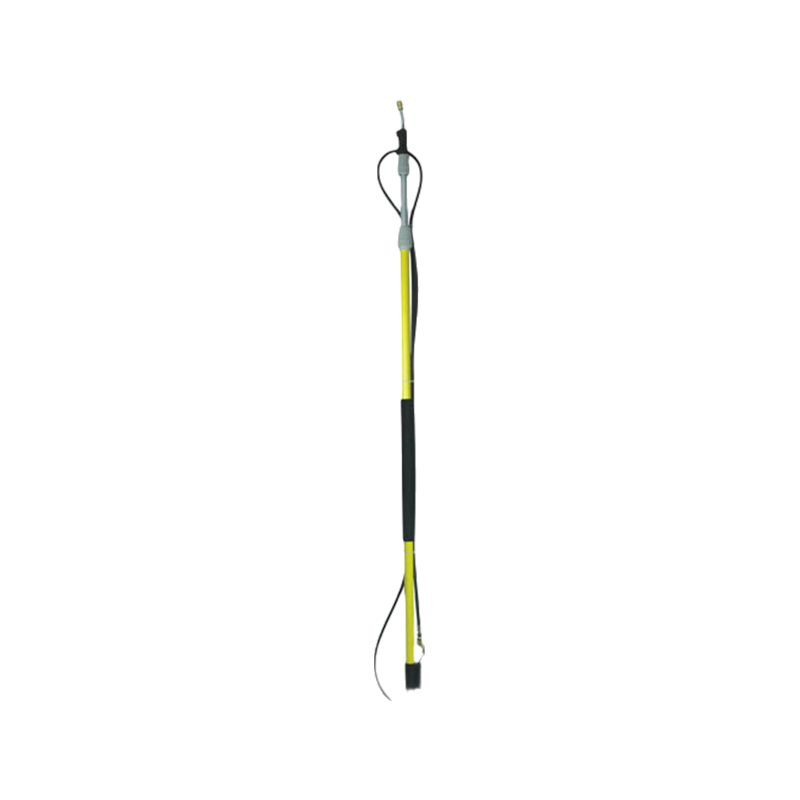 Wholesale Telescopic Spray Gun Extension Rod Kit Suppliers, Factory - Ningbo YinNingbo Yinzhou Baige Machinery Manufacturing Co., Ltd. is China wholesale Telescopic Spray Gun Extension Rod Kit factory and suppliers, d...View Product →
An angled or elbow barrel is designed for low-clearance work: under a car, around machinery skids, or inside wheel wells. The bend keeps the operator's hand in a natural position while the nozzle points where the straight tube cannot go. For that kind of job, a stainless steel elbow spray gun barrel resists the splash-back and detergent residue that collect in tight spaces.
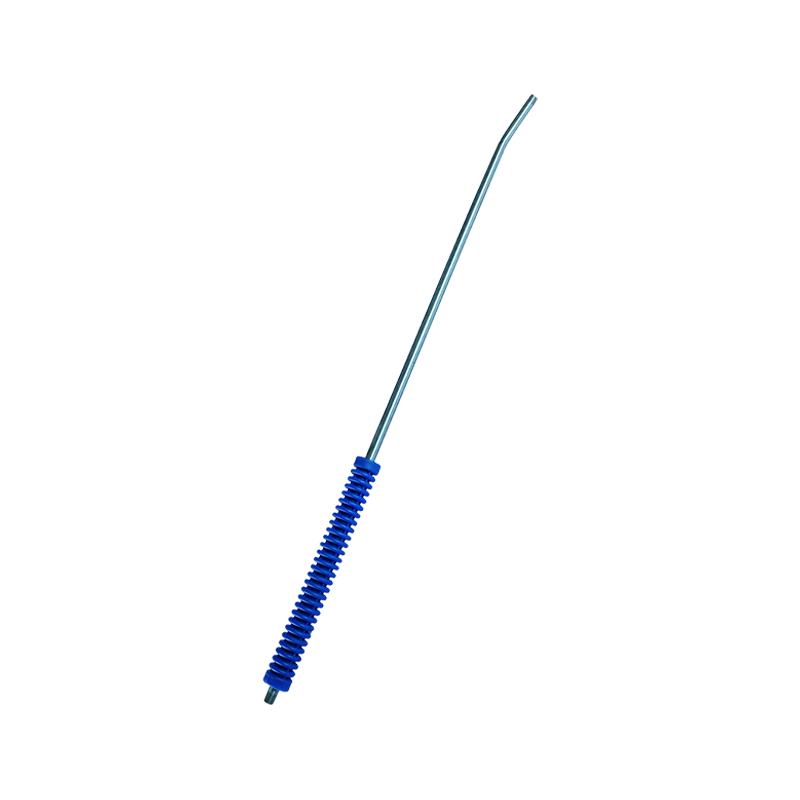 Wholesale Stainless Steel Elbow Spray Gun Barrel Suppliers, Factory - Ningbo YinNingbo Yinzhou Baige Machinery Manufacturing Co., Ltd. is China wholesale Stainless Steel Elbow Spray Gun Barrel factory and suppliers, d...View Product →
| Type | Typical Length | Best Suited For | Main Trade-off |
|---|---|---|---|
| Fixed straight lance | 18 to 36 inches | Cars, patios, walls, general washing | No reach adjustment |
| Telescopic lance | 24 to 60 inches | High gutters, roofs, upper siding | Extra joints mean more wear points |
| Angled elbow barrel | Varies with bend | Underbody, low-clearance equipment | Harder to store; limited straight reach |
| Double lance | Usually 20 to 28 inches | Wide flat surfaces, rapid rinsing | Heavier; needs two nozzles to balance |
The nozzle determines the spray pattern and the impact force; the lance simply carries that nozzle at a controlled distance. If you have used a pressure washer before, you already know the color code: red nozzles produce a 0-degree jet, yellow gives 15 degrees, green gives 25 degrees, white gives 40 degrees, and black is used for low-pressure soap application. The lance does not change any of that. Its job is to keep the nozzle steady enough that the fan pattern stays predictable.
What the lance does affect is vibration and aim. A rod with thin walls flexes more at high flow rates, and that flex makes the nozzle wander across the surface. If you are doing detail work like stripping paint from a fence line, a stiffer lance will produce a cleaner edge than a flimsy one. The nozzle also dictates how much pressure reaches the surface: a smaller orifice increases the jet velocity but reduces flow. Matching the nozzle orifice to the machine's flow rating is a separate step from choosing the lance, but both parts work as one system.
Start with the connection standard, then the pressure rating, then the material, then the length. Most fit failures happen in that first step. Check whether your gun outlet is a male thread, a female thread, or a quick-connect socket. Measure the thread diameter if you are unsure. M22 means the thread measures about 22 mm across; G1/2 measures roughly the same but uses a different thread pitch and sealing method, so the two are not interchangeable.
The second check is the pressure and flow rating. A lance rated at 3,000 psi on a 4,500 psi machine is a burst risk, not a minor inconvenience. The reverse situation works fine: a heavier lance rated above the machine output is safe, just heavier than necessary. For a typical domestic washer, a basic chromed steel barrel with an M22 inlet and a 1/4-inch quick-connect outlet will fit straight out of the box. For industrial work, look for higher pressure ratings and stainless construction.
When you are sourcing lances in bulk or need a custom bend, length, or fitting combination, the retail part you find online may not match your exact spec. That situation is common in B2B supply, which is why working directly with a pressure washer accessories manufacturer that supports OEM and ODM requests lets you specify the tube material, length, connection types, and even the surface finish before production.
A few practical buying rules reduce the risk of ordering the wrong part:
A lance is a simple part, but it lives under extreme conditions: high pressure, constant vibration, and frequent exposure to water and chemicals. Regular inspection catches a failing lance before it becomes dangerous.
Check the O-rings and seals every few weeks if you use the machine regularly. A damaged O-ring at the inlet causes a visible drip at the gun connection. Replace the ring before it fails completely; the fix costs little and takes a minute. Also inspect the thread and the quick-connect lug for corrosion or galling. If the lug will not lock into the nozzle coupler with a firm click, it is worn and should be replaced.
Look at the tube body for cracks, dents, or bulges. A small dent may look cosmetic, but it creates a stress point, and a bulge is a warning that the inner wall is failing. Chromed lances that start to rust at the ends are still usable for a while, but the corrosion will eventually undermine the connection. Stainless lances are more forgiving, but they still need re-tightening checks because thermal cycling and vibration can loosen the threaded collars over time.
Safety habits are more important than the part itself. Always release the residual pressure before unscrewing the lance from the gun; even after the trigger is released, the line can hold trapped pressure. Never point the lance at any part of your body, including when you think the pressure is off. When a nozzle clogs, do not poke at the orifice with the lance still connected, and never try to clear a blockage by pressing the trigger repeatedly against a hard surface. Shut off the machine, vent the pressure, remove the lance, and clean the nozzle separately.
Water hammer is a less obvious risk. When you release the trigger quickly, the pressure wave travels back through the lance and the hose, stressing the swivel connections and the gun seals. Lances that see thousands of trigger cycles per day will wear at the joints even if the tube itself looks fine. If a connection keeps coming loose or leaking after replacing the O-ring, the thread is probably worn out, and the lance should be retired.
A pressure washer lance is a straightforward part: a rigid tube that connects the spray gun to the nozzle, gives the operator a safe working distance, and keeps the spray pattern stable under pressure. The details that separate a good lance from a bad one are the material of the tube, the quality of the connection ends, and the rated pressure. Choose the right connection standard first, then the pressure rating, then the length and material for the job. Look after the O-rings, release pressure before disconnecting, and replace the lance when the tube bends or the threads wear out. With those basics covered, the lance is the least dramatic but one of the most reliable parts on the whole machine.
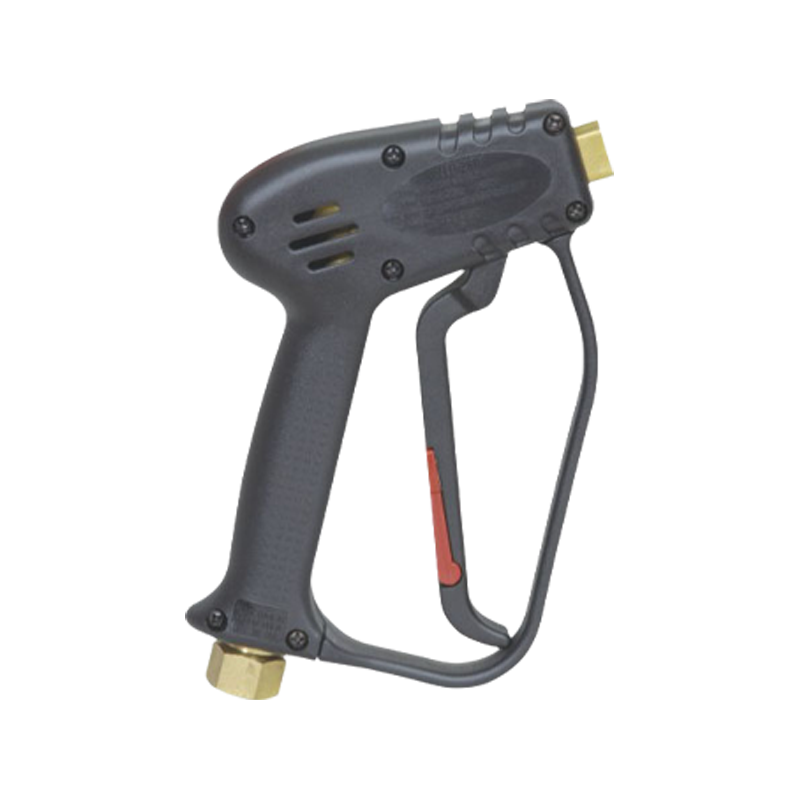
Soft grip industrial high pressure spray guns are specifically designed for high-pressure cleaning applications, utilizing water as the sole medium. These spray guns are engineered with a high-pressur...
See Details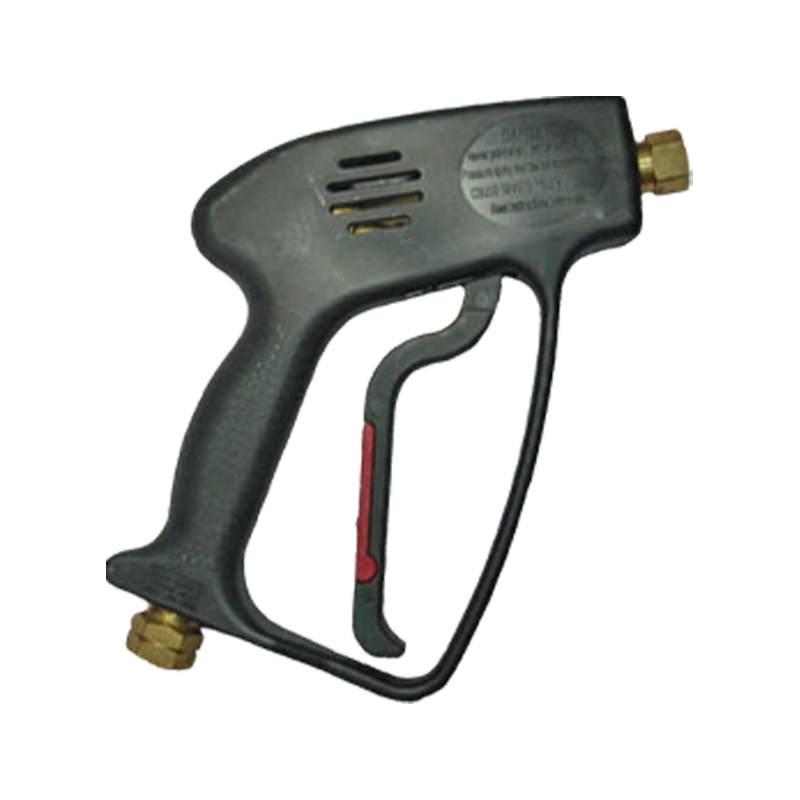
The Weep Trigger Spray Gun is an innovative water gun designed specifically to prevent high-pressure water pipes from freezing in winter. Its core feature is the small hole design at the spray gun val...
See Details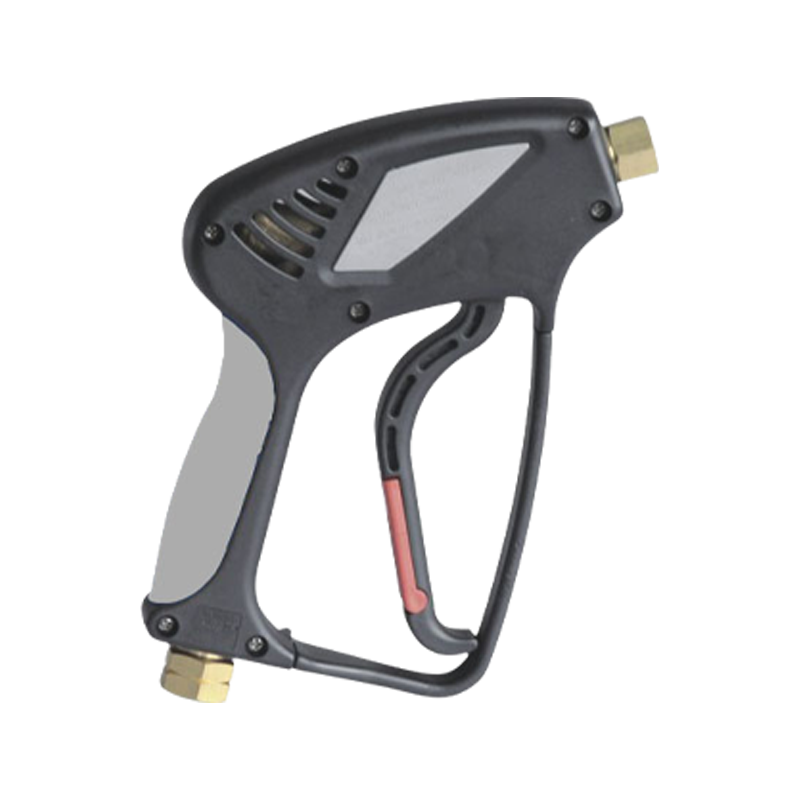
The high pressure power spray gun is an innovative cleaning equipment that integrates efficient cleaning and convenient operation. It uses high-pressure water flow to remove stubborn stains and is sui...
See Details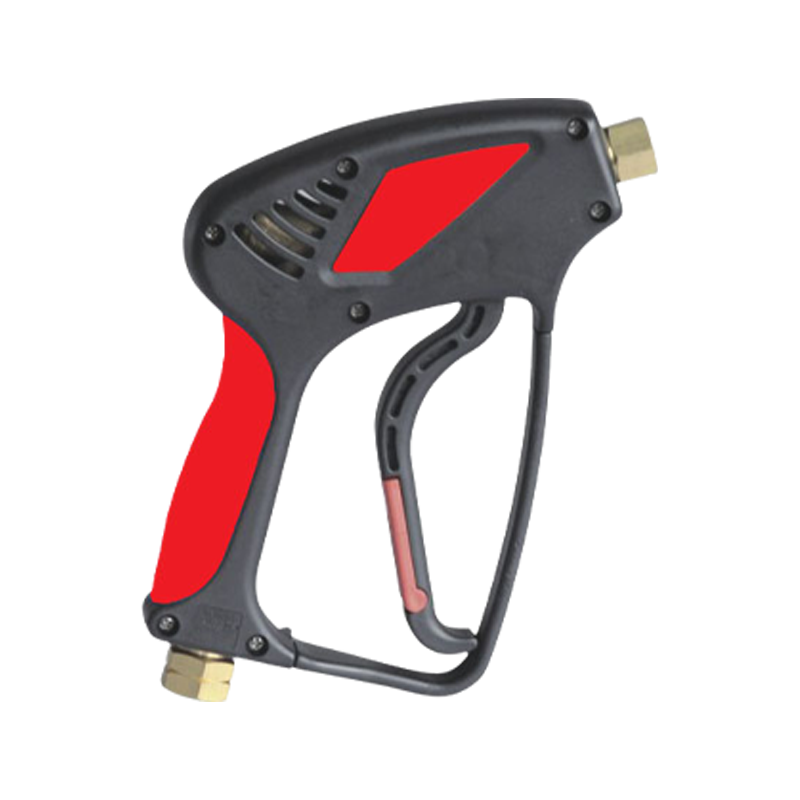
The high pressure cleaning spray gun is a standard configuration of a high pressure cleaning machine. The high-pressure water flow from the high-pressure cleaning machine passes through a high-pressur...
See Details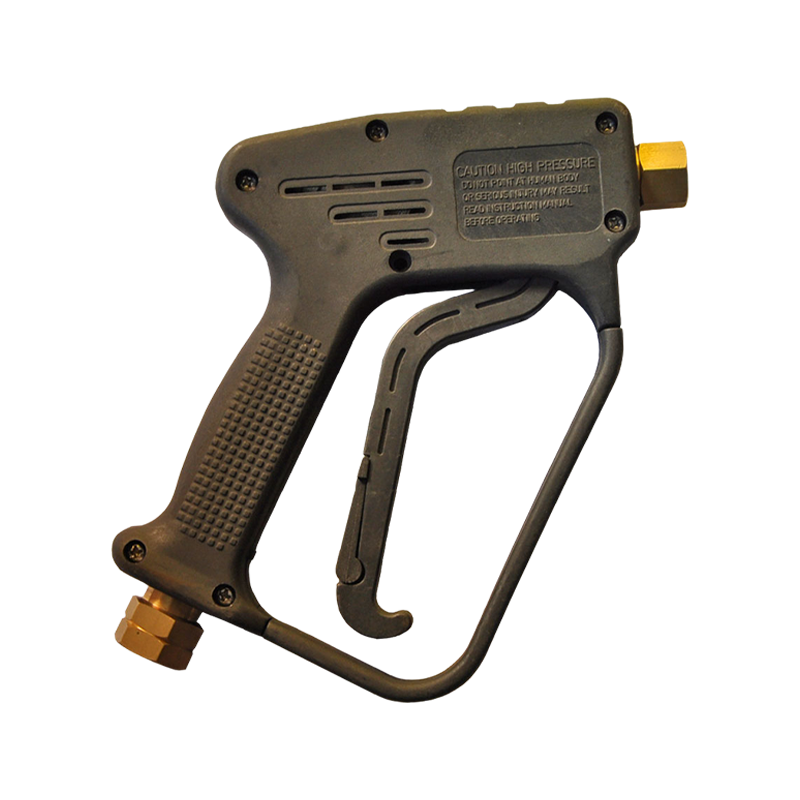
The carpet cleaning high pressure cleaning gun is a tool designed specifically for deep cleaning, using high-pressure water flow to efficiently remove dirt, dust, and stubborn stains from carpet fiber...
See Details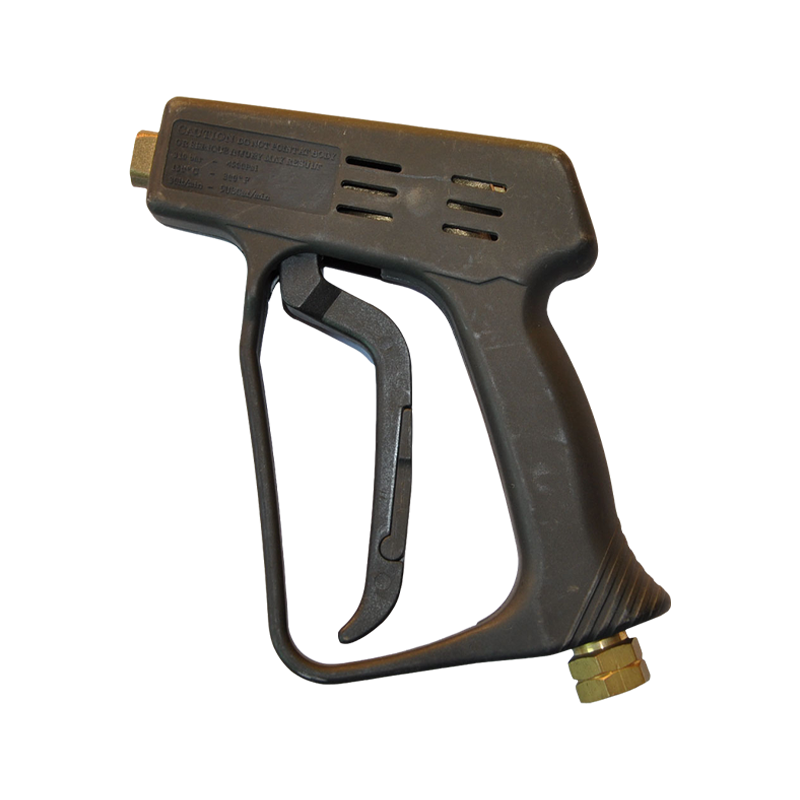
The 4500psi high pressure washing spray gun is a specialized tool designed for high-pressure liquid delivery and cleaning tasks, widely utilized in industrial cleaning, automotive maintenance, agricul...
See Details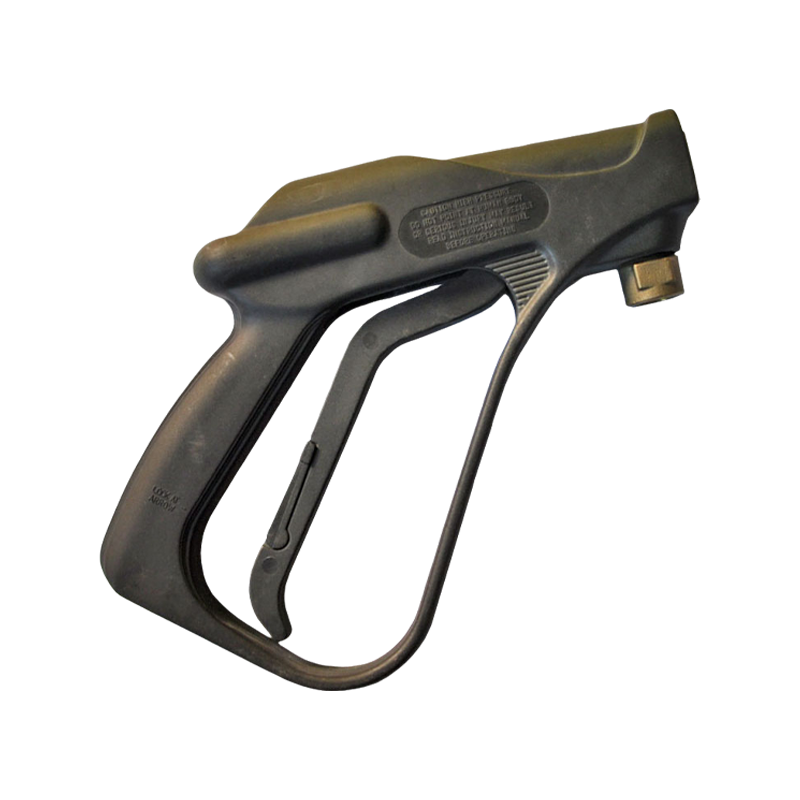
The brass outlet trigger spray gun is made of high-quality brass material and equipped with precise trigger design. Users can adjust the water flow rate and spray angle according to their needs to ach...
See Details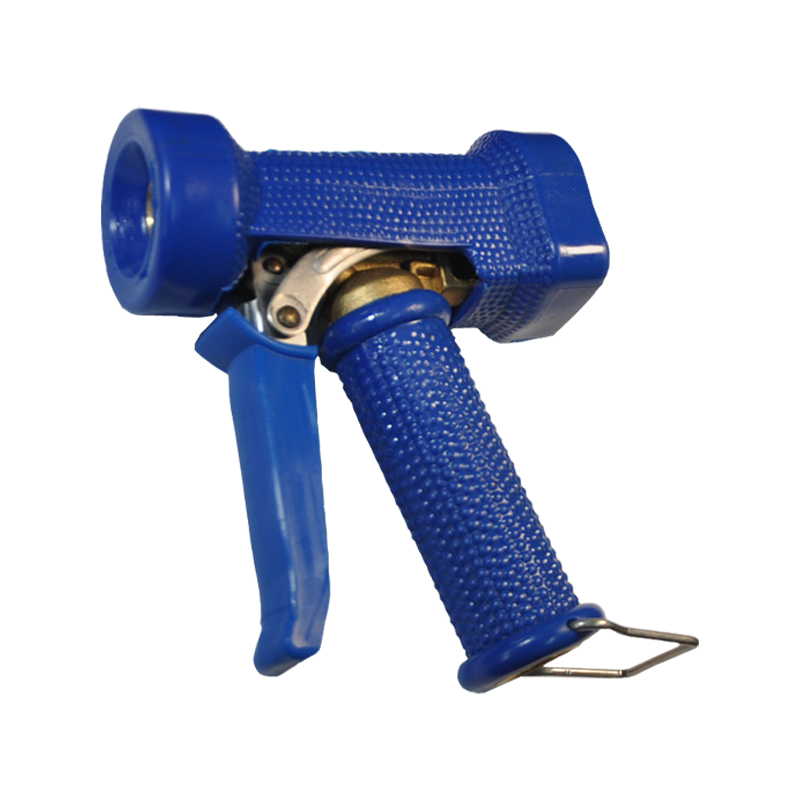
The heavy-duty brass flushing gun is specifically designed for low-pressure applications such as garden irrigation, dust suppression, and equipment cleaning. The ergonomic handle features an anti-slip...
See Details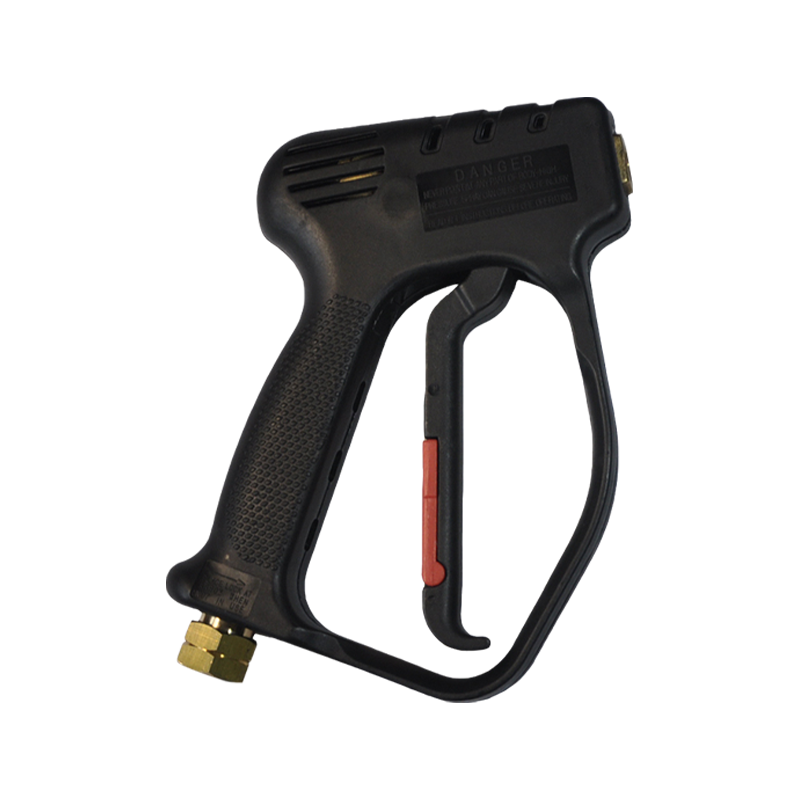
Industrial cleaning trigger spray gun is an efficient and durable cleaning equipment. Its internal sealing components are made of high-strength materials, effectively preventing leakage. Its design ca...
See Details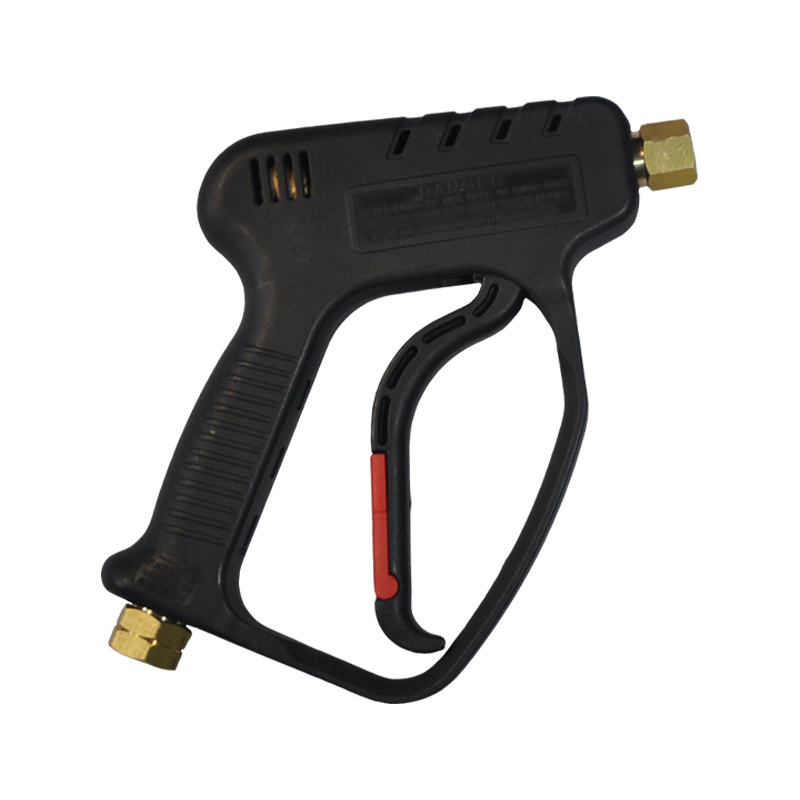
The portable handheld trigger spray gun is made of high-strength engineering plastics and/or metal materials, and the handheld part is coated with anti slip rubber to enhance the safety and comfort of...
See Details
The basic structure and working principle of the foam sprayer Foam sprayer is a device that mixes liquid diluent and air and sprays in the form of foam. It is widely used in car washing, industrial cl...
See Details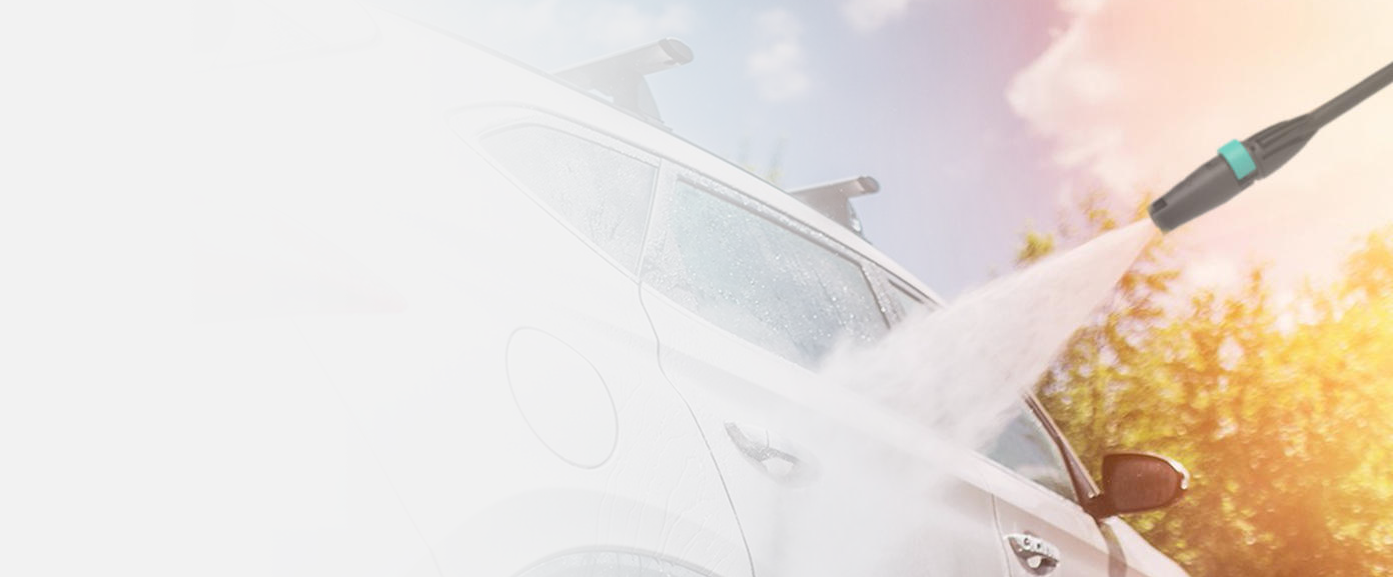
What is a high Pressure Washer Water Broom? A high Pressure Washer Water Broom is an accessory tool designed to improve floor cleaning efficiency and is usually used in conjunction with a high-pressur...
See Details
Introduction: Demands and Challenges of Modern Car Washing In modern society, cars have become an indispensable means of transportation in daily life, and almost every family has one or more cars. Wit...
See Details
1. Understand the basic structure and working principle of high-pressure cleaning spray guns The basic structure of a high-pressure cleaning gun A high-pressure cleaning gun consists of multiple parts...
See Details
 +0086-13003738672