
 English
 русский
Industry News
HOME / NEWS / Industry News / Pressure Washer Lance Types Explained: Straight, Bent, Telescopic & Dual

Straight, bent, telescopic and dual lances look interchangeable on a supplier's shelf. In the field, each geometry changes reach, spray angle and operator fatigue — and the difference shows up in invoice lines and warranty claims alike.
A service manager once returned a 4,000 psi machine, insisting the pump had lost power. The bench test disagreed. What had changed was the lance: a long extension barrel fitted for one contract had stayed on the gun for the next, leaving the jet twitchy at distance and the results patchy. The machine was fine. The tube between the trigger gun and the nozzle was simply the wrong type for the work.
The practical conclusion comes first: choose a lance by three questions — how far the operator must reach, at what angle the jet must strike, and how long the shift runs. Material, finish and connection standards follow from those answers, never the other way round. This guide walks through the lance types that matter across domestic, commercial and industrial fleets, where each earns its keep, and what a buyer should confirm before ordering in volume.
A lance is the pressure-bearing tube between the trigger gun and the nozzle tip. It carries the full system pressure — anywhere from roughly 1,500 to 5,000 psi in commercial machines — while holding the jet far enough from the operator's hands to work safely and precisely. The inlet end screws or snaps onto the gun outlet; the outlet end is almost universally a 1/4-inch quick-connect socket that grips a colour-coded nozzle tip.
Because the lance sets the distance and geometry between hand and jet, its type governs aim, leverage and control. A short straight tube gives immediacy on open surfaces. A bent neck reaches wheel arches without contorting the wrist. A telescopic barrel brings a gutter line within reach without scaffolding.
The nozzle decides what the water does. The lance decides whether anyone can hold that nozzle steady, at the right angle, for a full shift.
Component makers organise their pressure washer lance range around a handful of geometries proven in car wash bays, farm yards and food plants. Four of them cover the overwhelming majority of orders.
Typical lengths run from about 500 mm for detail and vehicle work to 1,000 mm or more for wash bays and ground work, where extra standoff keeps splash and grit away from the operator. Straight tubes suit flat, open tasks: driveways, machinery skins, boat hulls, ground-level facades. There is nothing to adjust and little to fail, which is exactly why fleets standardise on them and buy replacements by the pallet.
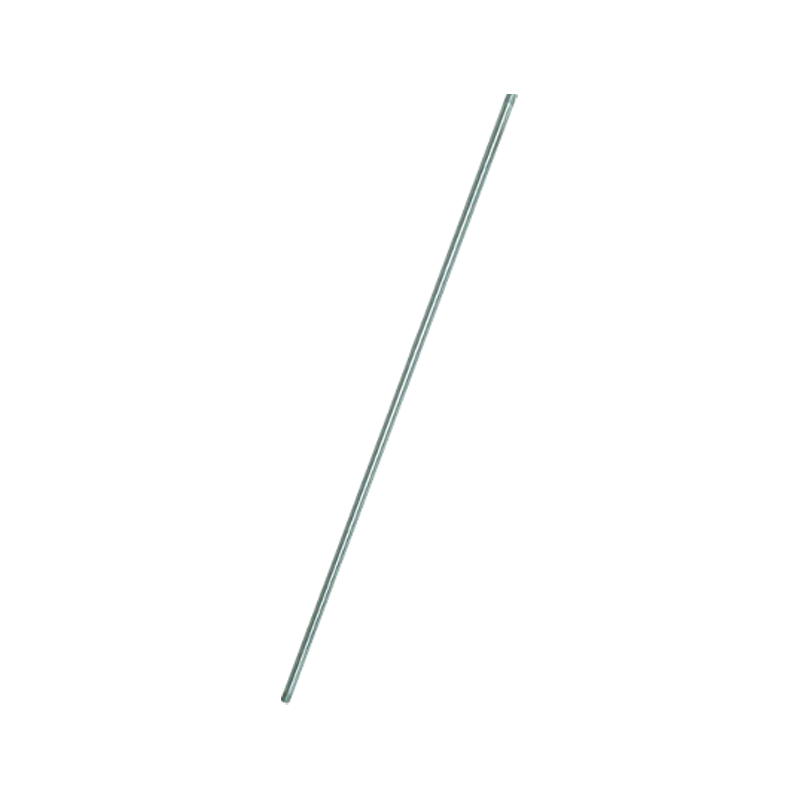 Stainless Steel Straight Spray Gun TubeA fixed-length stainless steel straight tube guides high-pressure flow to the nozzle with polished internals for smooth delivery. Shown here as the simple, durable option fleets favor for flat, open tasks like driveways, hulls and machinery surfaces where little can fail.View Product →
A bent lance carries a 15° to 30° elbow near the outlet, letting the jet strike a surface at an angle while the operator's wrist stays neutral. Car wash bays rely on them for wheels, wheel arches and lower panels; grounds crews use them for the shadow line under chassis rails and the inside faces of fencing. The bend trades a little raw reach for a large gain in access and comfort, and it keeps hands well back from tight, splashy corners.
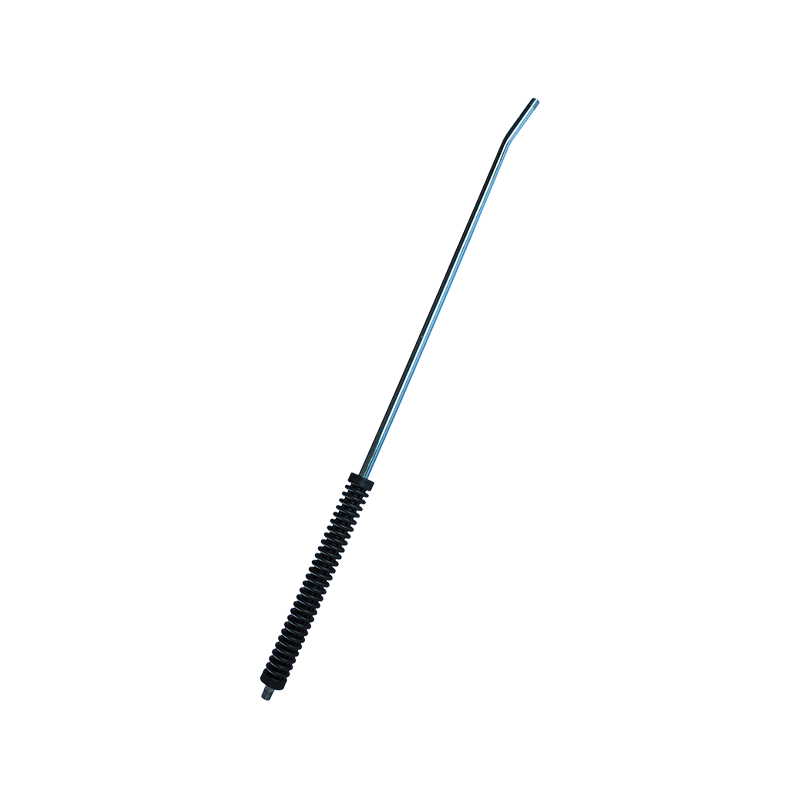 Solid Handle Spray Gun Barrel With ElbowThis bent lance pairs a solid handle with a 15° to 30° elbow, rated up to 5000 PSI. It follows the discussion of angled-jet work, making it easier to reach wheels, wheel arches and fencing while keeping the wrist neutral and hands away from splash.View Product →
Telescopic lances extend in two or three stages, commonly reaching three to seven metres, which brings gutters, soffits, second-storey cladding and the sides of trucks and trailers into range without a ladder. The trade-offs are honest ones: more weight at full extension, some flex in the barrel, and a harness for anything beyond short bursts. For contract cleaners, one telescopic wand routinely replaces a ladder, a spotter and twenty minutes of setup per job.
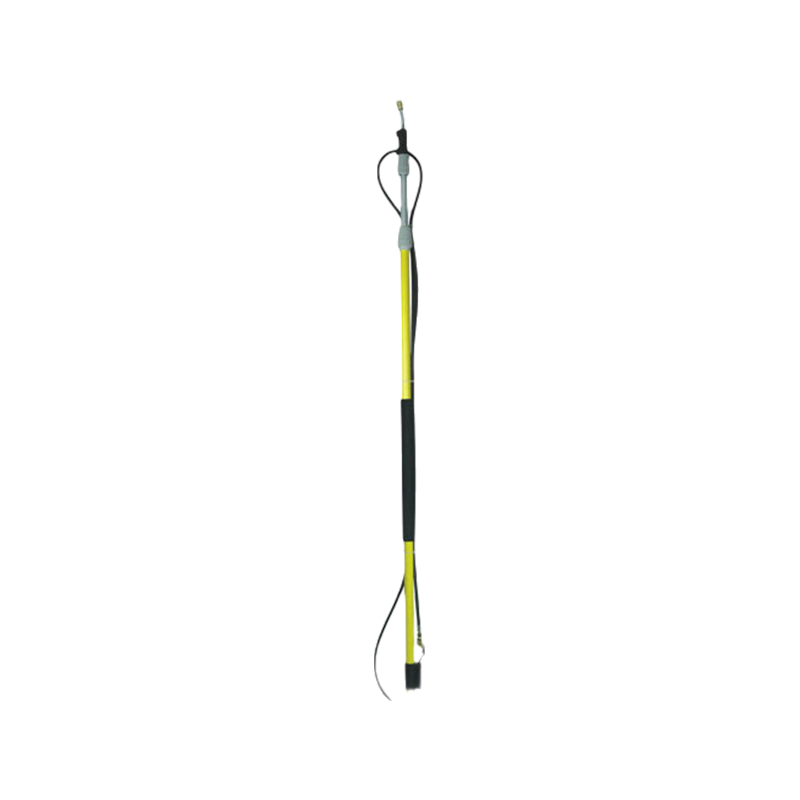 Telescopic Spray Gun Extension Rod KitExtending two or three stages up to seven meters, this fiberglass-and-aluminum telescopic wand handles 280 bar. It fits the discussion of reaching gutters, soffits and second-storey cladding from the ground, replacing ladders and setup time for contract cleaners.View Product →
A double lance mounts two parallel tubes on a single gun body, fed by one inlet. With two tips fitted it cleans a path roughly twice as wide per pass, which matters on large floors and long vehicle runs; configured with a chemical tip on one side it can rinse and treat in a single movement. They are heavier and costlier than single tubes, so they earn their place where labour time, not hardware price, is the dominant cost.
Most lances on the market are carbon steel tube with a chromed or galvanised finish. The plating resists corrosion well while it is intact; once a chip exposes bare steel, wash-down water finds it and rust follows from the outside in. Stainless steel tubes, usually 304 grade, cost more per piece but shrug off coastal salt, detergents and the chemical-laden steam of food-plant sanitation, which is why they dominate industrial and hygiene-critical orders.
Whatever the finish, the attributes that govern safety are identical: wall thickness, weld quality at the fittings, and a rated working pressure comfortably above the pump's maximum.
| Attribute | Chromed Steel Lance | Stainless Steel Lance |
|---|---|---|
| Corrosion resistance | Good while the coating is intact; rusts at chips and scratches | Excellent; suits coastal air, detergents and chemical wash-down |
| Typical duty | Domestic and mid-duty commercial machines | Industrial, hot-water and high-cycle applications |
| Cost position | Economical; suits volume replacement programmes | Higher; justified where corrosion or hygiene rules |
| Best fit | Dealer stock, standard fleets, general cleaning | Food plants, marine yards, corrosive environments |
Almost every lance ends in a 1/4-inch quick-connect socket, and the colour of the tip seated there tells the story:
Narrower tips bite harder, so they pair best with shorter, stiffer tubes where control is immediate; wider tips forgive a longer barrel. Rotating turbo nozzles add their own reaction torque, which argues again for the shorter tube or a firm two-handed grip. The tip, not the barrel, shapes the jet itself — we examine that physics in more detail in our note on nozzle design and pressure distribution.
Connection standards divide the market more than lance types do. Professional guns take threaded M22 or G1/2 couplings; many domestic machines use bayonet-style fittings, and a small adapter bridges the two worlds. Matching the lance inlet to the gun outlet — thread, seal type and pressure class — prevents the slow leaks and blown couplings that read as machine trouble but are really fitting trouble.
Length is the quiet variable in every lance decision. Around 500–600 mm a tube feels precise and is easy to hold on vehicles and detail work. Around 900–1,100 mm it keeps splash, grit and ricochet off the operator and reaches across wide paving — but every extra centimetre adds leverage, and when a jet catches a loose edge, the kick arrives at the wrist multiplied. People who wash for a living usually own both lengths and choose by the job, not by preference.
Bend geometry matters as much as length. A gentle elbow at the outlet angles the jet without angling the wrist, which is the difference between finishing a fleet shift with steady hands and finishing it with sore forearms. Insulated lances add a further layer for hot-water machines and long trigger cycles, where heat soaks down an unprotected tube toward the grip.
For distributors, OEM brands and service fleets, a lance order is a specification exercise. The points that separate a smooth repeat order from a container of returns:
Those are the checkpoints we apply to our own lance production in Ningbo, where manufacturing has run since 2011 beside two of the world's busiest container ports. Years of supplying guns, barrels, nozzles and couplings to overseas brands have taught us that the specification sheet, not the sample, decides how a partnership ages.
Choose the geometry before the finish, and the finish before the price. A straight tube for open ground, a bent barrel for wheels and rails, a telescopic wand for anything above head height, a double lance where labour hours dominate — then stainless steel where corrosion or hygiene calls for it, and connection standards matched to the fleet. Get those decisions in that order and the lance stops being the accessory nobody specifies and becomes the part that quietly decides whether every other component performs.
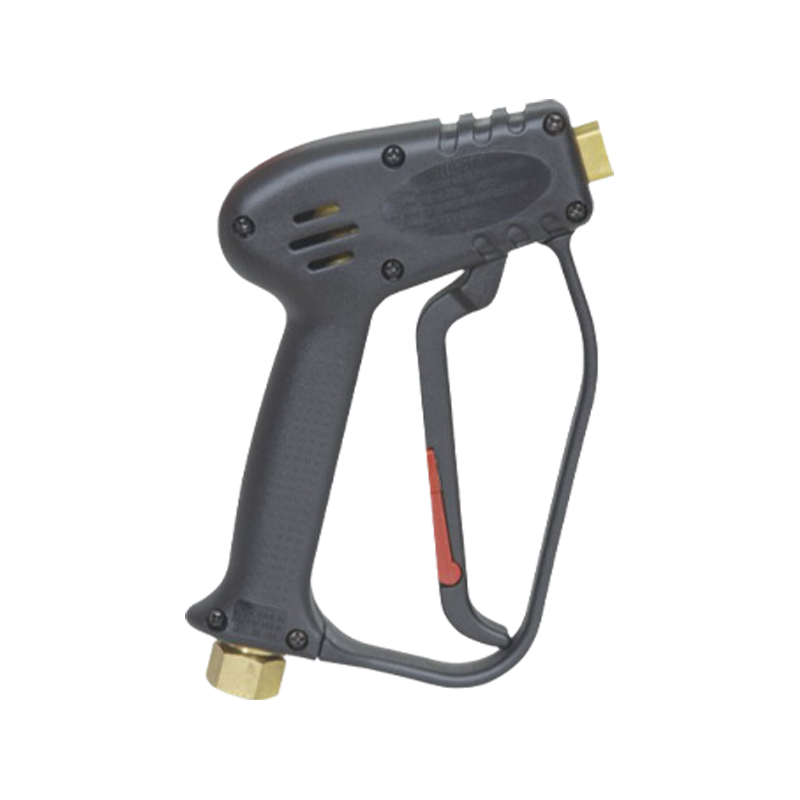
Soft grip industrial high pressure spray guns are specifically designed for high-pressure cleaning applications, utilizing water as the sole medium. These spray guns are engineered with a high-pressur...
See Details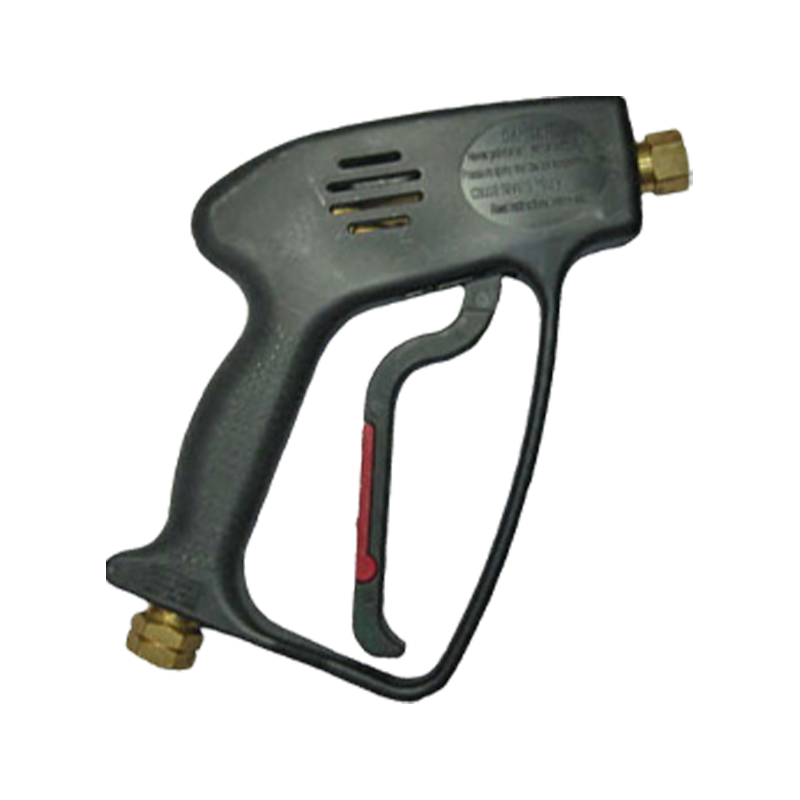
The Weep Trigger Spray Gun is an innovative water gun designed specifically to prevent high-pressure water pipes from freezing in winter. Its core feature is the small hole design at the spray gun val...
See Details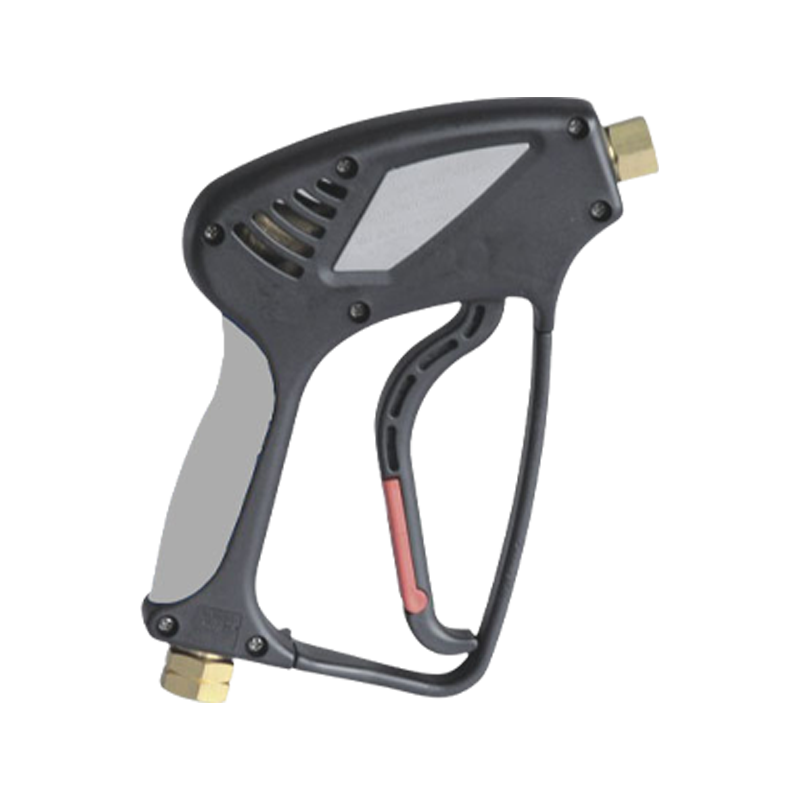
The high pressure power spray gun is an innovative cleaning equipment that integrates efficient cleaning and convenient operation. It uses high-pressure water flow to remove stubborn stains and is sui...
See Details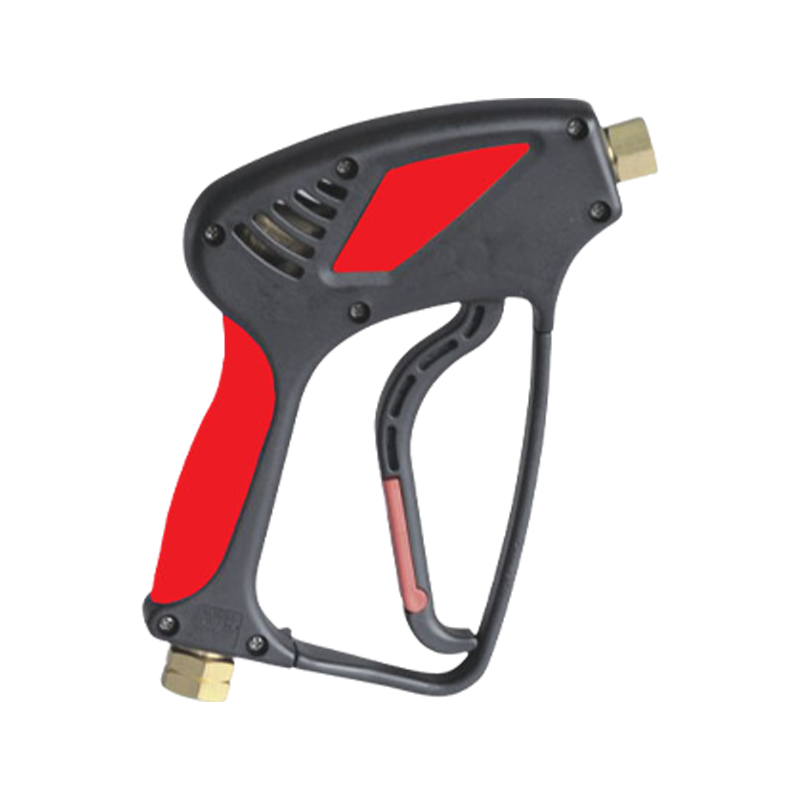
The high pressure cleaning spray gun is a standard configuration of a high pressure cleaning machine. The high-pressure water flow from the high-pressure cleaning machine passes through a high-pressur...
See Details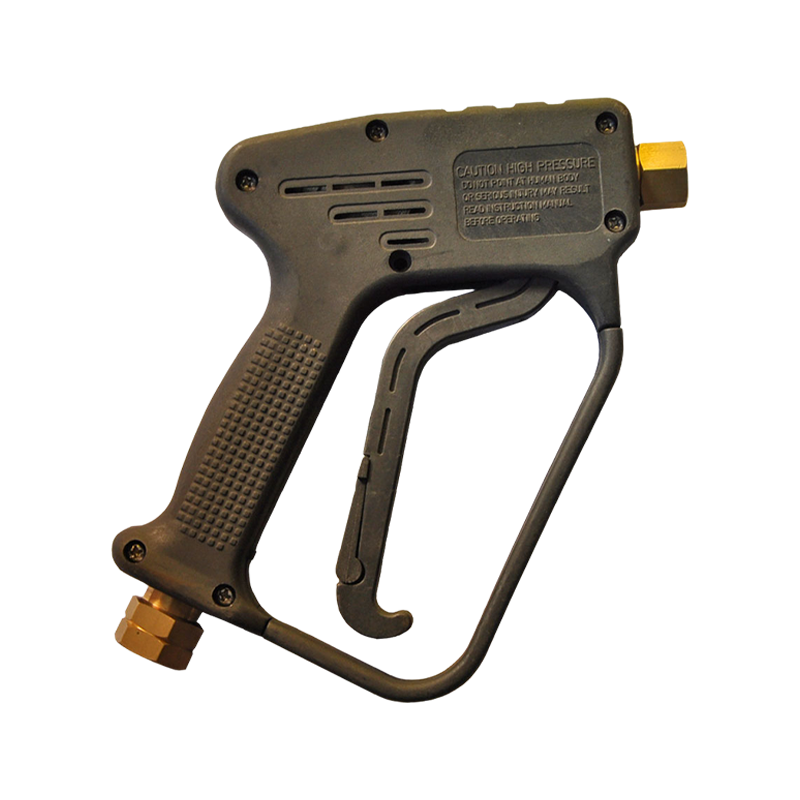
The carpet cleaning high pressure cleaning gun is a tool designed specifically for deep cleaning, using high-pressure water flow to efficiently remove dirt, dust, and stubborn stains from carpet fiber...
See Details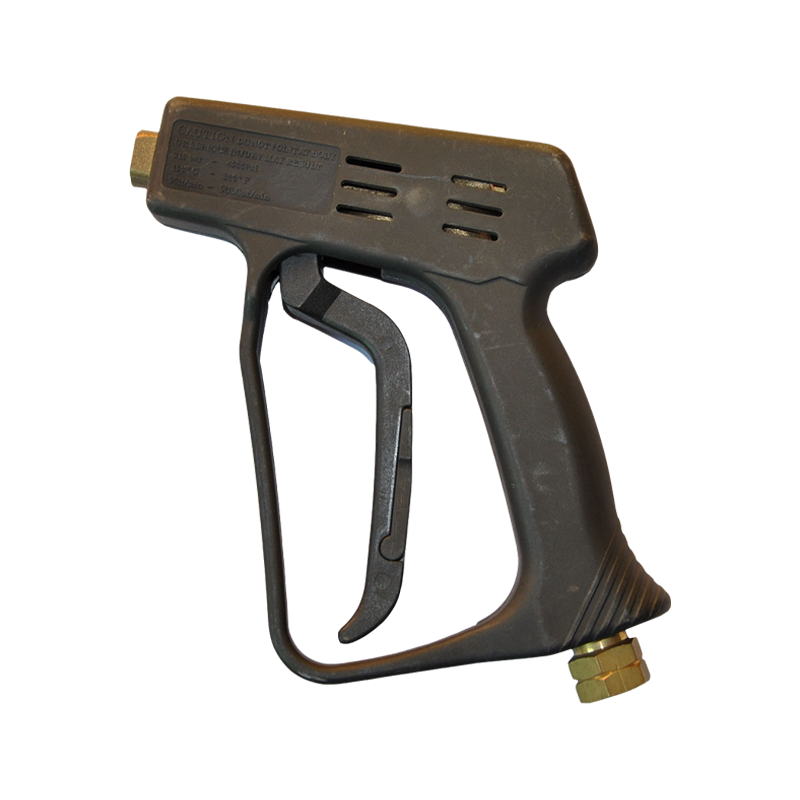
The 4500psi high pressure washing spray gun is a specialized tool designed for high-pressure liquid delivery and cleaning tasks, widely utilized in industrial cleaning, automotive maintenance, agricul...
See Details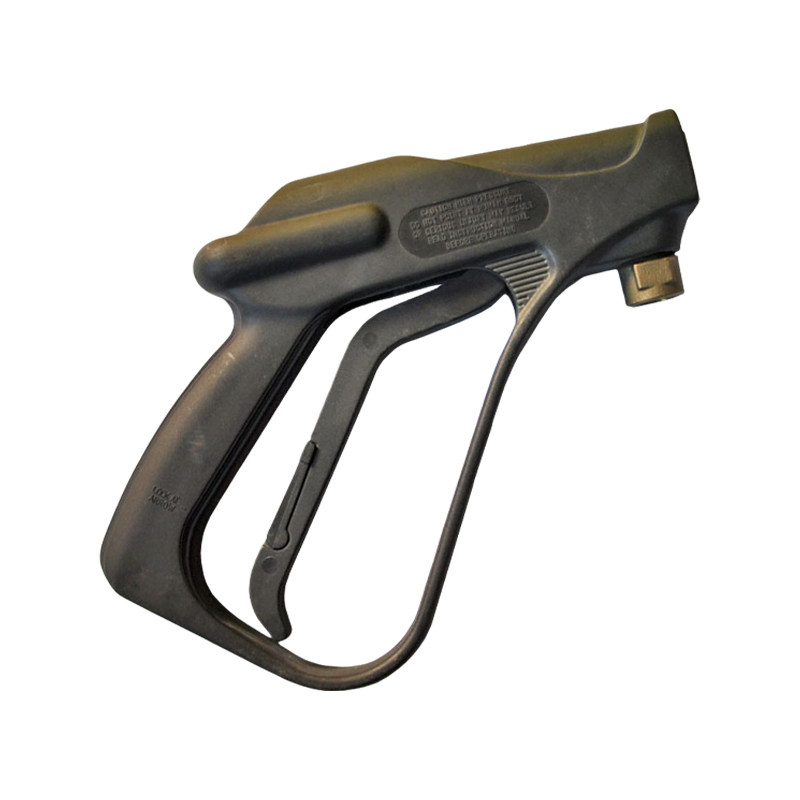
The brass outlet trigger spray gun is made of high-quality brass material and equipped with precise trigger design. Users can adjust the water flow rate and spray angle according to their needs to ach...
See Details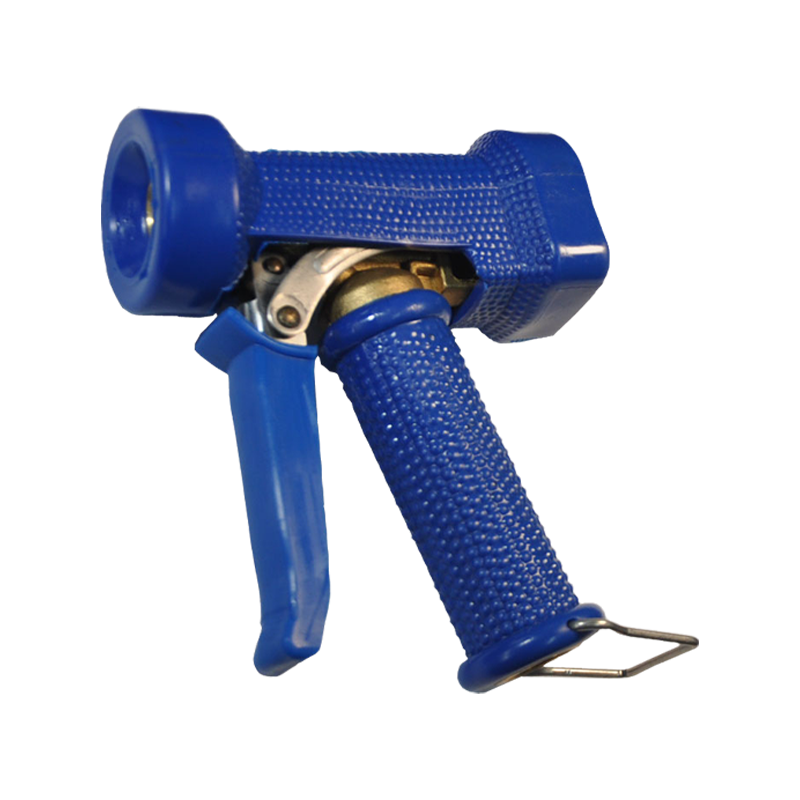
The heavy-duty brass flushing gun is specifically designed for low-pressure applications such as garden irrigation, dust suppression, and equipment cleaning. The ergonomic handle features an anti-slip...
See Details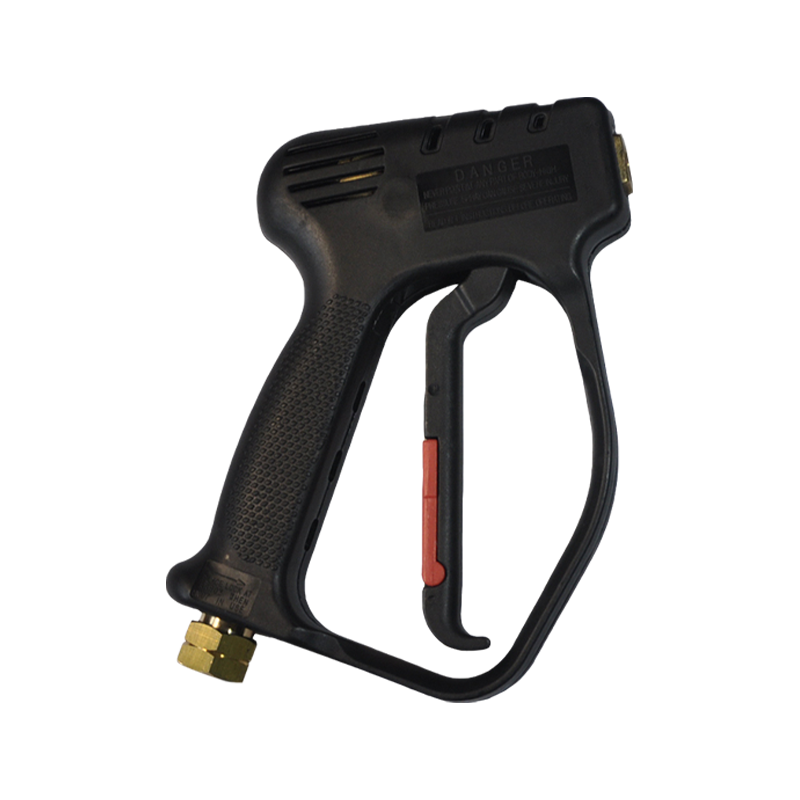
Industrial cleaning trigger spray gun is an efficient and durable cleaning equipment. Its internal sealing components are made of high-strength materials, effectively preventing leakage. Its design ca...
See Details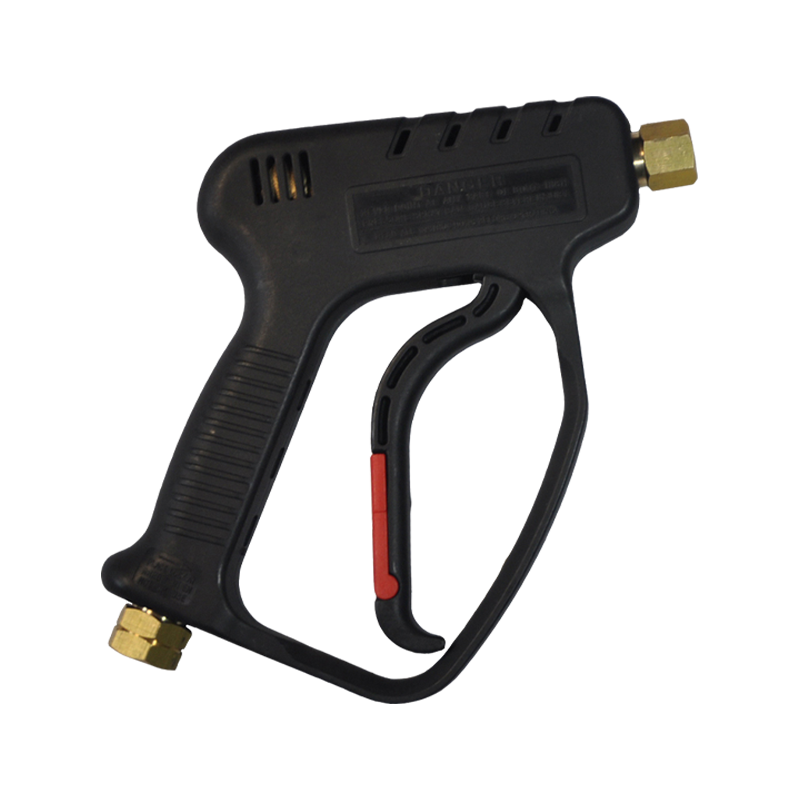
The portable handheld trigger spray gun is made of high-strength engineering plastics and/or metal materials, and the handheld part is coated with anti slip rubber to enhance the safety and comfort of...
See Details
The basic structure and working principle of the foam sprayer Foam sprayer is a device that mixes liquid diluent and air and sprays in the form of foam. It is widely used in car washing, industrial cl...
See Details
What is a high Pressure Washer Water Broom? A high Pressure Washer Water Broom is an accessory tool designed to improve floor cleaning efficiency and is usually used in conjunction with a high-pressur...
See Details
Introduction: Demands and Challenges of Modern Car Washing In modern society, cars have become an indispensable means of transportation in daily life, and almost every family has one or more cars. Wit...
See Details
1. Understand the basic structure and working principle of high-pressure cleaning spray guns The basic structure of a high-pressure cleaning gun A high-pressure cleaning gun consists of multiple parts...
See Details
 +0086-13003738672
