Buyer's field guide to hot-water lance components
Pressure Washer Lance Heat Protectors: What Decides Whether a Hot Lance Is Safe to Hold
Materials, temperature ratings, fit tolerances and the failure patterns that appear when a hot-water lance is specified by guesswork.
Run a hot-water pressure washer at 90 °C for ten minutes, then pick up the lance. On a properly specified assembly the grip is warm but stable and the tip is intact. On an underspecified one the overmould has gone soft, a sleeve has slid down the barrel, and the operator is holding hot metal through a wet glove. The lance heat protector, whether it is a ventilated rear grip, a silicone barrel sleeve or a rubber tip bumper, is the part that decides which of those two outcomes you get.
That makes it a specification item, not an afterthought accessory. The sections below cover what each type of protector actually does, which materials survive which temperatures, how fit and retention fail in the field, and what to put on a purchase order so the third shipment matches the first.
One phrase covers three different components, and that is where most quotation confusion starts. They are not interchangeable, and each one fails in its own way.
If a quotation says only "heat protector", ask which of the three is quoted, against which part number, and at what temperature it was validated.
Heat reaches an operator by three routes, and each one needs a different answer.
The practical consequence is that a glove rated to 100 °C still passes heat to skin within seconds when the grip surface reaches 60 °C. Insulation has to sit on the lance, not only on the hand.
| Material | Continuous service temperature | Typical position | What to watch |
|---|---|---|---|
| EPDM rubber | -40 to +120 °C | Tip bumpers, grip sleeves | Good water and ozone resistance; can harden after long hot cycles. |
| Silicone | -50 to +200 °C | Barrel sleeves, hand guards | Stays flexible when hot; tears more easily and costs more per part. |
| TPR and TPE overmould | up to 90 to 110 °C | Trigger grips | Excellent wet grip; softens and rotates on the barrel if undersized. |
| Ventilated engineering plastic | 100 to 130 °C with an air gap | Rear grip sections | The air gap does most of the work; a blocked gap removes the benefit. |
| Stainless steel with air gap | 150 °C and above | Industrial handles | Rigid and durable; hot to touch if the standoff collapses. |
When a grip still gets hot, the instinct is to make it thicker. Air insulates far better than solid polymer, and a 6 to 10 mm ventilated gap between the barrel and the outer shell will outperform a much heavier solid overmould. That is why hot-water rear grip sections are ribbed or vented rather than simply chunky.
Ventilated grips also dry faster, which matters when an operator's hand is wet for a whole shift. The trade-off is that vents collect detergent residue and mineral scale, so the gap has to stay open and cleanable.
For cold-water machines and domestic duty below roughly 60 °C, a solid overmould is simpler, cheaper and entirely adequate. Specifying ventilation where it is not needed adds cost and cleaning work.
A grip that reaches 60 °C has already failed, even if it never melts.
Lance tips get dropped constantly: on driveways, in wash bays, off the back of service vans. A rubber or zinced steel protector around the nozzle holder absorbs that impact so the ceramic insert and the thread seat stay true. A cracked insert distorts the spray pattern long before it fails completely, and an operator chasing a bad pattern will usually raise the pressure instead of replacing a low-cost part.
There is a second benefit, contact control. A bumper keeps the metal edge of the lance away from painted panels, and it keeps a hot tip off the ground when the lance is set down between passes.
Check retention, not just fit. Protectors held by friction alone tend to walk off after a few dozen hot-cold cycles; a lip, groove or mechanical shoulder keeps the part where it belongs.
On long or high-temperature assemblies an integrated handle is often the cleanest way to control the hand zone. It fixes the grip at a set distance from the tip, so the operator's forward hand never drifts onto hot tube, and it gives the OEM one part number to specify instead of three loose components that can be mixed up in assembly.
The approach pays off in rental fleets and industrial wash bays, where a lance passes through many hands in a shift and duty cycles are high. It costs more than a sleeve, but it removes the most common complaint in hot-water service.
Heat protection parts are fit-critical, and most returns trace back to dimensions rather than materials.
A variation of plus or minus 0.2 mm in tube diameter is enough to turn a snug sleeve into a sliding one. That is why a heat protector should be quoted with the lance it fits, not pulled from a catalogue as a standalone item.
Warning: no protector replaces protective equipment. A surface at 60 °C will burn skin on prolonged contact, and steam at the nozzle is the more common injury route. Guards and sleeves are the first layer of control, not the only one.
Operators should still run a pre-shift check on the guns, lances and couplings they handle. The pressure washing spray gun safety guide sets out the practical checks, including the ones that catch a loose coupling before it becomes a hot-water leak.
These come up again and again in hot-water programmes, and each one is cheap to prevent at the drawing stage and expensive to fix after the container arrives.
The pattern is consistent: fit and retention problems look like quality problems, but they usually start as specification gaps.
A workable specification for a lance heat protector lists five things: outlet temperature and duty cycle, lance tube diameter and material, connection standard, retention method with a pull-off value, and the test used to validate the temperature claim. Add marking and drawing revision, and the part stays the same on repeat orders.
Practical tip: ask for a sample that has already been through a hot-cold cycle test, not a fresh moulding. New parts hide the softening and shrinkage that show up after the first few thermal cycles.
Suppliers that already build lances, grips, nozzles and tip protectors as one family can usually match those tolerances without new tooling. If you are sourcing for an OEM or ODM programme, the company profile and manufacturing background explains how tooling, quality control and shipping are organised.
A lance heat protector is a small line item with an outsized effect on how a hot-water machine feels in daily use. Match the material to the outlet temperature, rely on air gaps before wall thickness, lock retention in with a mechanical feature, and specify the part together with the lance rather than after it. Operators notice the difference on the first shift, and warranty teams notice it for years.
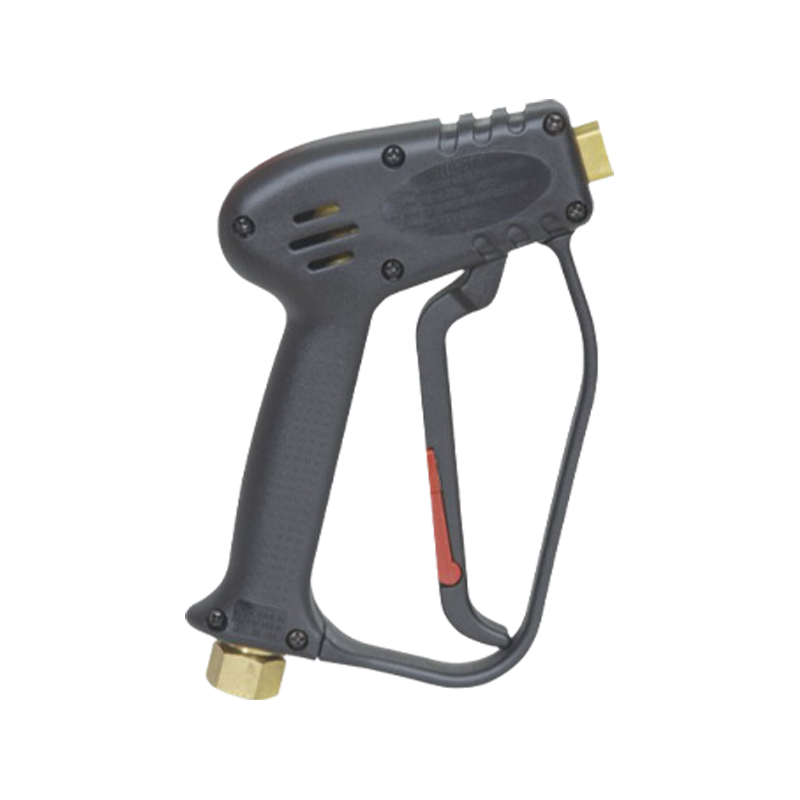
Soft grip industrial high pressure spray guns are specifically designed for high-pressure cleaning applications, utilizing water as the sole medium. These spray guns are engineered with a high-pressur...
See Details
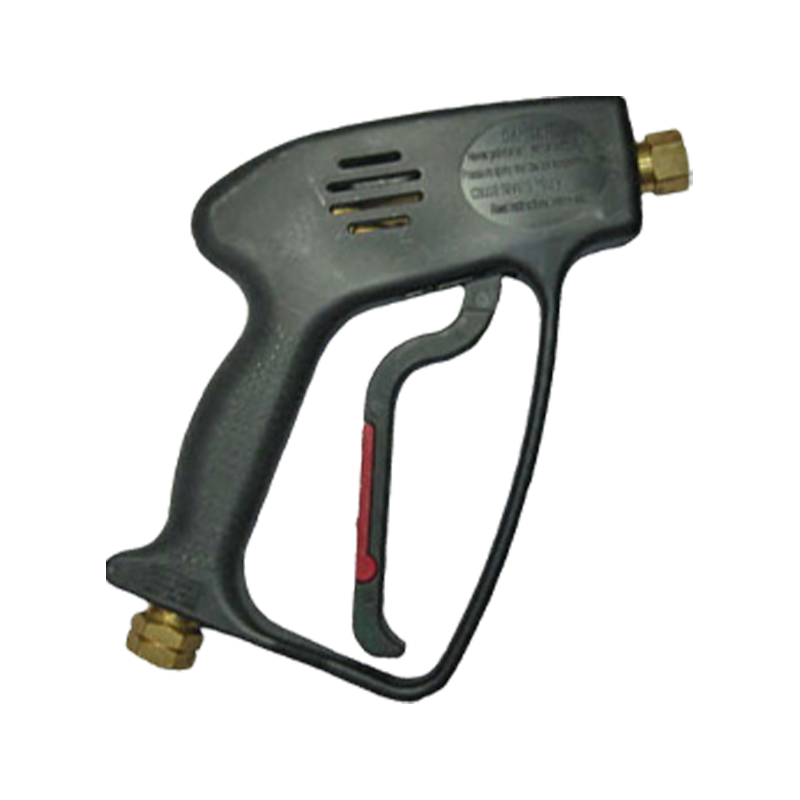
The Weep Trigger Spray Gun is an innovative water gun designed specifically to prevent high-pressure water pipes from freezing in winter. Its core feature is the small hole design at the spray gun val...
See Details
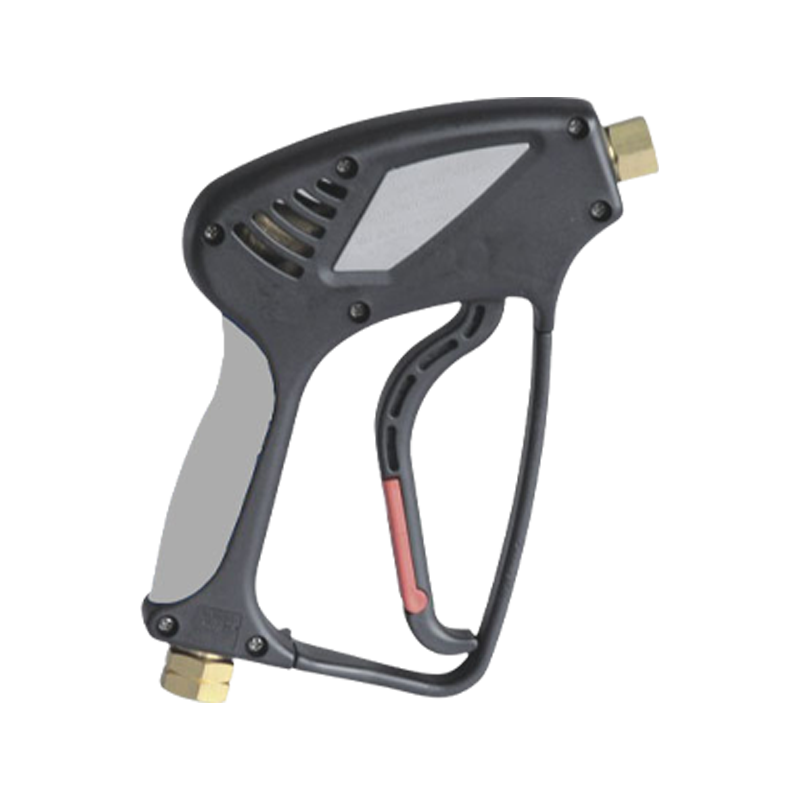
The high pressure power spray gun is an innovative cleaning equipment that integrates efficient cleaning and convenient operation. It uses high-pressure water flow to remove stubborn stains and is sui...
See Details
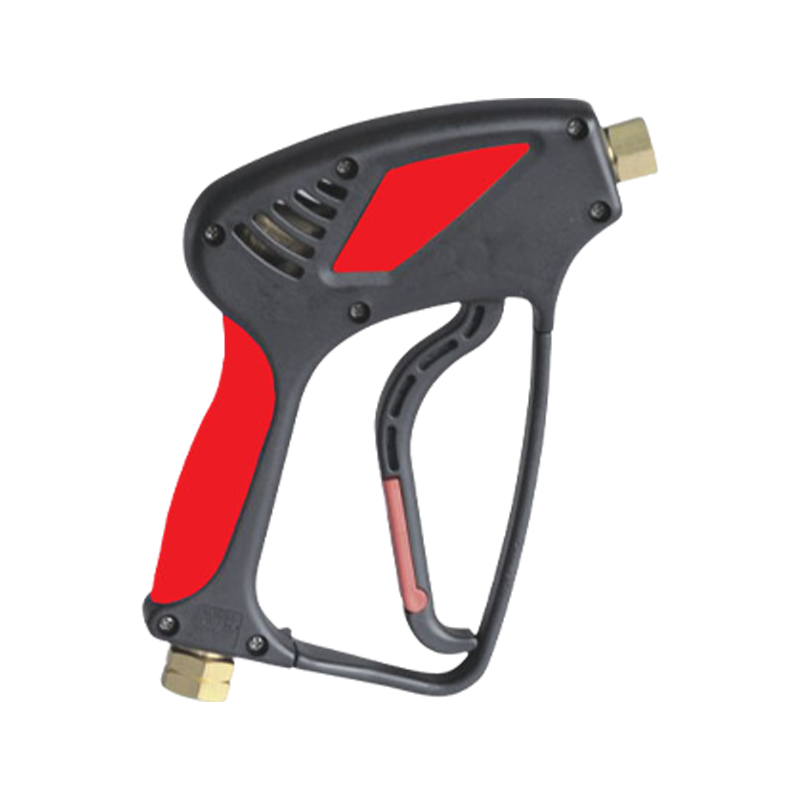
The high pressure cleaning spray gun is a standard configuration of a high pressure cleaning machine. The high-pressure water flow from the high-pressure cleaning machine passes through a high-pressur...
See Details
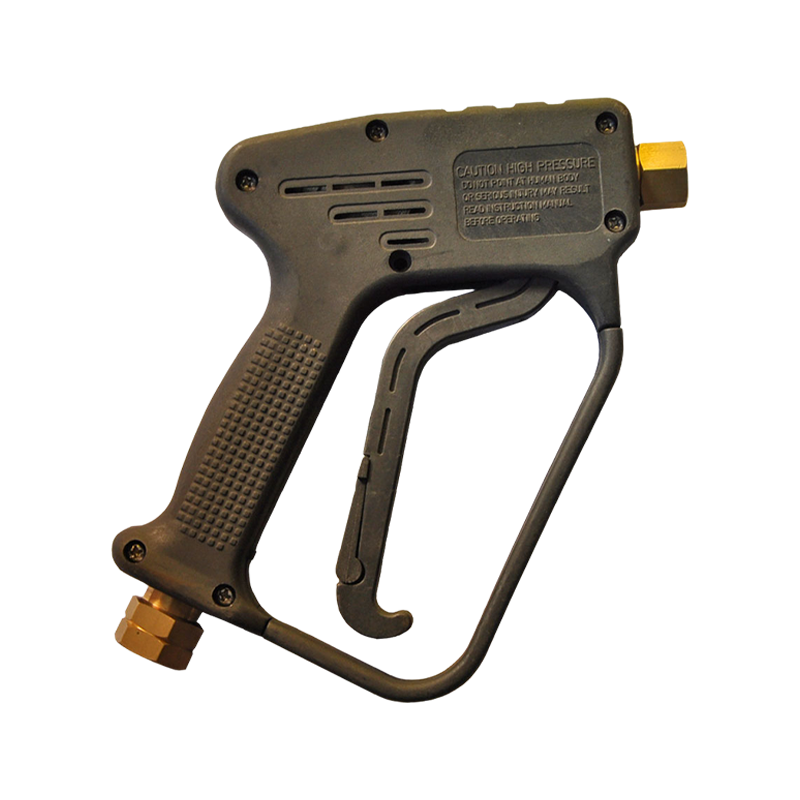
The carpet cleaning high pressure cleaning gun is a tool designed specifically for deep cleaning, using high-pressure water flow to efficiently remove dirt, dust, and stubborn stains from carpet fiber...
See Details
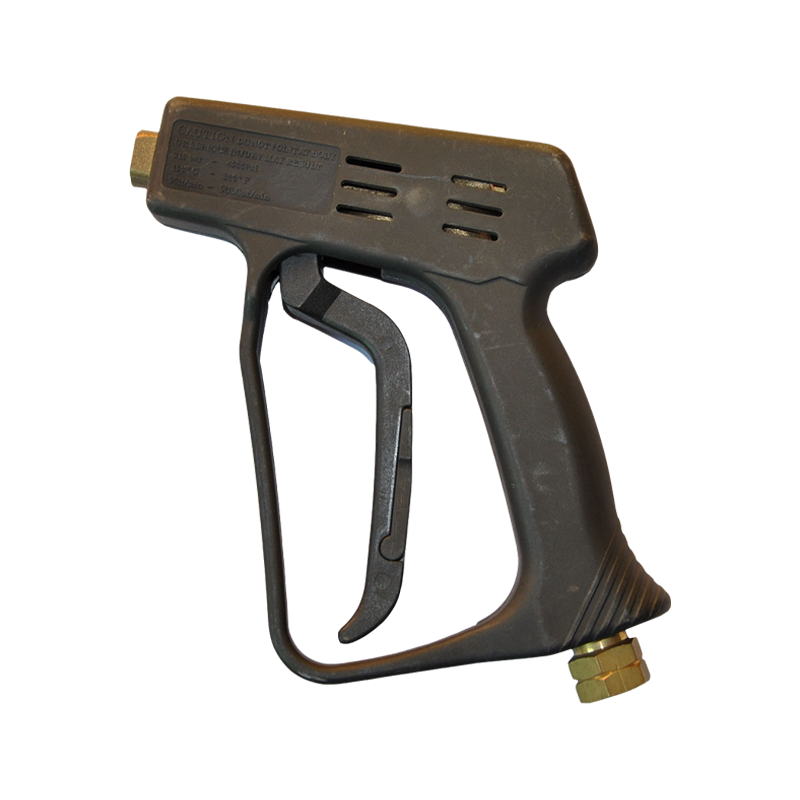
The 4500psi high pressure washing spray gun is a specialized tool designed for high-pressure liquid delivery and cleaning tasks, widely utilized in industrial cleaning, automotive maintenance, agricul...
See Details
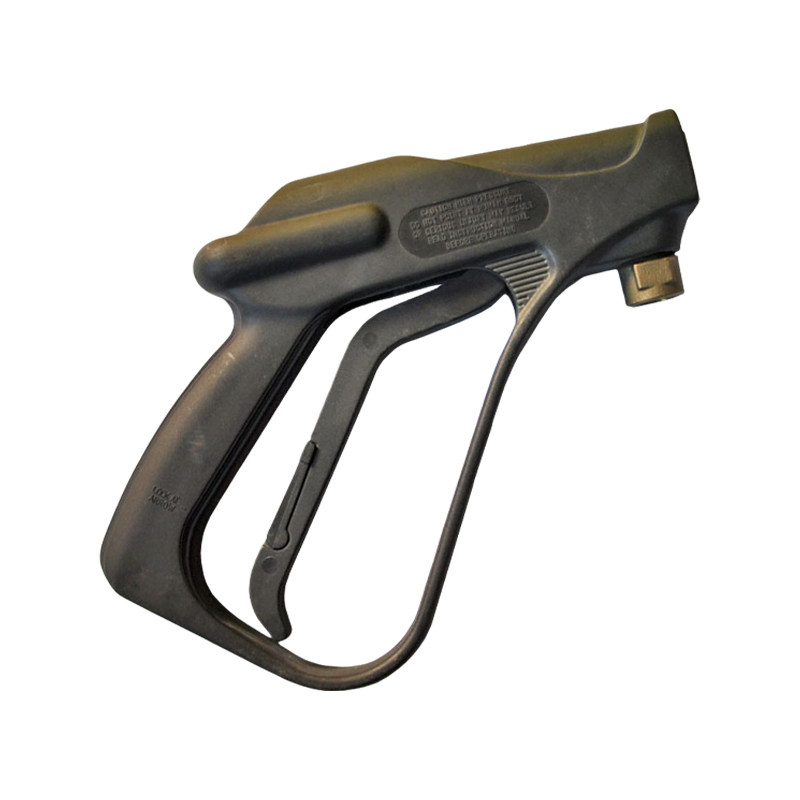
The brass outlet trigger spray gun is made of high-quality brass material and equipped with precise trigger design. Users can adjust the water flow rate and spray angle according to their needs to ach...
See Details
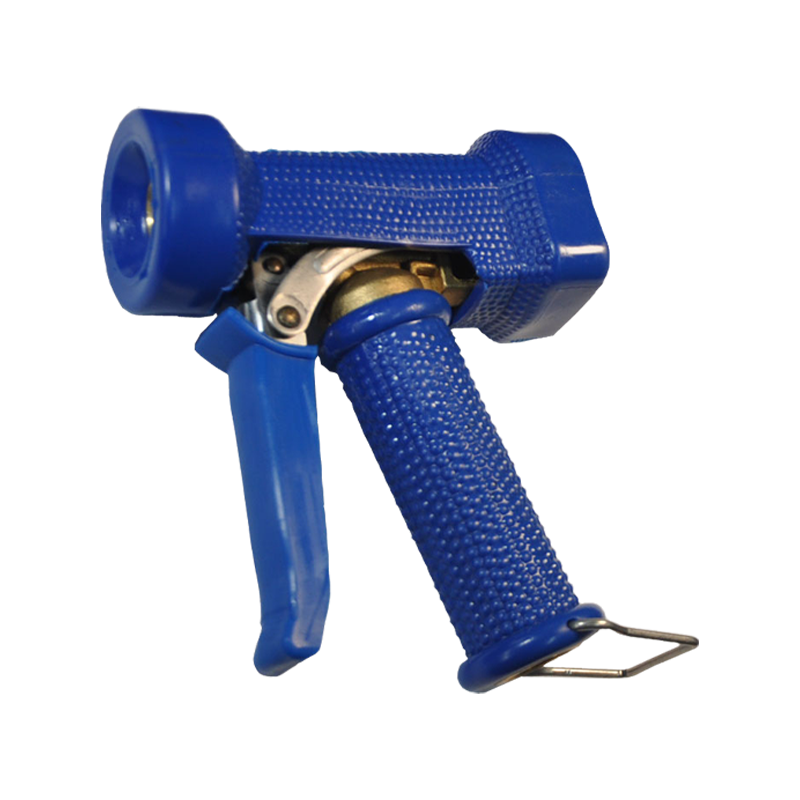
The heavy-duty brass flushing gun is specifically designed for low-pressure applications such as garden irrigation, dust suppression, and equipment cleaning. The ergonomic handle features an anti-slip...
See Details
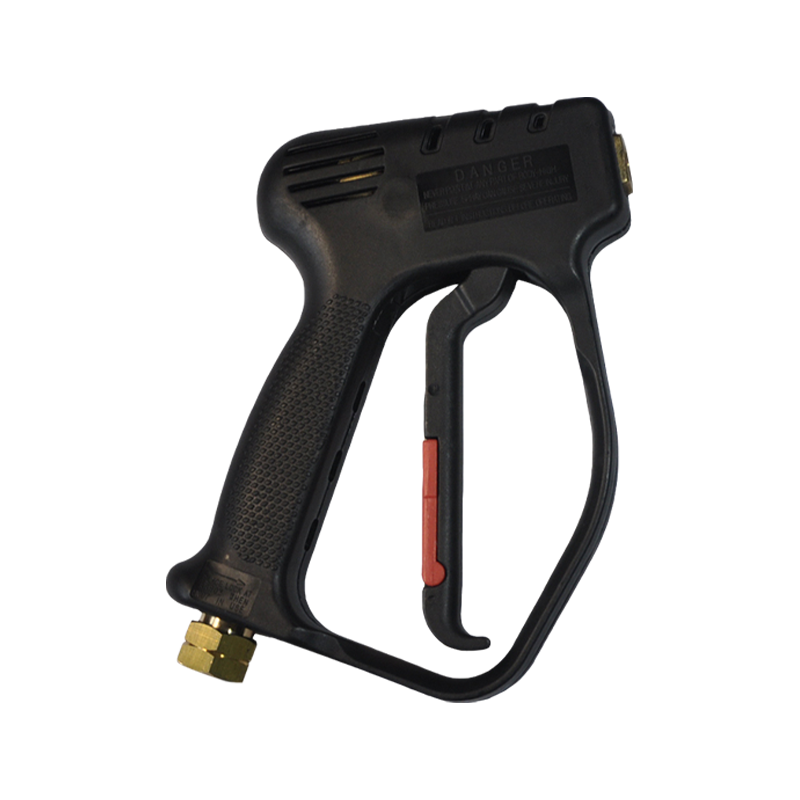
Industrial cleaning trigger spray gun is an efficient and durable cleaning equipment. Its internal sealing components are made of high-strength materials, effectively preventing leakage. Its design ca...
See Details
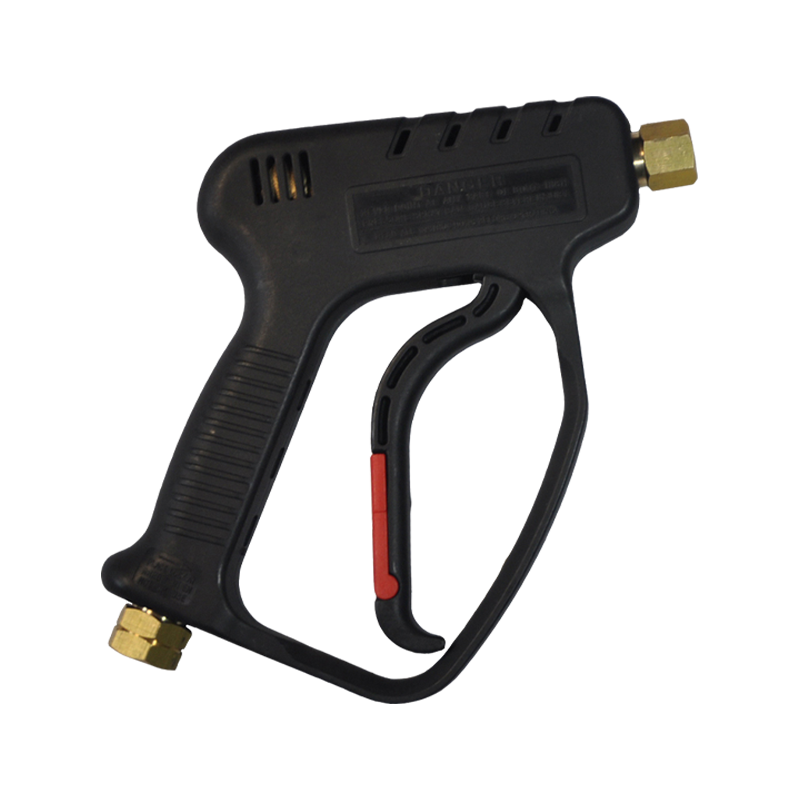
The portable handheld trigger spray gun is made of high-strength engineering plastics and/or metal materials, and the handheld part is coated with anti slip rubber to enhance the safety and comfort of...
See Details

The basic structure and working principle of the foam sprayer Foam sprayer is a device that mixes liquid diluent and air and sprays in the form of foam. It is widely used in car washing, industrial cl...
See Details
What is a high Pressure Washer Water Broom? A high Pressure Washer Water Broom is an accessory tool designed to improve floor cleaning efficiency and is usually used in conjunction with a high-pressur...
See Details

Introduction: Demands and Challenges of Modern Car Washing In modern society, cars have become an indispensable means of transportation in daily life, and almost every family has one or more cars. Wit...
See Details
1. Understand the basic structure and working principle of high-pressure cleaning spray guns The basic structure of a high-pressure cleaning gun A high-pressure cleaning gun consists of multiple parts...
See Details