How to Use a Pressure Washer Dual Lance: Setup, Switching and Care
Two barrels, one trigger, and a single habit that decides whether the lance lasts a season or a week.
A dual lance is switched with the trigger released, while the machine is still running but not spraying. That one habit protects the selector seals more than any other, and it is the first thing a technician checks when a soap barrel stops drawing detergent halfway through a job.
Here is the short version before the detail. Confirm the connection and the pressure rating, run every cleaning pass through the high-pressure barrel, run chemicals and rinsing through the low-pressure barrel, and flush that low-pressure side with clean water before the lance goes back on the shelf. The rest of this article explains why each step exists, what it costs when it is skipped, and how to specify a two-barrel lance that survives daily commercial use.
What arrives in the box is two tubes sharing one handle and one trigger. The high-pressure barrel is a straight tube, usually chromed steel or stainless in 1/4-inch or 3/8-inch outside diameter, ending in a quick-connect socket for a standard tip. The second barrel is deliberately restrictive: it ends in a soap nozzle, an MEG-style tip, or an open port that feeds a downstream chemical injector. Turning the selector changes the water path; it does not change what the pump is producing.
Two things a dual lance is not. It is not a turret nozzle holder, which keeps a single barrel and rotates a disc of tips in front of one orifice; that is useful for angle changes, but it does not drop pressure for chemical draw. It is also not a twin-gun manifold, where two operators share one machine and split flow between two outlets.
The first number to verify is working pressure. Commercial lances are built and crimped for a defined band, and the common bands sit at 3,000 psi and 4,500 psi. A lance rated below the pump's peak output fails at the crimp or the handle joint, and it usually fails while someone is holding it.
The front section of a dual lance, the casting or forging that carries both barrels and the selector, is where that rating is decided, and it is the part worth comparing when two quotations look identical on paper.
Work through these seven steps the first time you assemble a lance. After that they take under a minute.
Turn the selector with your thumb, not your forearm. A dual lance that needs force to switch is already telling you that the seal behind it is on the way out.
The way a tip's orifice shapes flow and pressure distribution is covered in more detail in this note on nozzle design and flow.
Pressure at the nozzle is not a fixed property of the machine. It is the result of pump flow pushed through a specific orifice, and the same pump behaves differently behind the two barrels of a dual lance. The high-pressure barrel carries the tip you chose, so its behaviour tracks that tip. The low-pressure barrel is intentionally oversized, which is exactly what allows line pressure to fall far enough for a downstream injector to siphon.
| Barrel | Tip fitted | Pressure at the nozzle | Typical task |
|---|---|---|---|
| High pressure | 0, 15 or 25 degree quick-connect tip | Full rated pump pressure | Concrete, masonry, stripping, pre-rinse |
| Low pressure | Soap nozzle or MEG tip | Reduced, often far below 500 psi | Detergent, foam, vehicle paint and glass |
When a machine appears to lose pressure the moment the selector moves, the cause is usually upstream of the lance: a worn quick-connect O-ring, a partly blocked inlet filter, or a tip that does not match the flow. Check those three before replacing the lance.
A variable-angle nozzle with a high and low pressure function does part of this work on a single barrel, letting one tip move between a narrow jet and a wider low-pressure spray for lighter jobs.
Downstream injection only works when line pressure drops. The injector sits after the pump, and the venturi inside it needs a pressure difference to pull detergent out of the tank. Run the soap barrel at full pressure and nothing moves; the pickup tube stays full and the operator blames the chemical.
Adjustable injectors let you trim the draw with a metering screw, and typical downstream ratios land between 5:1 and 20:1 water to chemical. Apply from the bottom of the surface upward so the detergent does not dry on the way down, let it dwell for two to five minutes, then rinse from the top down and finish on the high-pressure barrel.
On the parts side, an adjustable chemical injector is the component that decides whether the soap barrel draws consistently or hesitates every time you switch.
A dual lance has more sealing surfaces than a single-barrel wand, so its wear list is longer. These are the parts that fail, roughly in order:
When a dual lance is bought by the pallet rather than by the piece, the sample matters less than the specification behind it. Two lances that look identical can differ in wall thickness, crimp pressure, detent force and O-ring compound, and those differences show up in return rates eighteen months later.
A workable purchase specification for a two-barrel lance should fix at least these points:
These are details a parts manufacturer controls directly rather than assembling from catalogues, which is why the tolerances are worth asking about early. Our production and quality background covers the ratings, thread standards and materials we work to across guns, lance barrels, couplings, nozzles, injectors and filters.
Use the high-pressure barrel for everything that removes material and the low-pressure barrel for everything that adds it, switch between them with the trigger released, and flush the chemical side with clean water before the lance is stored. Those three habits cover most of what using a dual lance really means in daily work.
Everything else is matching: the tip to the flow, the thread to the gun, the pressure rating to the pump, and the O-ring compound to the chemicals. Get the matching right and a dual lance is one of the longest-lasting parts on the machine; get it wrong and it becomes the part you replace every quarter.
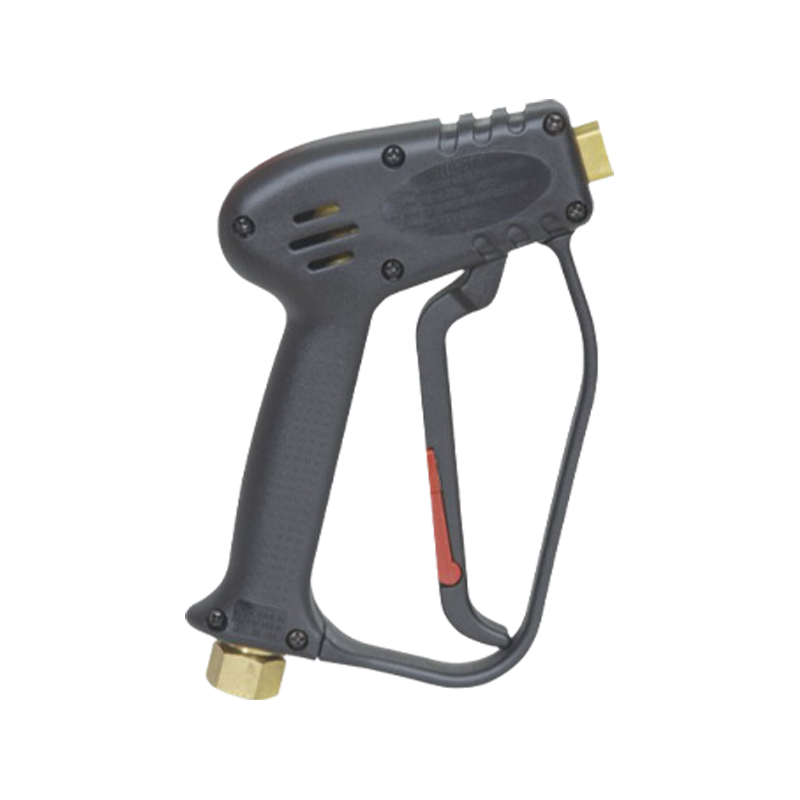
Soft grip industrial high pressure spray guns are specifically designed for high-pressure cleaning applications, utilizing water as the sole medium. These spray guns are engineered with a high-pressur...
See Details
The Weep Trigger Spray Gun is an innovative water gun designed specifically to prevent high-pressure water pipes from freezing in winter. Its core feature is the small hole design at the spray gun val...
See Details
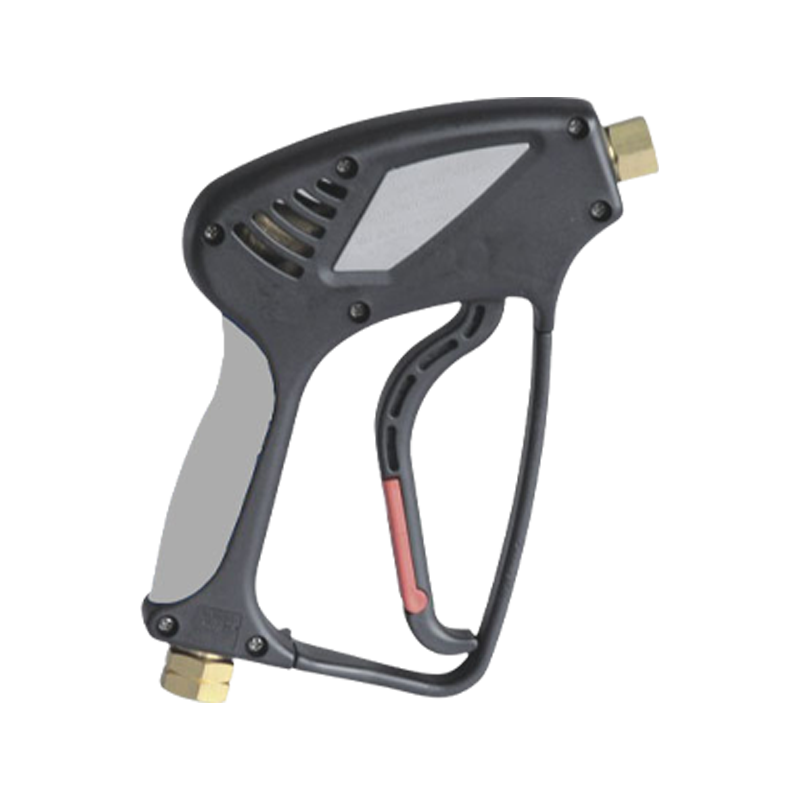
The high pressure power spray gun is an innovative cleaning equipment that integrates efficient cleaning and convenient operation. It uses high-pressure water flow to remove stubborn stains and is sui...
See Details
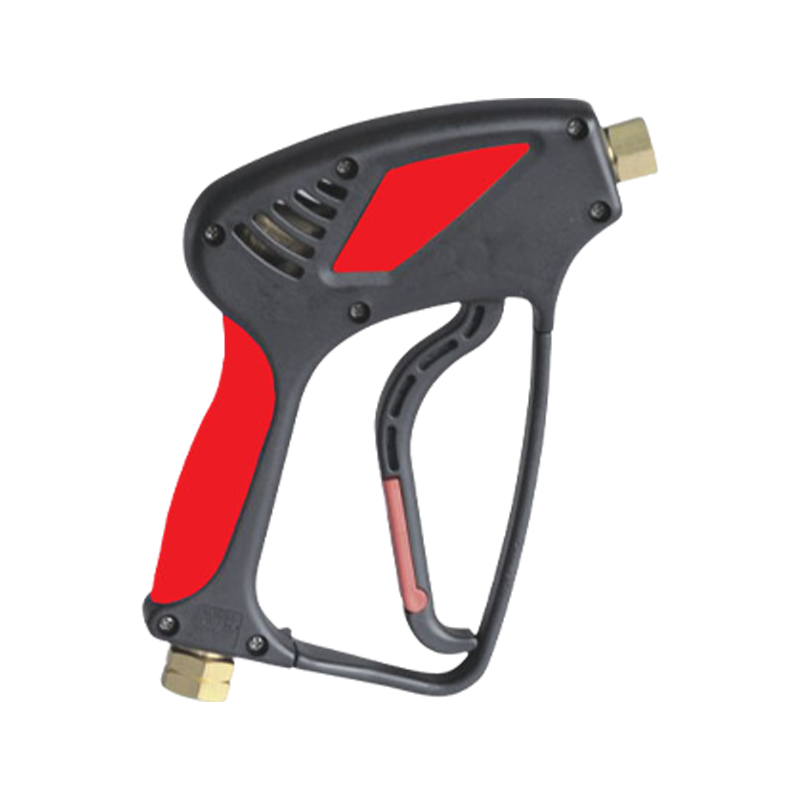
The high pressure cleaning spray gun is a standard configuration of a high pressure cleaning machine. The high-pressure water flow from the high-pressure cleaning machine passes through a high-pressur...
See Details
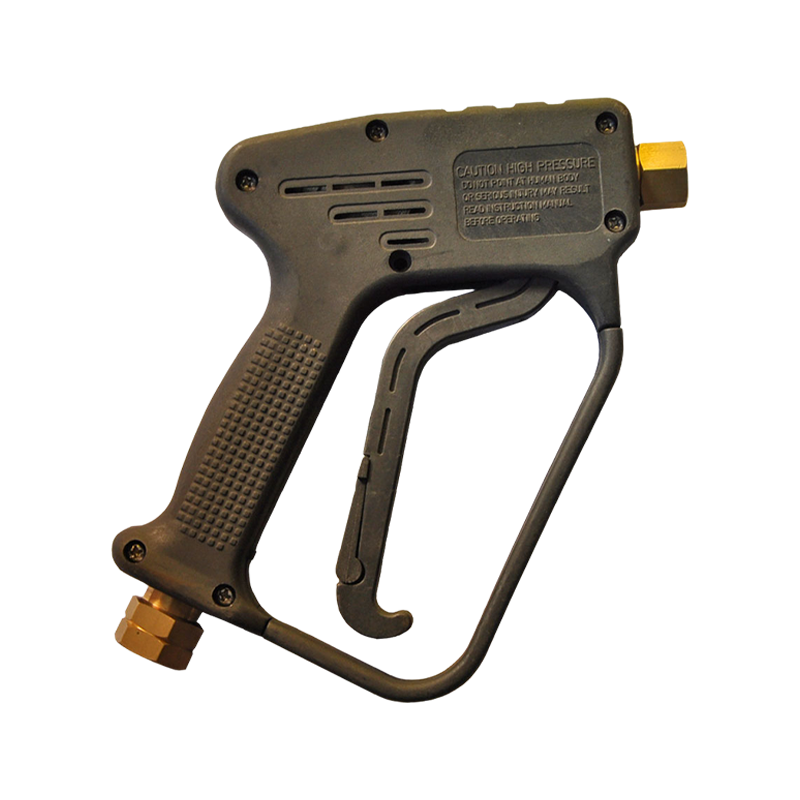
The carpet cleaning high pressure cleaning gun is a tool designed specifically for deep cleaning, using high-pressure water flow to efficiently remove dirt, dust, and stubborn stains from carpet fiber...
See Details
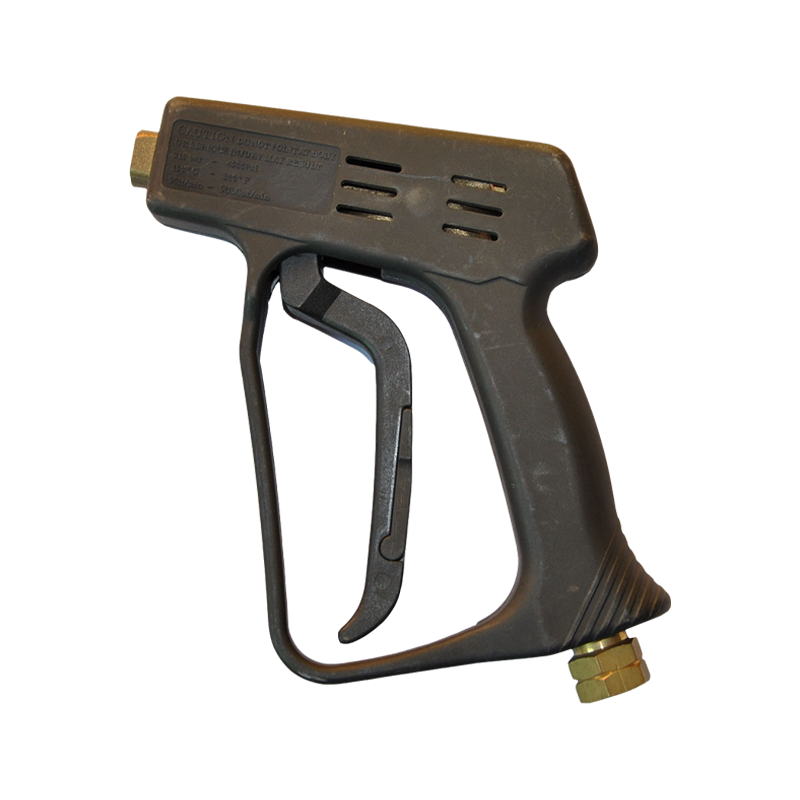
The 4500psi high pressure washing spray gun is a specialized tool designed for high-pressure liquid delivery and cleaning tasks, widely utilized in industrial cleaning, automotive maintenance, agricul...
See Details
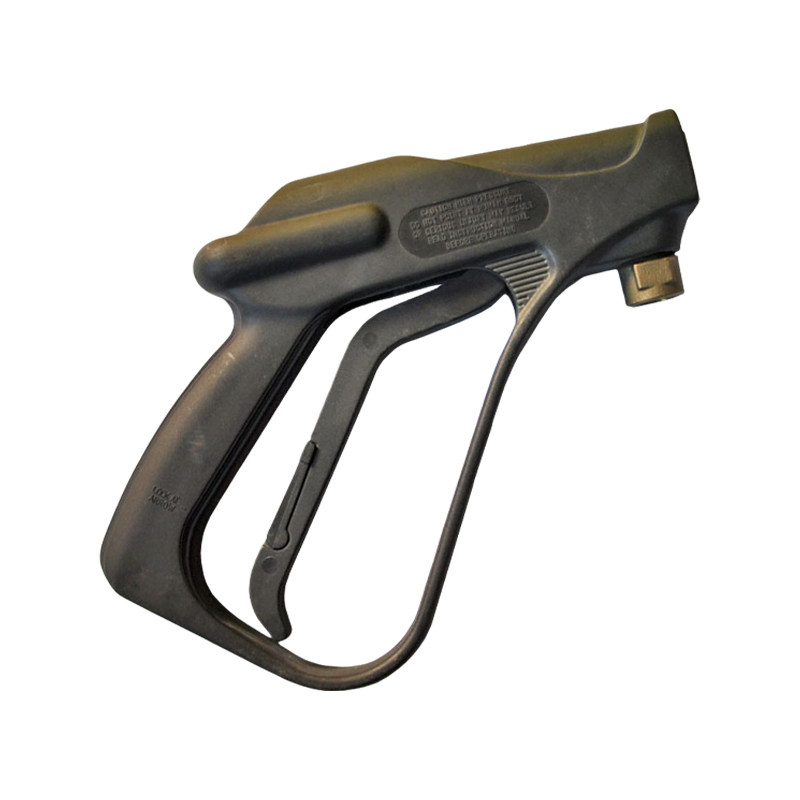
The brass outlet trigger spray gun is made of high-quality brass material and equipped with precise trigger design. Users can adjust the water flow rate and spray angle according to their needs to ach...
See Details
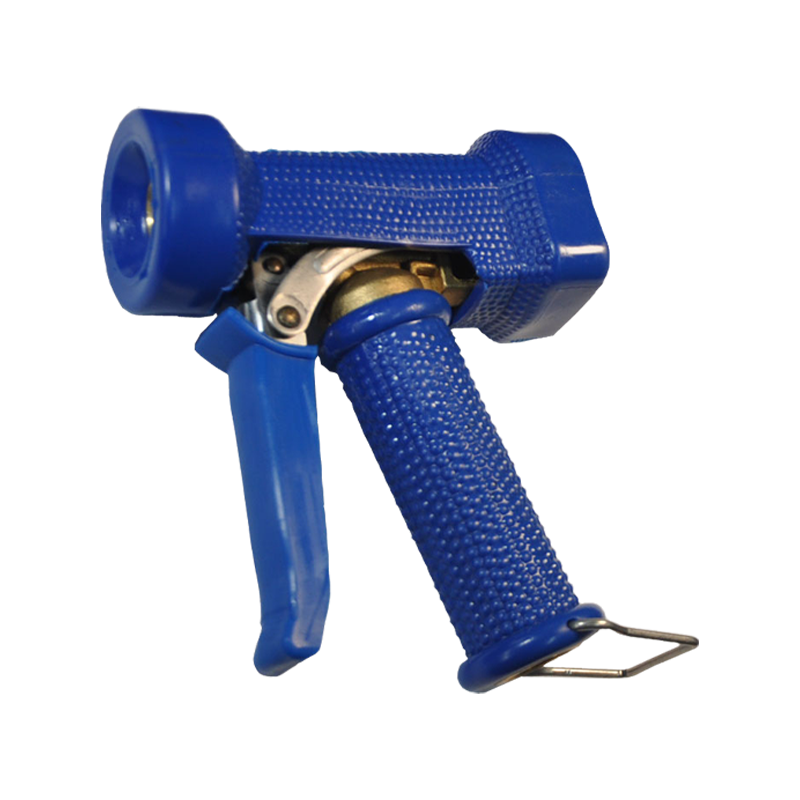
The heavy-duty brass flushing gun is specifically designed for low-pressure applications such as garden irrigation, dust suppression, and equipment cleaning. The ergonomic handle features an anti-slip...
See Details
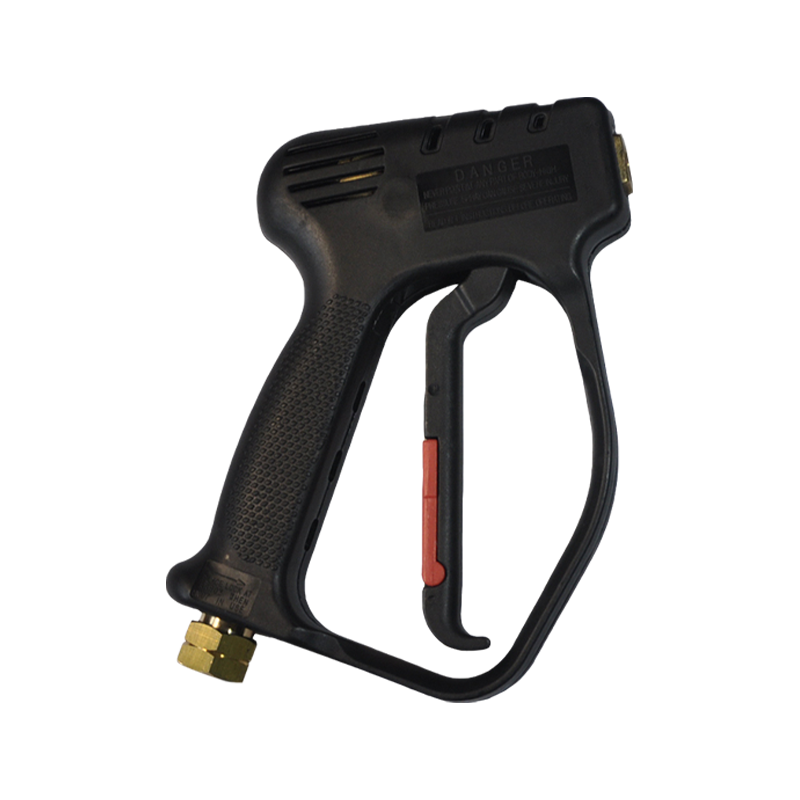
Industrial cleaning trigger spray gun is an efficient and durable cleaning equipment. Its internal sealing components are made of high-strength materials, effectively preventing leakage. Its design ca...
See Details
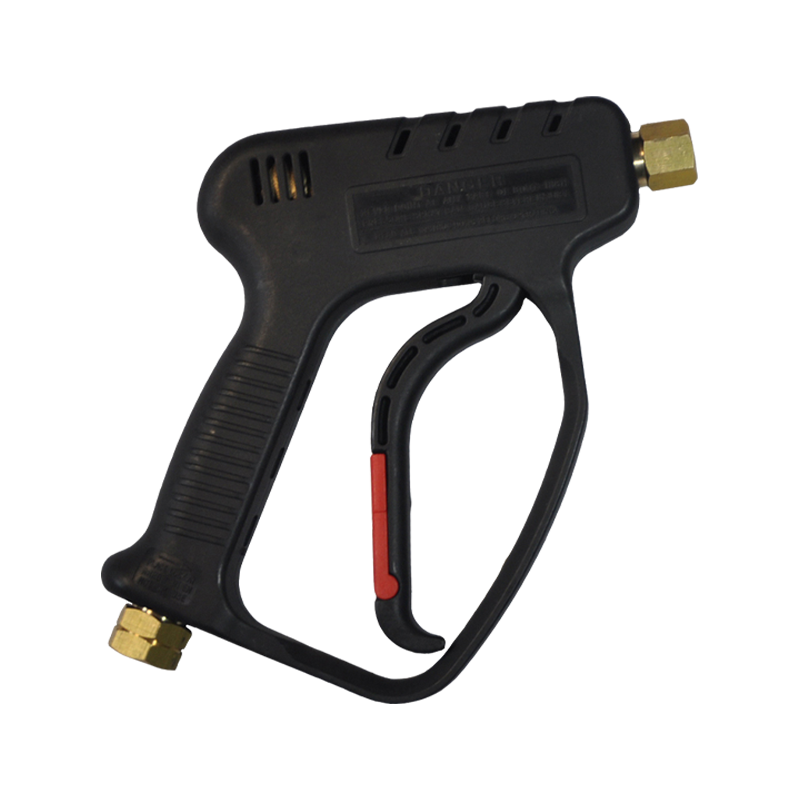
The portable handheld trigger spray gun is made of high-strength engineering plastics and/or metal materials, and the handheld part is coated with anti slip rubber to enhance the safety and comfort of...
See Details

The basic structure and working principle of the foam sprayer Foam sprayer is a device that mixes liquid diluent and air and sprays in the form of foam. It is widely used in car washing, industrial cl...
See Details

What is a high Pressure Washer Water Broom? A high Pressure Washer Water Broom is an accessory tool designed to improve floor cleaning efficiency and is usually used in conjunction with a high-pressur...
See Details

Introduction: Demands and Challenges of Modern Car Washing In modern society, cars have become an indispensable means of transportation in daily life, and almost every family has one or more cars. Wit...
See Details
1. Understand the basic structure and working principle of high-pressure cleaning spray guns The basic structure of a high-pressure cleaning gun A high-pressure cleaning gun consists of multiple parts...
See Details