
 English
 русский
Industry News
HOME / NEWS / Industry News / What are the different types of washing spray guns available for household and industrial use?

A practical field guide to the trigger guns, foam cannons, high-pressure lances, and multi-pattern nozzles that keep vehicles, driveways, and heavy equipment clean — and how to tell which one belongs in your hands.
There are six primary types of washing spray guns used across household and industrial settings: trigger-style spray guns, lever-action spray guns, foam-generating spray guns, multi-pattern nozzle spray guns, high-pressure spray guns, and long-lance spray guns. Each type is engineered for a specific balance of water pressure, spray pattern control, and application distance. Households typically rely on lightweight trigger-style or multi-pattern spray guns for everyday tasks such as washing a vehicle, rinsing patios, or watering gardens, while industrial and agricultural users depend on high-pressure and long-lance spray guns built to withstand continuous operation and heavier flow rates. Choosing the right washing spray gun depends less on brand and more on matching the gun's pressure rating, nozzle design, and build material to the surface being cleaned and the frequency of use.
Understanding these categories helps buyers avoid two common mistakes: purchasing a unit that is underpowered for the task, or overspending on industrial-grade equipment for light household use. The sections below break down each type in detail, compare their performance characteristics, and explain how to match a washing spray gun to a specific cleaning job, including the increasingly popular washing spray gun for car applications.
Trigger-style washing spray guns are the most common design found in household cleaning kits. They connect directly to a garden hose and rely on a spring-loaded trigger mechanism that controls water flow with a simple squeeze-and-release motion. This design gives the user precise, on-demand control, which reduces water waste compared to open-flow nozzles.
These spray guns are widely used for washing vehicles, cleaning outdoor furniture, rinsing gardening tools, and general yard maintenance. A washing spray gun for car cleaning is often a trigger-style model, since the ergonomic grip and adjustable nozzle head make it easy to switch between a gentle rinse for painted surfaces and a firmer stream for removing dirt from wheel wells.
The main advantage of trigger-style guns is their affordability and ease of use; most weigh under 300 grams and require no additional power source. However, they typically operate at standard municipal water pressure, usually between 40 and 80 PSI, which limits their effectiveness on heavily caked dirt or grease compared to pressure-boosted alternatives.
Lever-action washing spray guns use a longer handle with a locking lever instead of a finger trigger. This design distributes the effort of holding the water flow open across the whole hand, reducing fatigue during extended cleaning sessions such as washing a fleet of vehicles or cleaning a large driveway.
washing spray guns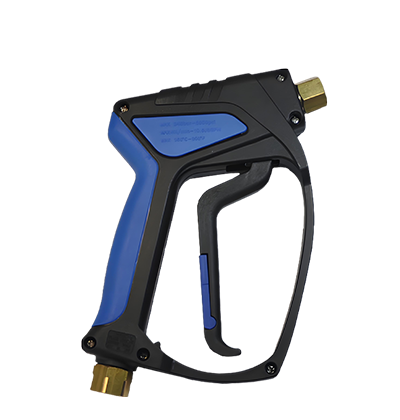
Many lever-action models include a lockable continuous-flow setting — a small mechanical detail that turns hours of finger fatigue into a single, comfortable grip.
Lever-action guns are common in car washing bays, farm equipment cleaning stations, and commercial washing facilities. Many models include a lockable "continuous flow" setting, allowing the operator to keep water running without holding the lever, which is useful for pre-soaking large surfaces before detailed cleaning.
Because these guns see heavier daily use, they are frequently constructed from reinforced polymer or brass internals rather than lightweight plastic, extending their service life to several years of daily commercial use when properly maintained.
Foam-generating washing spray guns mix water with a diluted detergent solution to produce a thick foam layer that clings to vertical and angled surfaces. This extended contact time allows cleaning agents to loosen dirt and grime before rinsing, which is especially valuable for washing spray gun for car detailing routines where paint protection matters.
Most foam guns include an internal reservoir or an inline canister where concentrated soap is drawn in and aerated as water passes through a mesh or restrictor. The foam-to-water ratio is often adjustable, letting users increase soap concentration for heavily soiled panels or reduce it for light maintenance washes.
Foam-generating guns are popular in automotive detailing, boat cleaning, and equipment washing where a gentler, chemical-assisted approach reduces the need for abrasive scrubbing that could scratch delicate surfaces.
Foam guns are not a substitute for rinsing — they are a pre-wash stage. Always follow with a clear-water rinse to prevent dried soap residue from marking the surface.
Multi-pattern washing spray guns allow the user to rotate or adjust the nozzle head to switch between a wide fan spray, a narrow jet, mist, and shower settings. This versatility makes them a practical all-purpose choice for households that need one tool for multiple tasks, from watering plants to washing spray gun for car exteriors.
| Spray Pattern | Best Application | Relative Force |
|---|---|---|
| Mist | Watering seedlings, light dust removal | Low |
| Shower | Rinsing soap from vehicles or furniture | Medium |
| Fan Spray | Cleaning wide flat surfaces like driveways | Medium-High |
| Jet Stream | Removing caked mud or stubborn stains | High |
This flexibility is why multi-pattern guns remain a top-selling category for households, offering roughly 4 to 8 adjustable settings in most consumer models.
High-pressure washing spray guns are designed to attach to electric or gasoline-powered pressure washer units rather than a standard garden hose. These guns handle significantly higher flow pressures, often ranging from 1,000 to 3,000 PSI, making them suitable for stripping old paint, removing oil stains from concrete, or deep-cleaning industrial equipment.
Because of the higher operating pressure, these guns require reinforced seals, metal internal components, and often a safety lock to prevent accidental discharge. The trigger mechanism is typically heavier-duty, built to withstand thousands of activation cycles without leaking.
High-pressure guns are generally not recommended as a washing spray gun for car paintwork unless a wide-fan nozzle tip and a safe standoff distance are used, since concentrated jet streams can damage clear coats or force water into seals and electrical components.
Long-lance washing spray guns extend the reach of the operator with a rigid rod, often between 0.5 and 2 meters long, positioned between the handle and the nozzle. This design is common in industrial and agricultural settings where operators need to clean elevated surfaces, deep tanks, or wide equipment without climbing or repositioning constantly.
Facilities that wash trucks, buses, shipping containers, or large machinery rely on long-lance guns to reach the roofline and undercarriage areas that a standard hand-held gun cannot access safely. Livestock and poultry facilities also use long-lance guns to clean pens and equipment from a safe distance.
While the extended reach improves efficiency, the added length increases overall weight and can make fine spray-pattern control more difficult, so long-lance guns are rarely chosen for detailed, close-range tasks.
Household and industrial washing spray guns differ across three main dimensions: material durability, pressure capacity, and duty cycle. Household units are optimized for occasional use, light weight, and low cost, while industrial units prioritize continuous operation, higher pressure tolerance, and corrosion-resistant components.
| Feature | Household Spray Gun | Industrial Spray Gun |
|---|---|---|
| Typical Material | ABS plastic, light polymer | Brass, stainless steel, reinforced polymer |
| Pressure Range | 40-80 PSI | 150-3,000 PSI |
| Duty Cycle | Occasional, weekend use | Continuous, multi-hour daily use |
| Typical Price Range | Low cost, entry-level | Higher investment, longer service life |
Understanding this divide helps buyers avoid mismatched purchases; an industrial-grade gun is unnecessary weight and cost for someone who only needs a washing spray gun for car cleaning once a week, while a household-grade gun will wear out quickly under daily commercial demands.
Selecting the correct washing spray gun comes down to matching four factors: the surface being cleaned, the frequency of use, the required spray pattern flexibility, and the compatible water source. The following checklist simplifies this decision process.
Following this sequence prevents the common error of buying based on price alone, which often results in a spray gun that cannot handle the intended cleaning frequency or surface type.
Matching the gun to the task — not the price tag — is the single decision that determines whether a purchase lasts one season or several years.
Regardless of type, washing spray guns share common wear points: the trigger spring, the nozzle seal, and the hose connection threads. Regular maintenance can extend a spray gun's usable life by two to three times compared to units that are left exposed to the elements year-round.
For a washing spray gun for car use specifically, rinsing the nozzle after each detailing session prevents dried soap residue from restricting the foam or fan spray settings.
Never leave a high-pressure spray gun connected and pressurized when unattended — a worn trigger spring can allow accidental discharge strong enough to cause injury.
Yes, a multi-pattern washing spray gun with adjustable settings can typically switch between a gentle mist for plants and a firmer shower or fan spray suitable for washing a vehicle, making it a practical single-purchase solution for most households.
A standard spray gun can rinse a vehicle effectively, but a foam-generating gun improves cleaning results by allowing soap to sit on the surface longer, which helps lift dirt before it is agitated, reducing the risk of surface scratching during washing.
Standard hose-fed spray guns operating at 40 to 80 PSI are generally considered safe for washing spray gun for car applications, since this range removes surface dirt without risking damage to paint or trim compared to high-pressure industrial equipment.
The right washing spray gun is never the most powerful one — it is the one built for the surface, the frequency, and the hands using it. Trigger and multi-pattern guns cover most household needs, foam guns protect delicate paintwork, and high-pressure or long-lance guns earn their place only where industrial duty cycles demand it. Choose deliberately, maintain consistently, and the gun will outlast the season it was bought for.
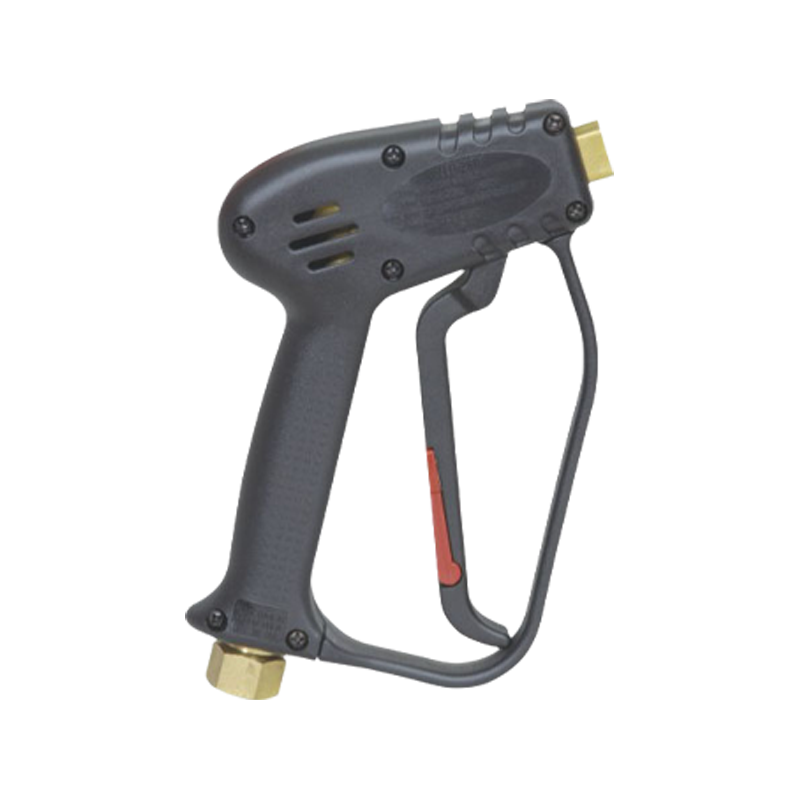
Soft grip industrial high pressure spray guns are specifically designed for high-pressure cleaning applications, utilizing water as the sole medium. These spray guns are engineered with a high-pressur...
See Details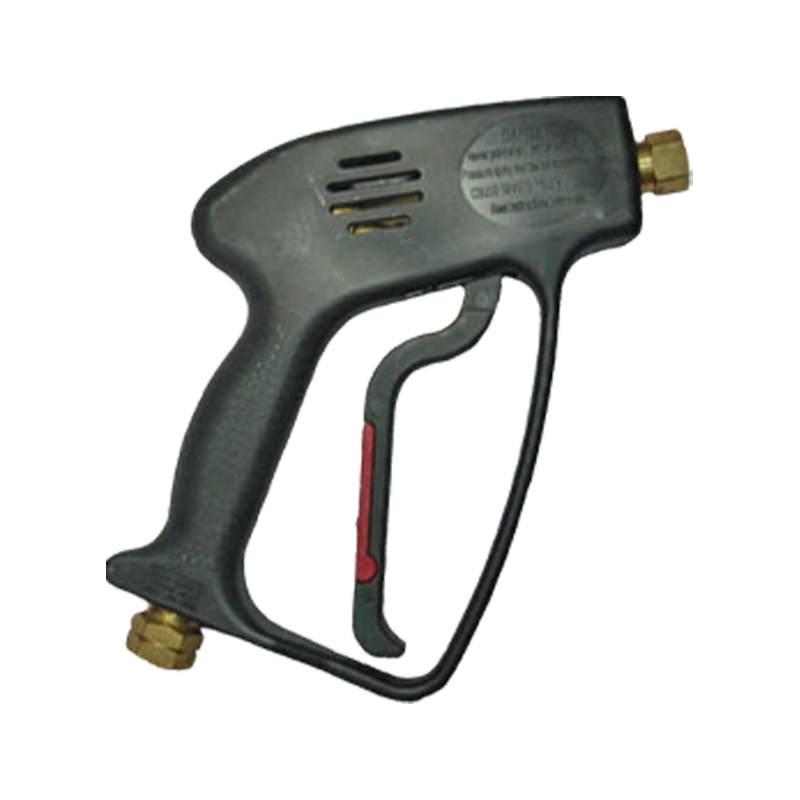
The Weep Trigger Spray Gun is an innovative water gun designed specifically to prevent high-pressure water pipes from freezing in winter. Its core feature is the small hole design at the spray gun val...
See Details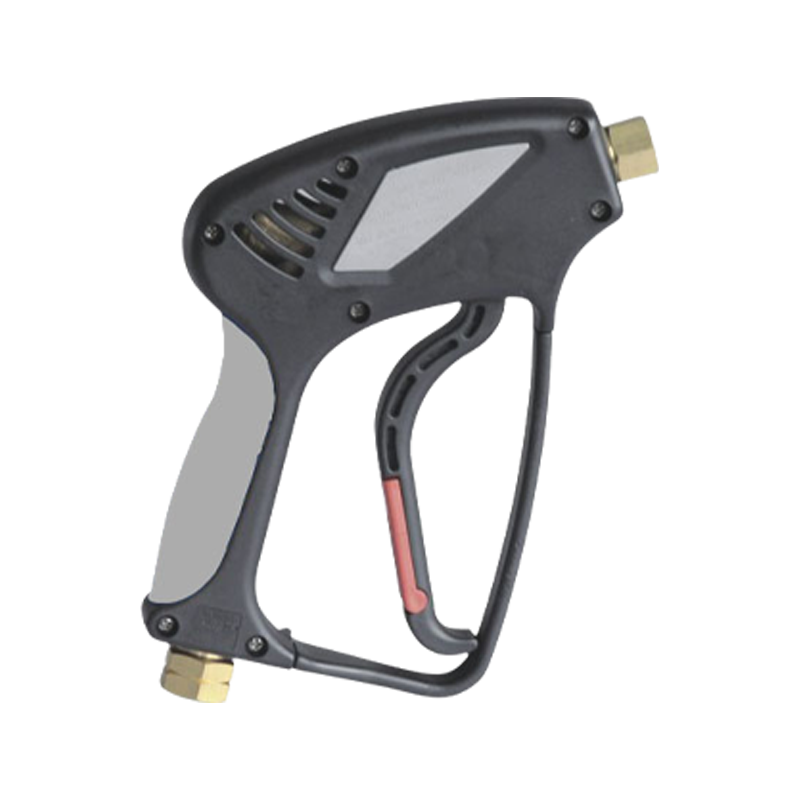
The high pressure power spray gun is an innovative cleaning equipment that integrates efficient cleaning and convenient operation. It uses high-pressure water flow to remove stubborn stains and is sui...
See Details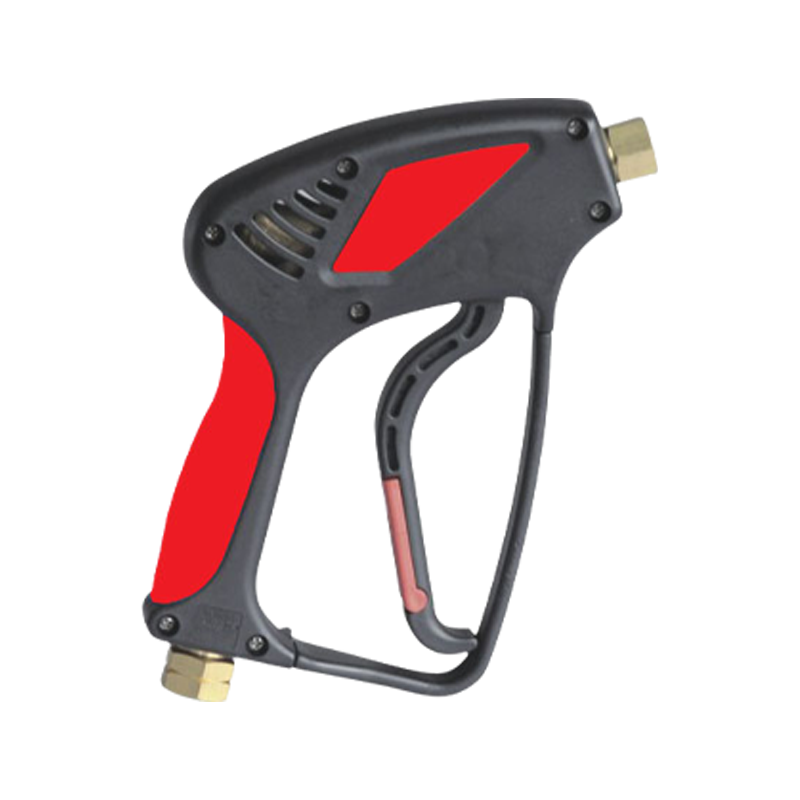
The high pressure cleaning spray gun is a standard configuration of a high pressure cleaning machine. The high-pressure water flow from the high-pressure cleaning machine passes through a high-pressur...
See Details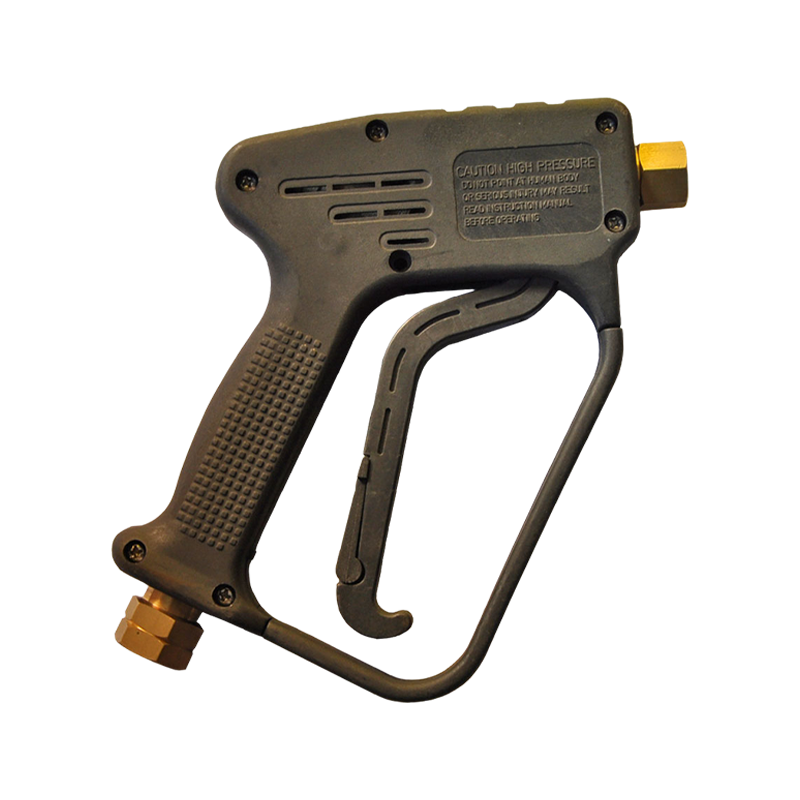
The carpet cleaning high pressure cleaning gun is a tool designed specifically for deep cleaning, using high-pressure water flow to efficiently remove dirt, dust, and stubborn stains from carpet fiber...
See Details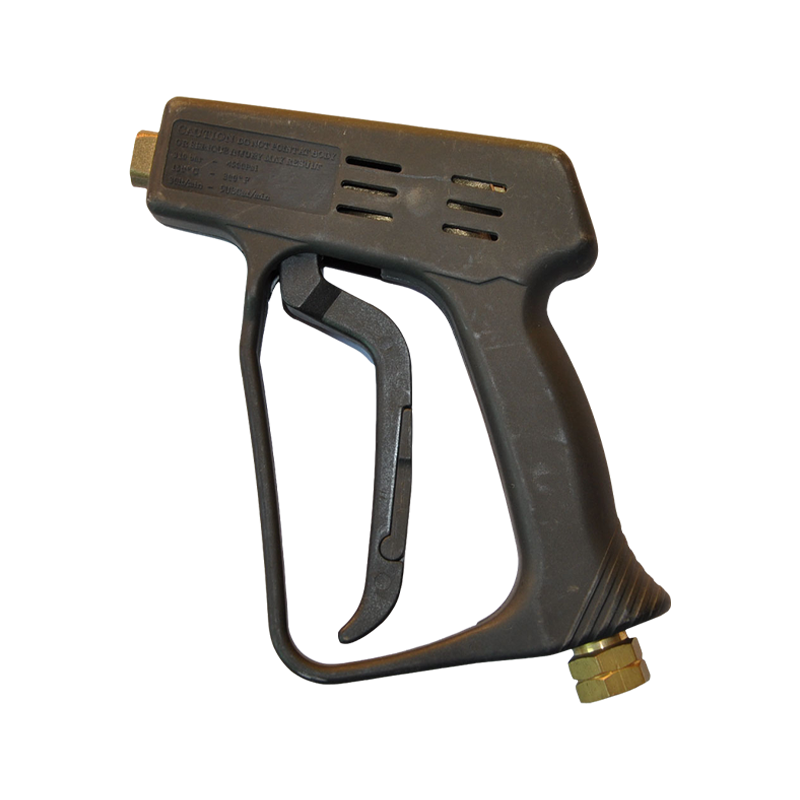
The 4500psi high pressure washing spray gun is a specialized tool designed for high-pressure liquid delivery and cleaning tasks, widely utilized in industrial cleaning, automotive maintenance, agricul...
See Details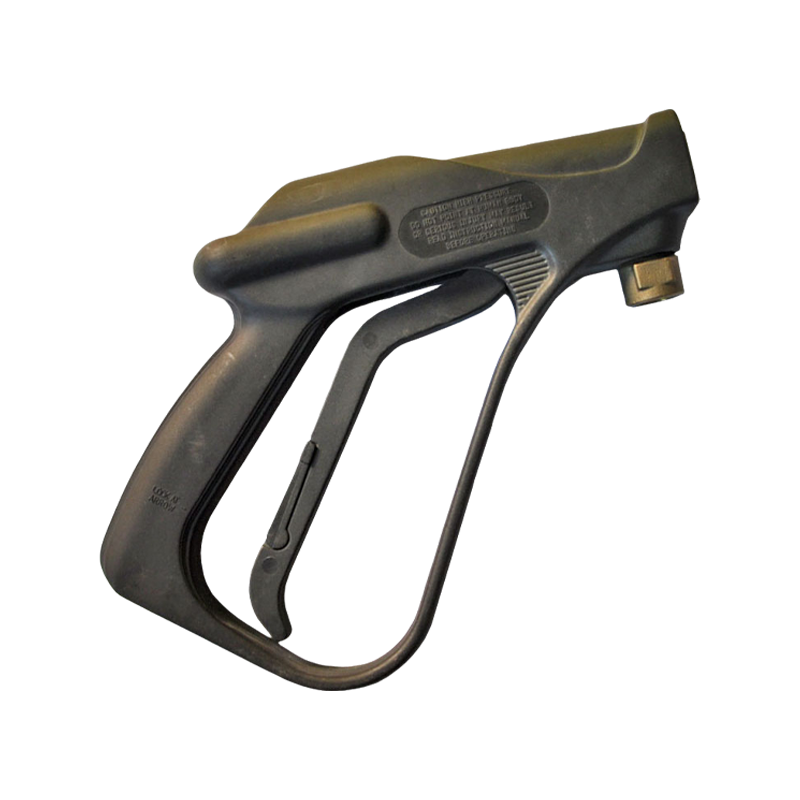
The brass outlet trigger spray gun is made of high-quality brass material and equipped with precise trigger design. Users can adjust the water flow rate and spray angle according to their needs to ach...
See Details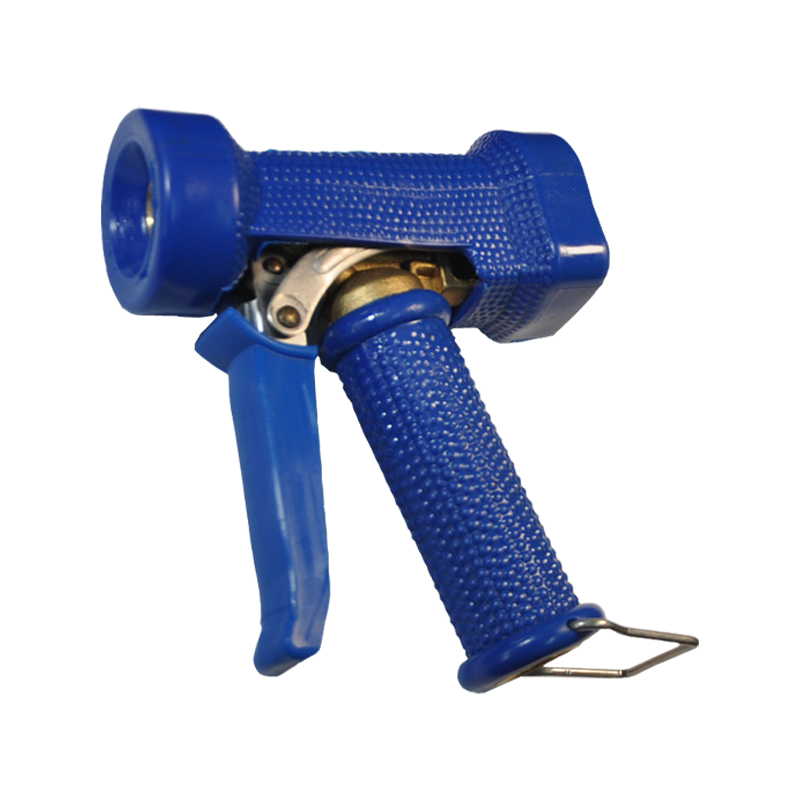
The heavy-duty brass flushing gun is specifically designed for low-pressure applications such as garden irrigation, dust suppression, and equipment cleaning. The ergonomic handle features an anti-slip...
See Details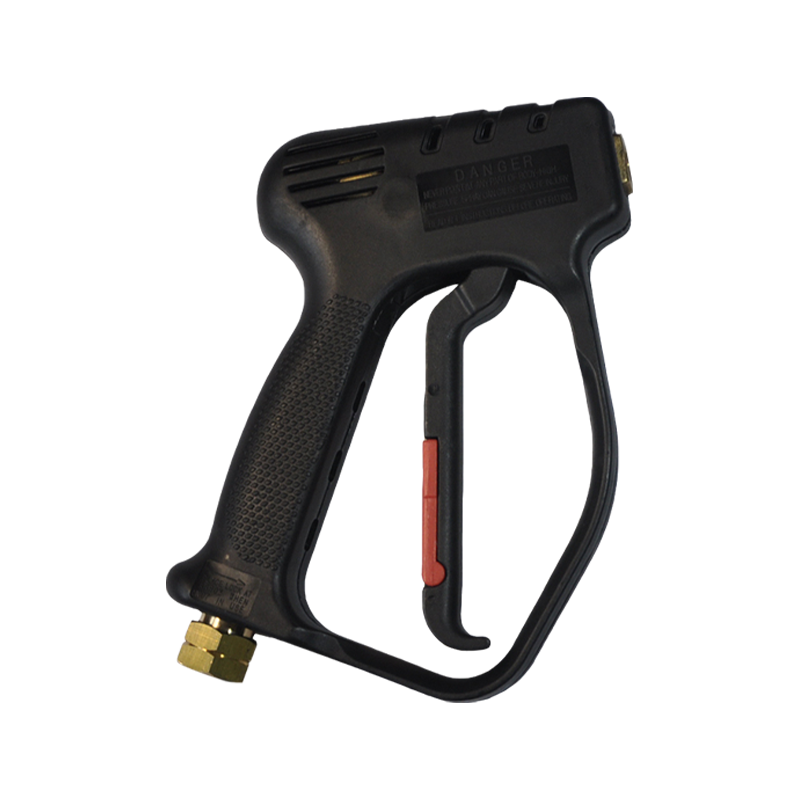
Industrial cleaning trigger spray gun is an efficient and durable cleaning equipment. Its internal sealing components are made of high-strength materials, effectively preventing leakage. Its design ca...
See Details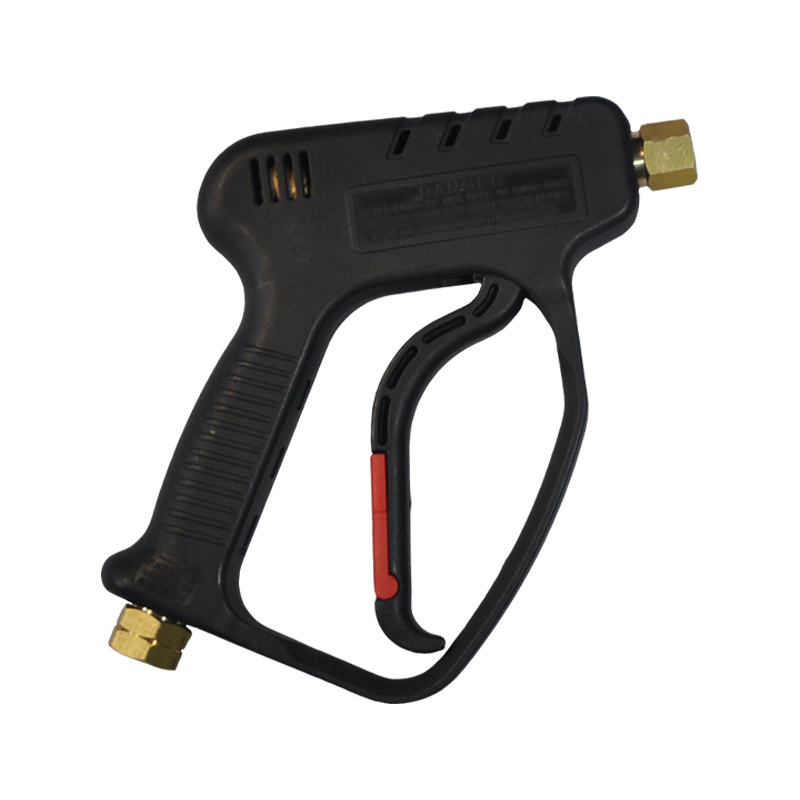
The portable handheld trigger spray gun is made of high-strength engineering plastics and/or metal materials, and the handheld part is coated with anti slip rubber to enhance the safety and comfort of...
See Details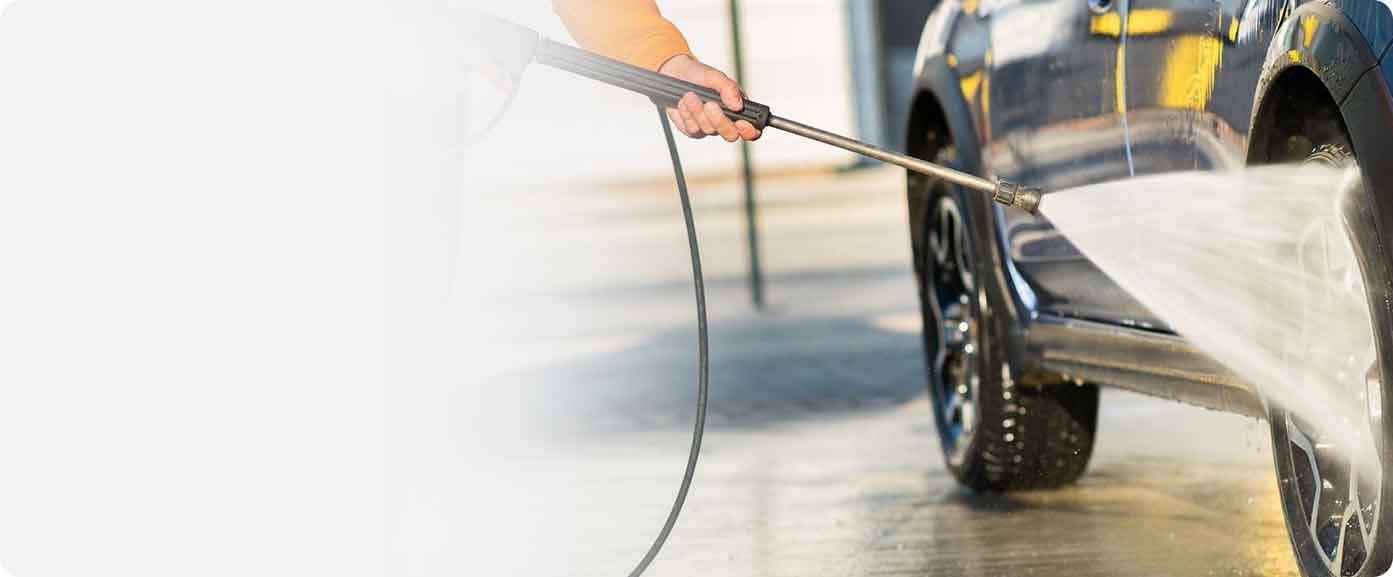
The basic structure and working principle of the foam sprayer Foam sprayer is a device that mixes liquid diluent and air and sprays in the form of foam. It is widely used in car washing, industrial cl...
See Details
What is a high Pressure Washer Water Broom? A high Pressure Washer Water Broom is an accessory tool designed to improve floor cleaning efficiency and is usually used in conjunction with a high-pressur...
See Details
Introduction: Demands and Challenges of Modern Car Washing In modern society, cars have become an indispensable means of transportation in daily life, and almost every family has one or more cars. Wit...
See Details
1. Understand the basic structure and working principle of high-pressure cleaning spray guns The basic structure of a high-pressure cleaning gun A high-pressure cleaning gun consists of multiple parts...
See Details
 +0086-13003738672