
 English
 русский
Industry News
HOME / NEWS / Industry News / Pressure Washer Lance Not Working? Diagnose and Fix Common Lance Problems

Picture this: yesterday the lance was throwing a tight, solid stream that tore through grime on the driveway. Today the same lance pulses, spits, and barely cleans a coffee stain. The pressure washer itself sounds fine, the hose is connected, and the gun trigger feels normal, so the problem sits somewhere in the lance. That is good news, because a lance is the most serviceable part of the whole pressure circuit, and most failures take less than fifteen minutes to diagnose.
A lance is a simple assembly: a rigid tube, a connector at the gun end, a nozzle at the discharge end, and in some designs an internal rotor that spins with the water flow. When the lance "stops working," the complaint almost always lands in one of four categories:
Each category has its own symptoms. Matching the symptom to the cause is the fastest route to a fix, and it also prevents replacing a perfectly good lance because of a low-cost O-ring.
Hard water scale, sand, and debris from the supply line are the most common cause of a lance that stops spraying properly. A piece of grit can wedge itself behind the spray tip, narrowing the orifice and turning a tight jet into a weak, pulsing spray. In severe cases, the nozzle is fully obstructed and the lance appears completely dead.
To check, disconnect the lance from the gun, remove the nozzle or the tip inside a rotating head, and hold it against a light source. If you cannot see through the orifice, flush the lance with clean water and clear the opening with a small wire or needle. Work gently: even a slight enlargement of the orifice changes the flow rate and pressure, so the goal is to remove debris, not to ream the hole.
If the nozzle is clear but the spray pattern is still uneven, the next suspect is a worn seal somewhere in the lance body.
Leaks rank second among lance failures. A visible drip where the lance meets the gun is the obvious sign of a failed O-ring. But an internal leak is just as common and much easier to miss: when the O-rings inside the connection or the swivel allow water to bypass the nozzle, pressure drops noticeably even though no water appears on the outside.
The repair is inexpensive. Replace the O-rings with seals rated for the operating pressure of your machine. Nitrile (NBR) O-rings are sufficient for domestic units, while machines running above 3000 psi need seals matched to that pressure. Lubricate the new O-ring lightly with silicone grease before assembly, because installing a dry seal can pinch or tear it and cause an immediate re-leak.
If your lance has a swivel joint, inspect it in the same pass. A stiff or internally leaking swivel robs pressure and makes the whole lance feel weak, even when the nozzle and O-rings are fine.
Rotating lances produce a different set of symptoms: water flows normally, the machine runs smoothly, but the tip no longer turns. This usually means debris has jammed the rotor or the internal bearing has worn out. It can also make the pressure washer cut in and out, because a seized rotor creates an irregular back-pressure that confuses the pump.
Start by checking the end nozzle for debris and seeing whether you can rotate the tip freely by hand. Flush the rotating assembly with clean water, then test again. If rotation does not return, the rotor or the complete rotating nozzle assembly has to be replaced. Do not force a seized rotor with pliers or a screwdriver: the housing is precision-machined, and any distortion of it creates a safety hazard at full operating pressure.
A replacement turbo nozzle rated for your machine's operating pressure will restore the rotating action, and choosing one with a hardened rotor material makes the repair last longer than the original part.
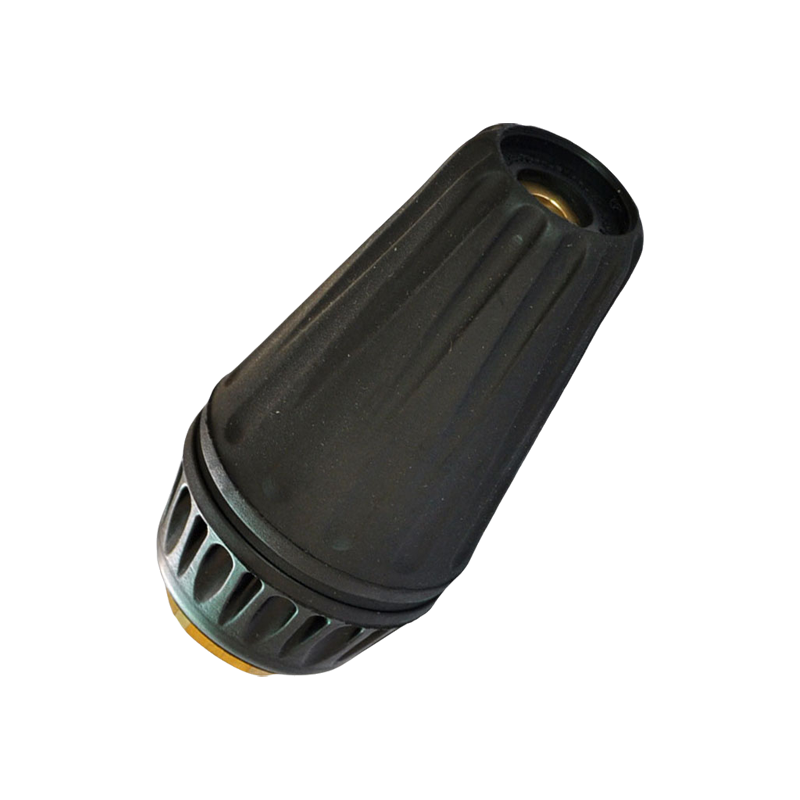 Wholesale High Pressure Turbo Nozzle Suppliers, Factory - Ningbo Yinzhou Baige MNingbo Yinzhou Baige Machinery Manufacturing Co., Ltd. is China wholesale High Pressure Turbo Nozzle factory and suppliers, details:The h...View Product →
Sometimes the lance is perfectly healthy and the connector is the real problem. On bayonet-style systems, the lance has to be pushed in fully and turned until the lock clicks. If the fit is slightly too tight, the connector does not seat completely and the machine loses pressure right at the junction. If the fit is too loose, the lance leaks or detaches under load.
Threaded M22 and G1/2 connections fail differently. Cross-threading can feel secure while still leaking under pressure, and over-tightening damages the seat so badly that no replacement O-ring will seal. Inspect both the male and female threads for galling or deformation. If the threads are intact, replace the O-ring. If they are damaged, replace the connector.
Quick-connect fittings deserve one more check: if the collar slides freely but the lance does not lock, the ball bearings inside the coupler are likely worn or missing. A new quick-release coupler plug restores a positive lock and eliminates the risk of the lance blowing off the gun at full pressure.
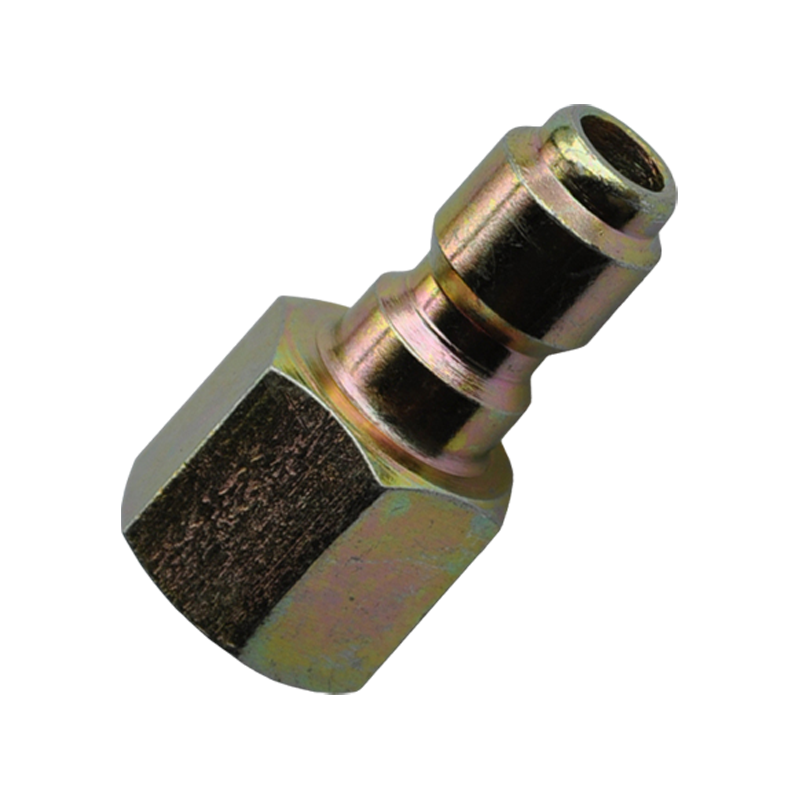 Wholesale Quick Release Coupler Plug Suppliers, Factory - Ningbo Yinzhou Baige MNingbo Yinzhou Baige Machinery Manufacturing Co., Ltd. is China wholesale Quick Release Coupler Plug factory and suppliers, details:The Q...View Product →
| Symptom | Likely Cause | Check | Fix |
|---|---|---|---|
| Weak or pulsing spray | Blocked nozzle or internal O-ring leak | Remove nozzle, inspect orifice; inspect O-rings | Clear debris; replace seals |
| Visible leak at the gun connection | Worn O-ring or damaged thread seat | Inspect O-ring and threads | Replace O-ring or connector |
| Rotating tip not spinning | Debris jamming rotor or worn bearing | Rotate tip by hand; flush assembly | Replace rotor or rotating nozzle |
| Lance will not attach or lock | Tight bayonet fit or worn coupler balls | Check seating and collar spring | Adjust fit or replace coupler |
The repair-or-replace decision comes down to three factors: the damaged component, the material of the lance, and the connection standard of your machine.
Blocked nozzles and worn O-rings are always worth repairing, because the parts are cheap and the labour is minimal. A damaged rotating mechanism is worth repairing only if the replacement rotor is available for your exact lance model; otherwise the complete rotating assembly is a safer purchase. Bent tubes and cracked nozzle seats are not repairable. A pressure-rated tube that has been bent or distorted can fail without warning, so replacement is the only sensible option.
Material matters just as much. Chrome-plated steel lances are common on domestic machines and perform well until the plating is scratched or pitted, after which corrosion starts inside the tube. A solid stainless steel lance barrel removes corrosion from the failure list entirely and is the better choice if you use detergents, work outdoors, or run the machine frequently.
 Wholesale Solid Handle Stainless Steel Spray Gun Barrel Suppliers, Factory - NinNingbo Yinzhou Baige Machinery Manufacturing Co., Ltd. is China wholesale Solid Handle Stainless Steel Spray Gun Barrel factory and suppl...View Product →
Finally, confirm the connection standard before ordering. A lance with a brand-specific bayonet connector is not interchangeable with an M22 threaded lance without an adapter. Check the thread type and the pressure rating of your machine, and buy a lance rated at or above that pressure. Specialist lance manufacturers list the pressure rating and connection type for every model, so the information is easy to verify before purchase.
Most lance failures share one origin: contaminated water. A simple inlet filter at the pump removes sand and scale before they reach the lance, and a chemical line filter stops particulates from being drawn into the detergent circuit. Replacing a filter element is far cheaper than replacing lances and nozzles.
Storage is the second factor. Lances left leaning against a wall or thrown into a tool bucket accumulate impacts that bend the tube and crack the nozzle seat. Store lances vertically or on a rack, and keep the protective cap over the quick-connect tip when the lance is off the machine.
Third, make inspection routine. Spin the rotating tip by hand before each use, check the swivel for stiffness, and look at the O-rings whenever you connect or disconnect the lance. Early detection turns a major repair into a minor one. Following the pressure washer spray gun safety guide also keeps the operator in the habit of checking connectors and seals before starting work.
A lance that stops working is rarely a mystery. Clear the nozzle first, then check the seals, the rotating assembly, and the connector in that order. Most cases end with a ten-minute cleaning or a low-cost O-ring replacement. If the damage is structural, replace the lance with one that matches your pressure rating and connection standard, and the same failure will not come back.
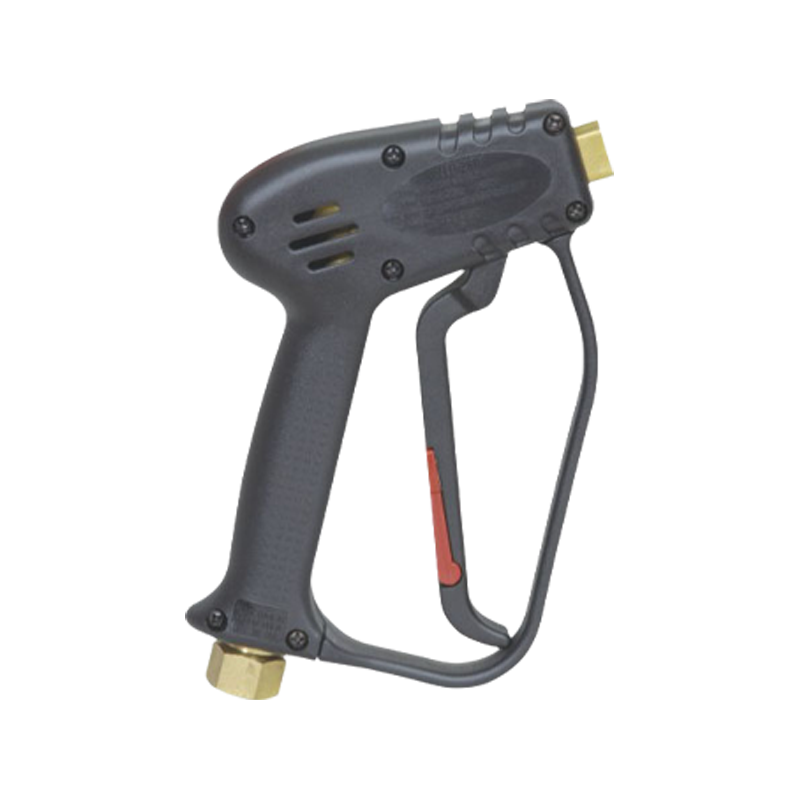
Soft grip industrial high pressure spray guns are specifically designed for high-pressure cleaning applications, utilizing water as the sole medium. These spray guns are engineered with a high-pressur...
See Details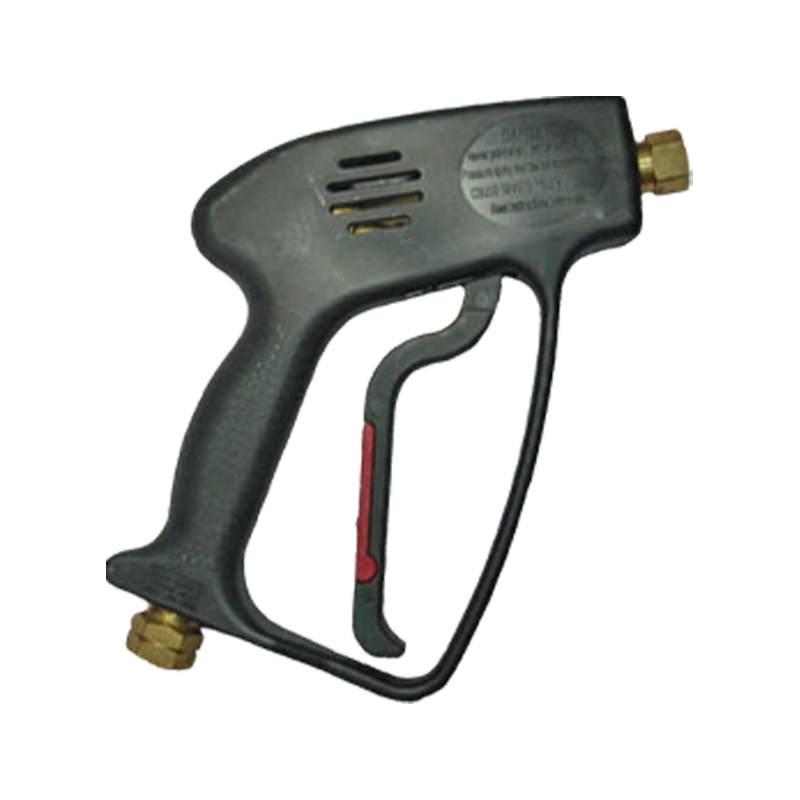
The Weep Trigger Spray Gun is an innovative water gun designed specifically to prevent high-pressure water pipes from freezing in winter. Its core feature is the small hole design at the spray gun val...
See Details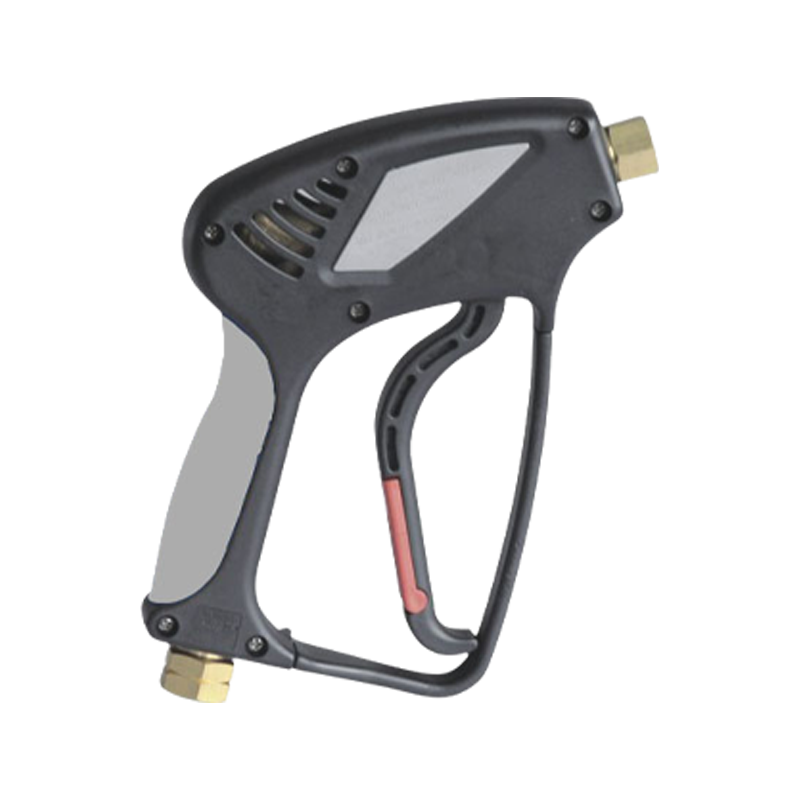
The high pressure power spray gun is an innovative cleaning equipment that integrates efficient cleaning and convenient operation. It uses high-pressure water flow to remove stubborn stains and is sui...
See Details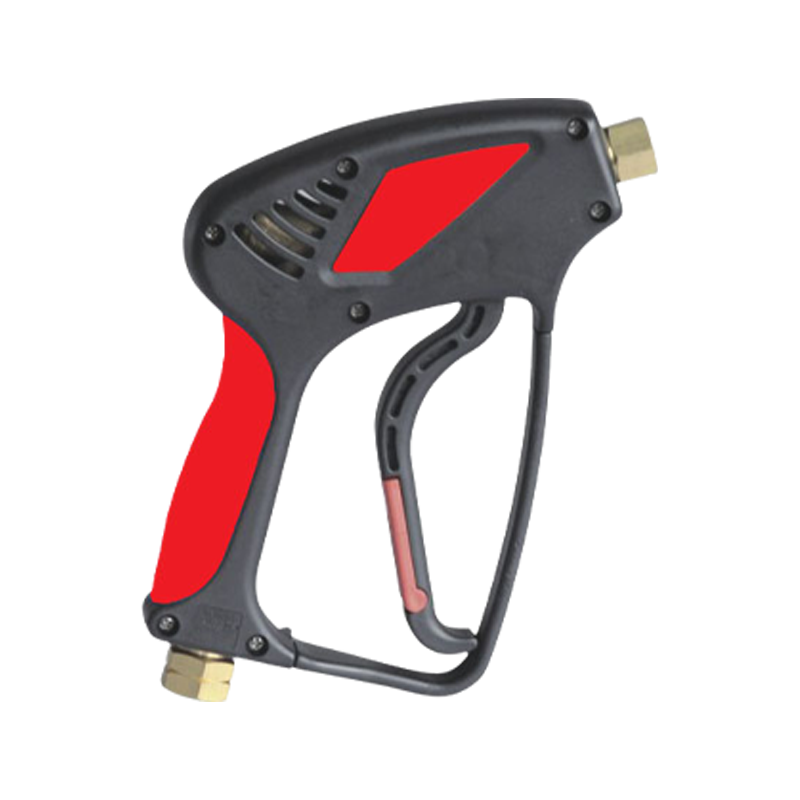
The high pressure cleaning spray gun is a standard configuration of a high pressure cleaning machine. The high-pressure water flow from the high-pressure cleaning machine passes through a high-pressur...
See Details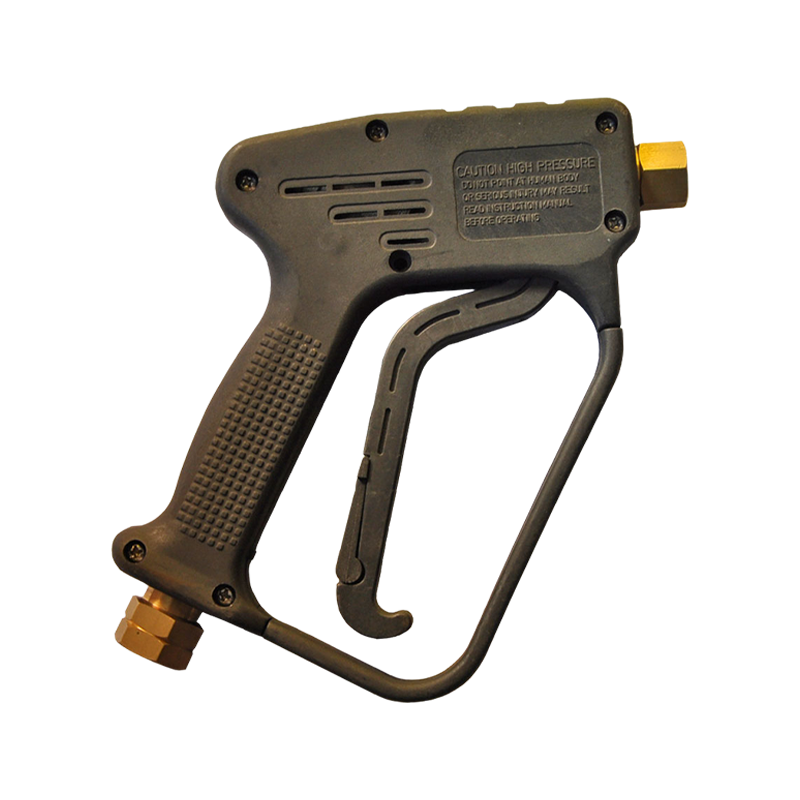
The carpet cleaning high pressure cleaning gun is a tool designed specifically for deep cleaning, using high-pressure water flow to efficiently remove dirt, dust, and stubborn stains from carpet fiber...
See Details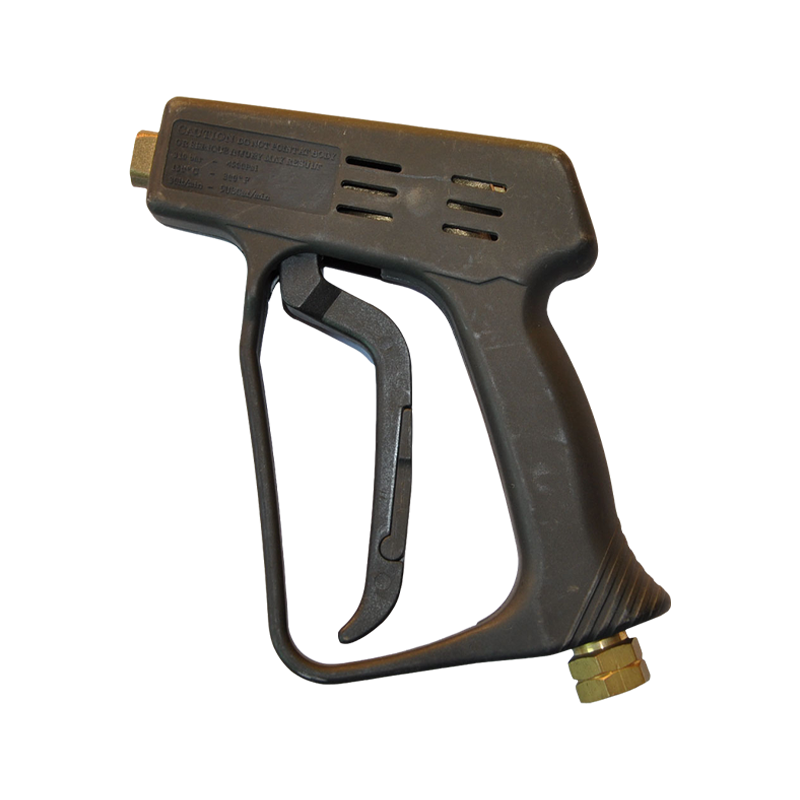
The 4500psi high pressure washing spray gun is a specialized tool designed for high-pressure liquid delivery and cleaning tasks, widely utilized in industrial cleaning, automotive maintenance, agricul...
See Details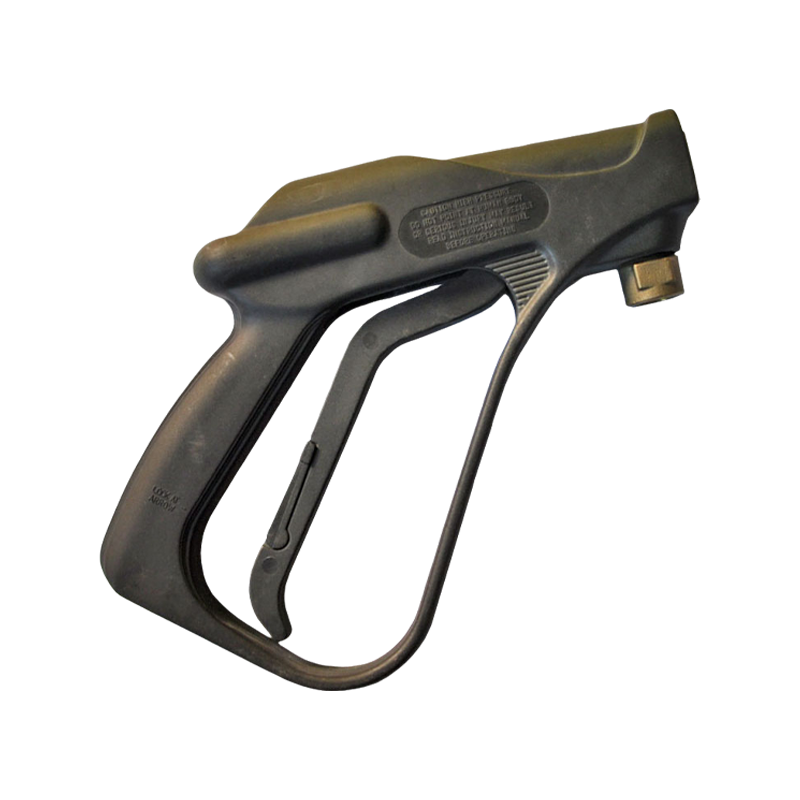
The brass outlet trigger spray gun is made of high-quality brass material and equipped with precise trigger design. Users can adjust the water flow rate and spray angle according to their needs to ach...
See Details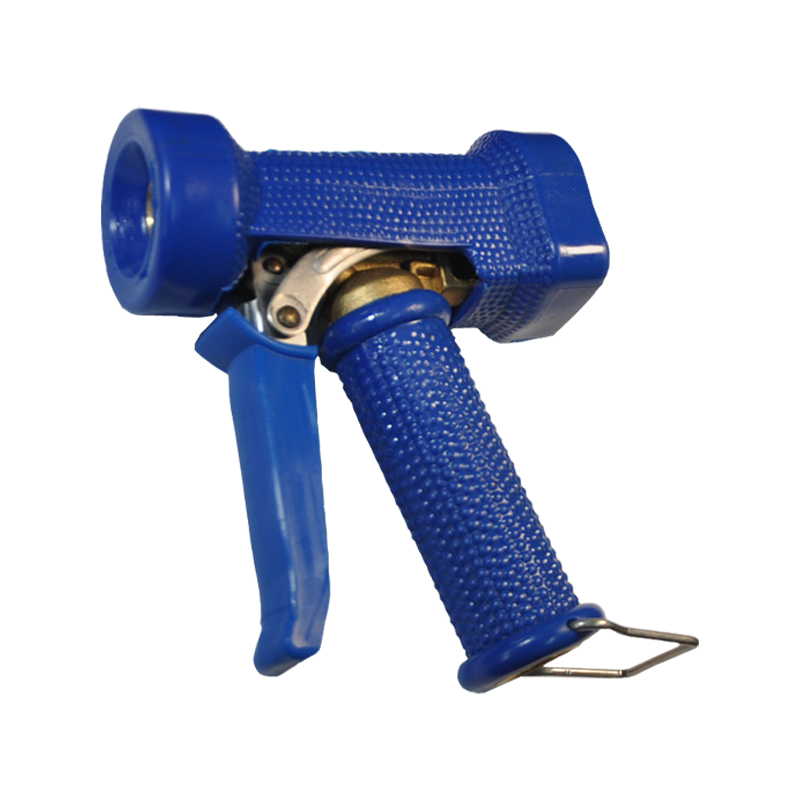
The heavy-duty brass flushing gun is specifically designed for low-pressure applications such as garden irrigation, dust suppression, and equipment cleaning. The ergonomic handle features an anti-slip...
See Details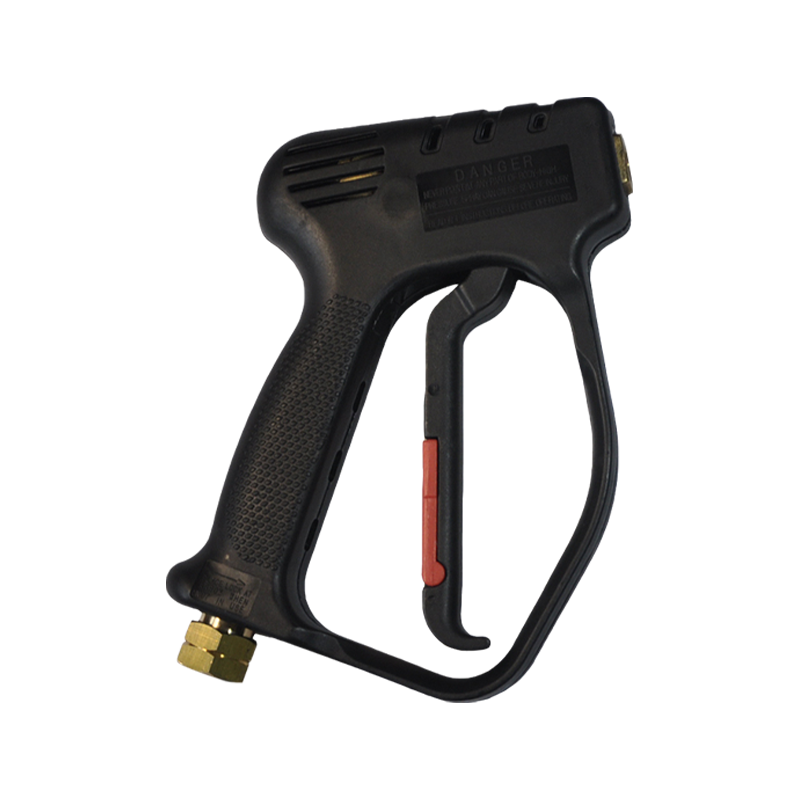
Industrial cleaning trigger spray gun is an efficient and durable cleaning equipment. Its internal sealing components are made of high-strength materials, effectively preventing leakage. Its design ca...
See Details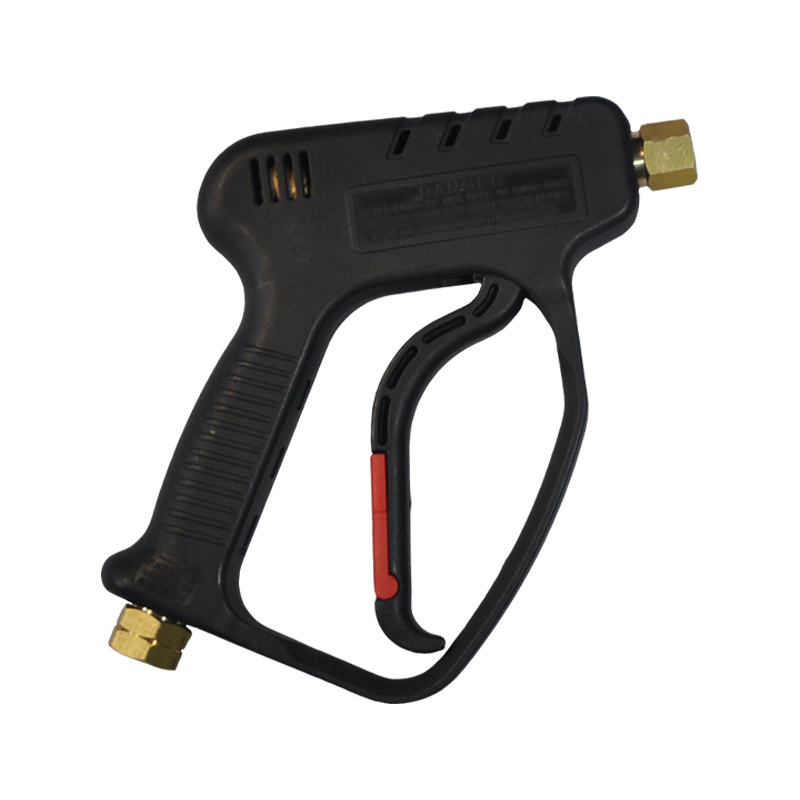
The portable handheld trigger spray gun is made of high-strength engineering plastics and/or metal materials, and the handheld part is coated with anti slip rubber to enhance the safety and comfort of...
See Details
The basic structure and working principle of the foam sprayer Foam sprayer is a device that mixes liquid diluent and air and sprays in the form of foam. It is widely used in car washing, industrial cl...
See Details
What is a high Pressure Washer Water Broom? A high Pressure Washer Water Broom is an accessory tool designed to improve floor cleaning efficiency and is usually used in conjunction with a high-pressur...
See Details
Introduction: Demands and Challenges of Modern Car Washing In modern society, cars have become an indispensable means of transportation in daily life, and almost every family has one or more cars. Wit...
See Details
1. Understand the basic structure and working principle of high-pressure cleaning spray guns The basic structure of a high-pressure cleaning gun A high-pressure cleaning gun consists of multiple parts...
See Details
 +0086-13003738672