The key difference between a Pressure Washer Filter and a Mesh Water Inlet Filter is how they balance filtration accuracy and water flow. In most situations, a Pressure Washer Filter provides better filtration accuracy and superior equipment protection, while a Mesh Water Inlet Filter typically delivers higher flow rates with less restriction.
A Pressure Washer Filter is designed to capture smaller contaminants such as fine sand, rust particles, sediment, and mineral deposits before they reach the pump. A Mesh Water Inlet Filter primarily blocks larger debris while allowing more water to pass through. As a result, Pressure Washer Filters are often preferred when protecting expensive pressure washer components is the top priority.
For most users, especially those drawing water from wells, storage tanks, rivers, or sediment-prone sources, a Pressure Washer Filter offers the best balance of performance and long-term equipment protection. Although it may slightly reduce flow compared to a coarse mesh filter, the added protection can significantly extend pump lifespan and reduce maintenance costs.
Filtration accuracy refers to the size of particles a filter can effectively remove from water. It is typically measured in microns. A lower micron rating means finer filtration and greater protection against small contaminants.
Pressure washer pumps contain precision components that can be damaged by abrasive particles. Even small amounts of sand or rust can gradually wear seals, valves, pistons, and nozzles. Therefore, filtration accuracy directly impacts equipment reliability and service life.
Many Pressure Washer Filters operate between 40 and 100 microns, while Mesh Water Inlet Filters commonly range from 80 to 300 microns. This difference explains why Pressure Washer Filters provide better protection against microscopic debris.
Flow rate measures the amount of water that can pass through a filter over time. It is usually expressed in gallons per minute (GPM) or liters per minute (LPM). Pressure washers require adequate flow to maintain consistent cleaning performance and operating pressure.
When a filter becomes too restrictive, the pump may struggle to draw sufficient water. This can lead to reduced cleaning efficiency, unstable pressure, cavitation, and increased wear on internal components.
There is always a trade-off between filtration accuracy and flow rate. Smaller filter openings capture more contaminants but create greater resistance to water movement. Larger openings allow water to flow more freely but permit smaller particles to pass through.
For example, a coarse Mesh Water Inlet Filter may support flow rates exceeding 8 GPM with minimal restriction, while a finer Pressure Washer Filter may slightly reduce available flow under identical conditions. However, in most residential and commercial applications, the difference is small enough that users benefit more from improved filtration than from marginally higher flow.
| Feature | Pressure Washer Filter | Mesh Water Inlet Filter |
|---|---|---|
| Typical Micron Rating | 40–100 Microns | 80–300 Microns |
| Pump Protection | Excellent | Moderate |
| Flow Restriction | Moderate | Low |
| Debris Removal Capability | Fine and Coarse Particles | Primarily Large Debris |
| Maintenance Frequency | Moderate to High | Low to Moderate |
| Best Application | Sediment-Prone Water Sources | Clean Water Supplies |
The effectiveness of either filter depends heavily on the quality of the incoming water supply. Users should evaluate their water source before selecting a filtration solution.
Municipal water is generally treated and filtered before reaching consumers. In many cases, a Mesh Water Inlet Filter provides adequate protection because the water contains relatively low levels of suspended solids.
Well water frequently contains sand, silt, mineral deposits, and organic particles. Under these conditions, a Pressure Washer Filter becomes significantly more valuable because it prevents abrasive materials from entering the pump.
Water stored in tanks can accumulate sediment over time. Users relying on stored water often benefit from high pressure water filters that remove contaminants before they circulate through cleaning equipment.
One of the most important considerations is long-term pump protection. Pressure washer pumps operate under high loads and can be expensive to repair or replace. Small abrasive particles gradually erode internal surfaces and reduce efficiency.
A Pressure Washer Filter reduces this risk by removing contaminants before they enter the pump. While a Mesh Water Inlet Filter can stop larger debris, it may allow smaller particles to pass through, resulting in cumulative wear over time.
For users who operate their equipment frequently, even a modest improvement in filtration can translate into years of additional service life. This is one reason why professional operators often prioritize filtration accuracy over maximum flow.
Every filter requires periodic maintenance to maintain performance. As contaminants accumulate, flow rates decrease and pressure losses become more noticeable.
Because Pressure Washer Filters capture finer particles, they generally require more frequent cleaning. However, the additional maintenance is often justified by the increased protection they provide.
High pressure water filters are particularly beneficial when equipment operates in demanding environments. Users should strongly consider these filtration solutions when:
In these situations, the benefits of improved filtration typically outweigh the small reduction in water flow.
The primary difference between a Pressure Washer Filter and a Mesh Water Inlet Filter comes down to filtration precision versus flow efficiency. Pressure Washer Filters provide finer filtration, better contaminant removal, and superior pump protection, while Mesh Water Inlet Filters offer higher flow rates and lower restriction.
For users working with clean municipal water, a Mesh Water Inlet Filter may be sufficient. However, for well water, stored water, or any source containing sediment, a Pressure Washer Filter is usually the better investment. The improved filtration reduces wear, lowers maintenance costs, and helps preserve consistent cleaning performance.
Most professionals and experienced users favor high pressure water filters because they deliver the strongest combination of equipment protection, filtration accuracy, and long-term value.
Soft grip industrial high pressure spray guns are specifically designed for high-pressure cleaning applications, utilizing water as the sole medium. These spray guns are engineered with a high-pressur...
See Details
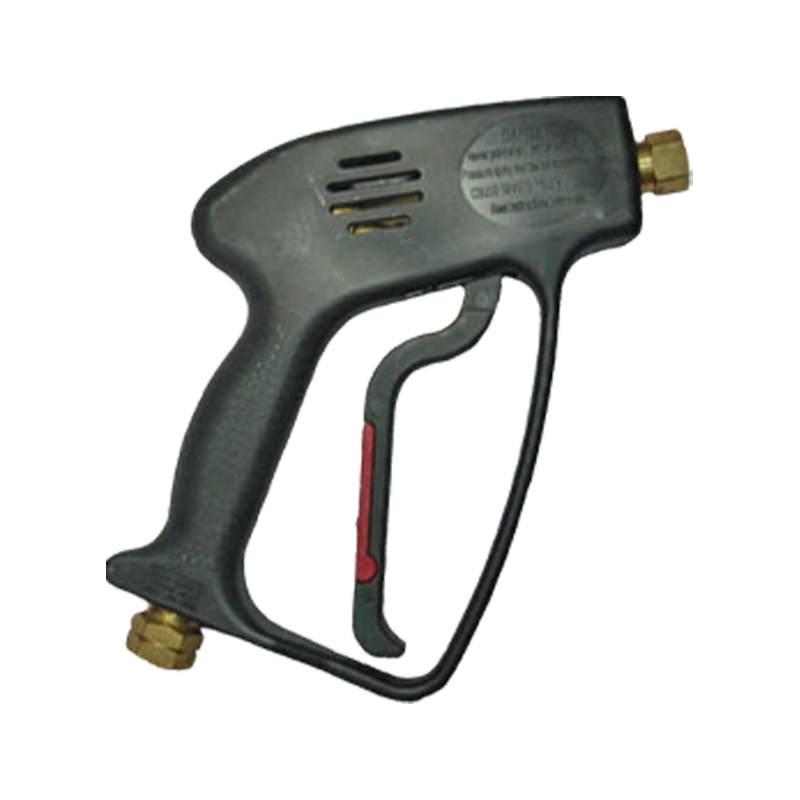
The Weep Trigger Spray Gun is an innovative water gun designed specifically to prevent high-pressure water pipes from freezing in winter. Its core feature is the small hole design at the spray gun val...
See Details
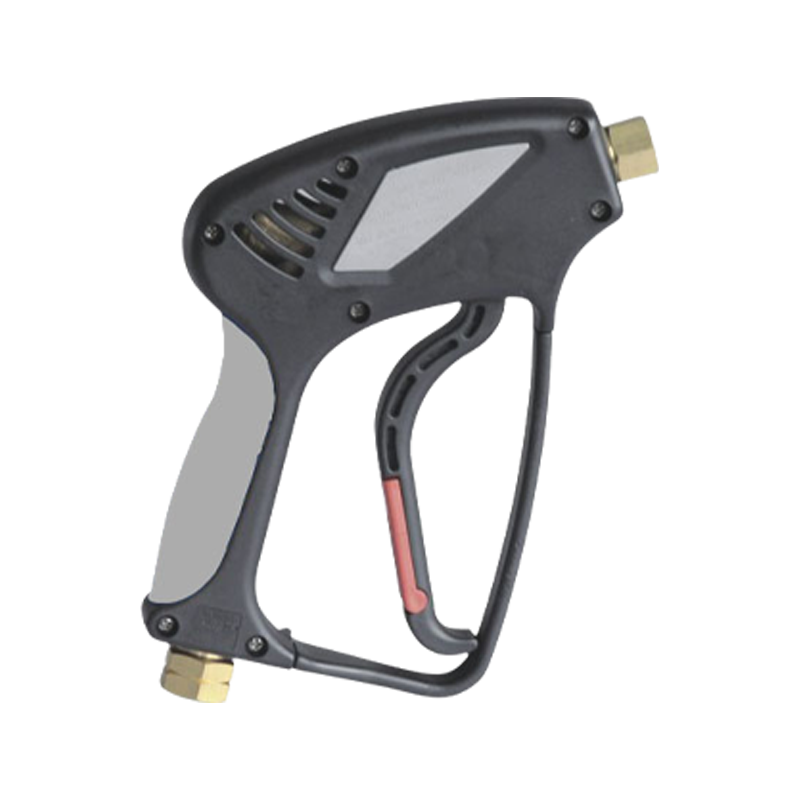
The high pressure power spray gun is an innovative cleaning equipment that integrates efficient cleaning and convenient operation. It uses high-pressure water flow to remove stubborn stains and is sui...
See Details
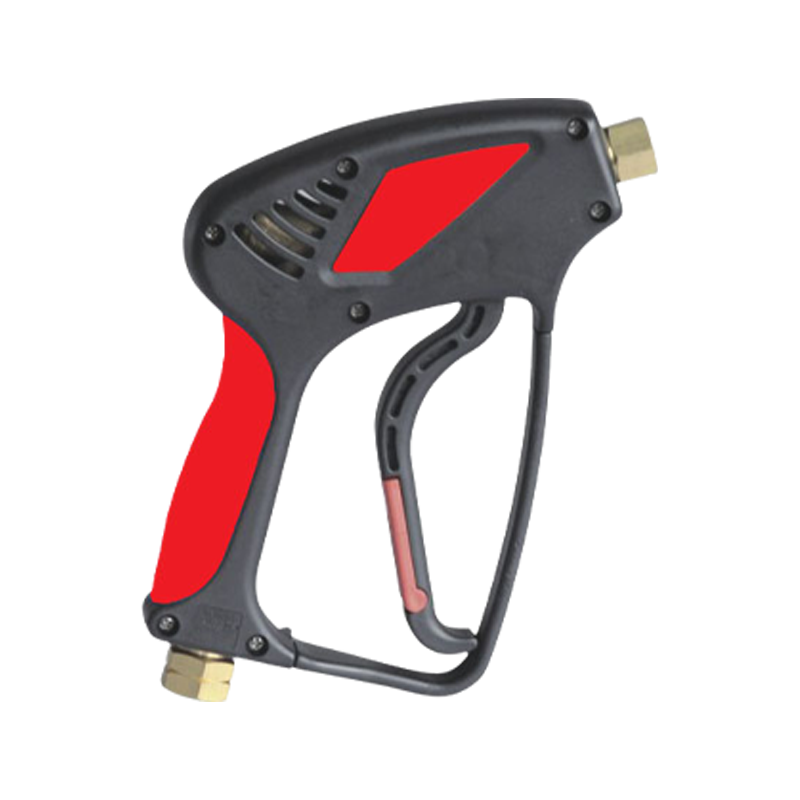
The high pressure cleaning spray gun is a standard configuration of a high pressure cleaning machine. The high-pressure water flow from the high-pressure cleaning machine passes through a high-pressur...
See Details
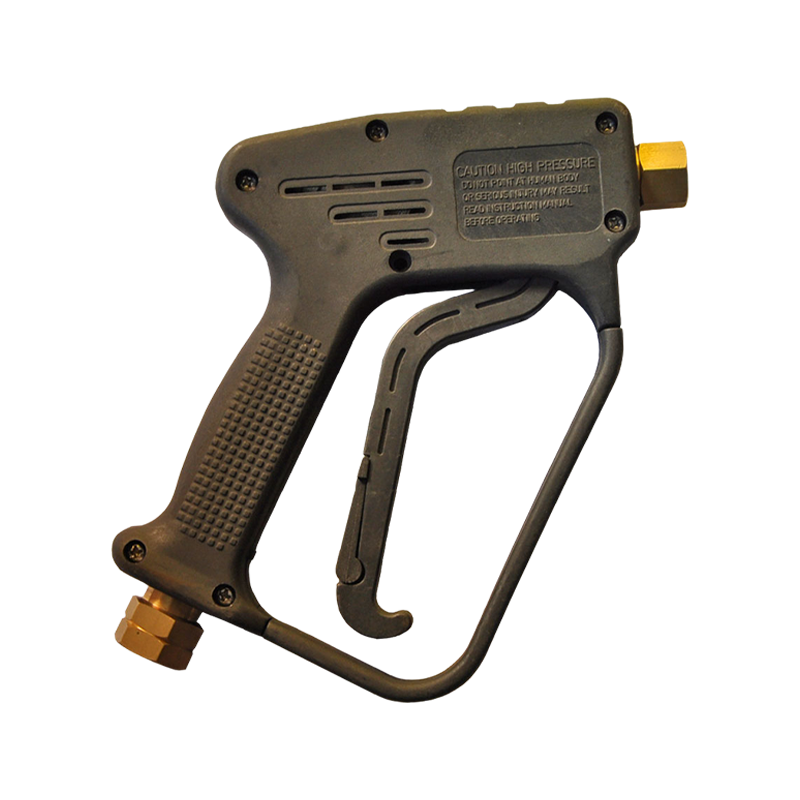
The carpet cleaning high pressure cleaning gun is a tool designed specifically for deep cleaning, using high-pressure water flow to efficiently remove dirt, dust, and stubborn stains from carpet fiber...
See Details
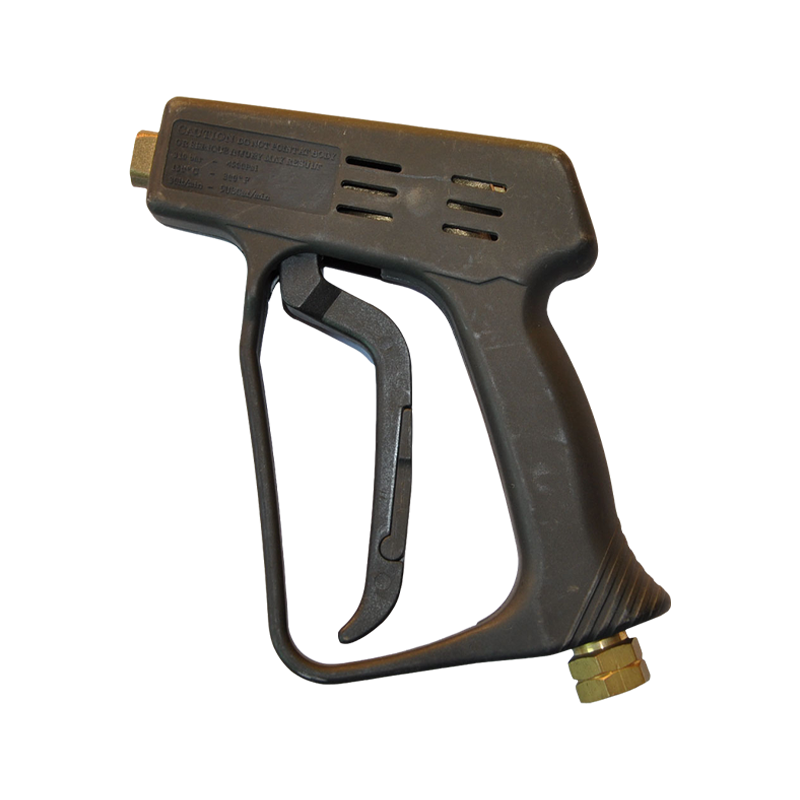
The 4500psi high pressure washing spray gun is a specialized tool designed for high-pressure liquid delivery and cleaning tasks, widely utilized in industrial cleaning, automotive maintenance, agricul...
See Details
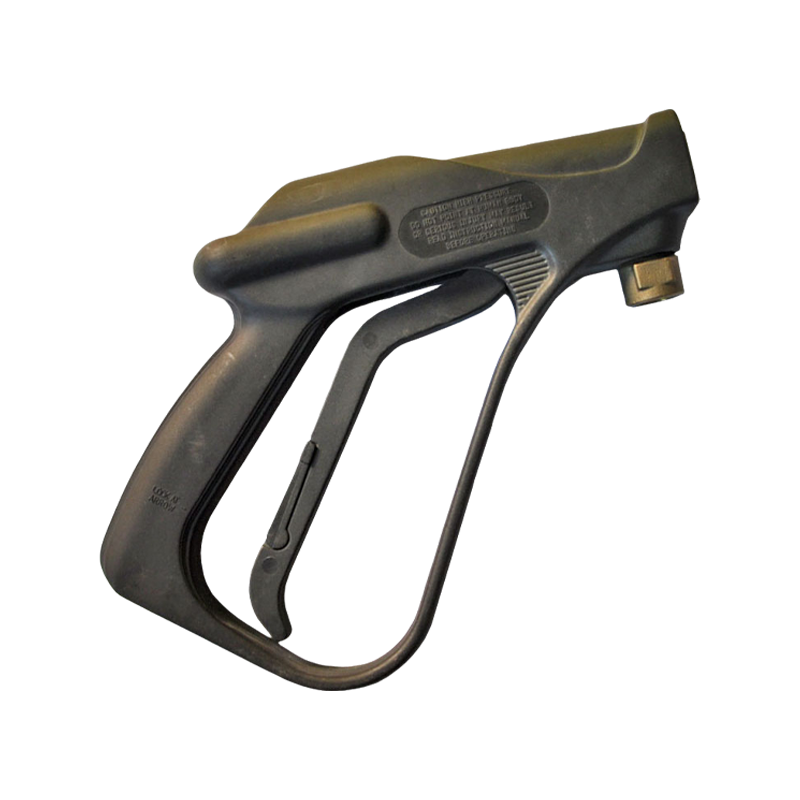
The brass outlet trigger spray gun is made of high-quality brass material and equipped with precise trigger design. Users can adjust the water flow rate and spray angle according to their needs to ach...
See Details
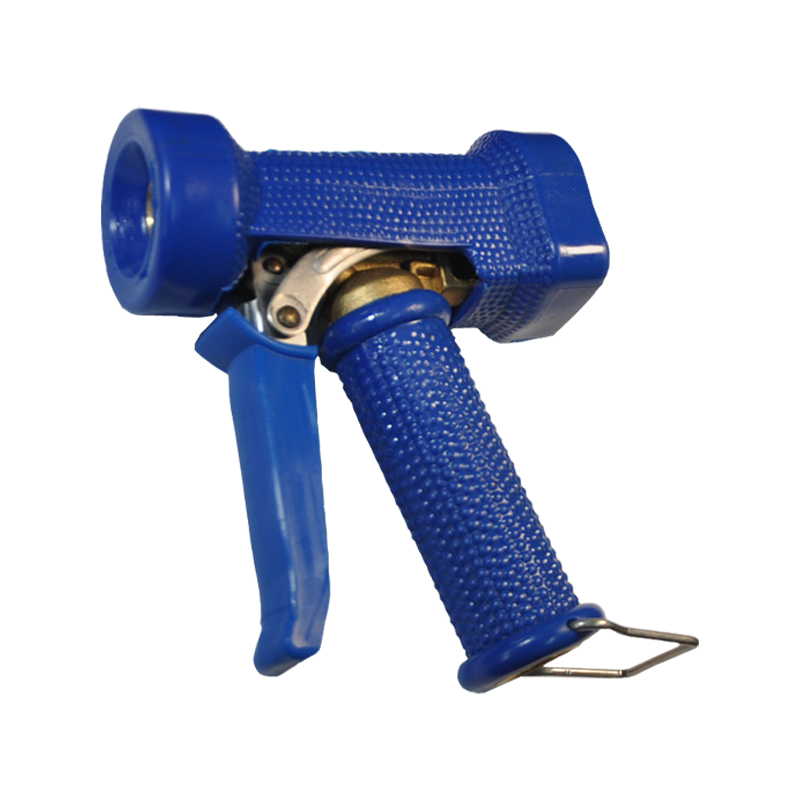
The heavy-duty brass flushing gun is specifically designed for low-pressure applications such as garden irrigation, dust suppression, and equipment cleaning. The ergonomic handle features an anti-slip...
See Details
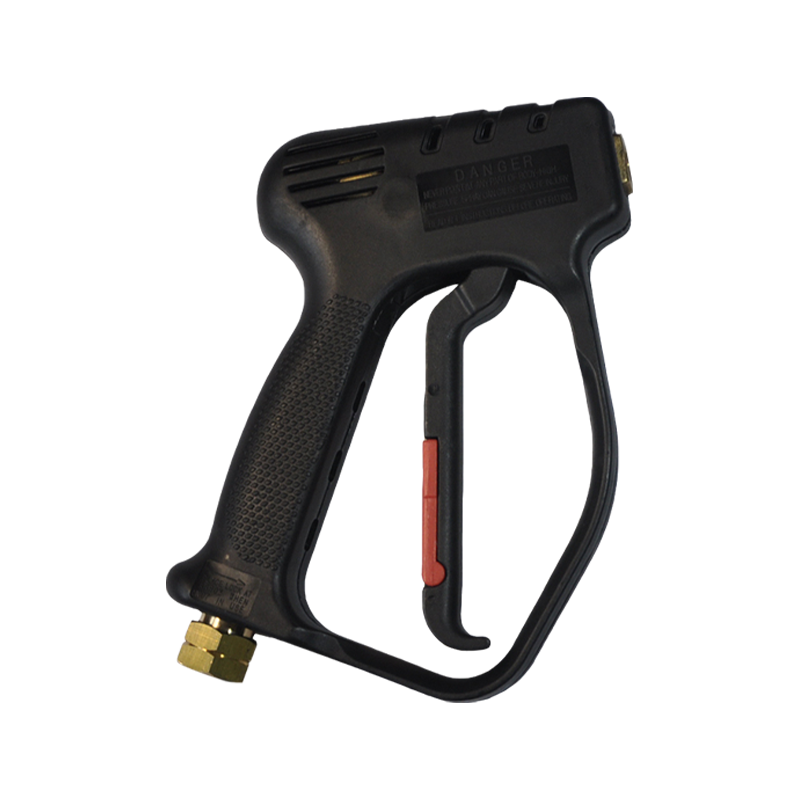
Industrial cleaning trigger spray gun is an efficient and durable cleaning equipment. Its internal sealing components are made of high-strength materials, effectively preventing leakage. Its design ca...
See Details
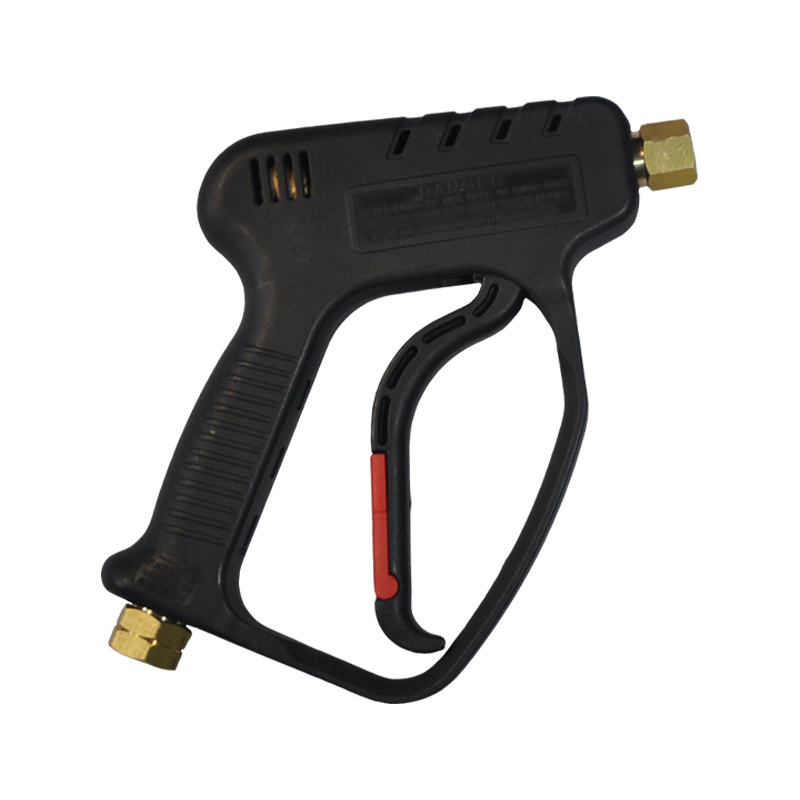
The portable handheld trigger spray gun is made of high-strength engineering plastics and/or metal materials, and the handheld part is coated with anti slip rubber to enhance the safety and comfort of...
See Details

The basic structure and working principle of the foam sprayer Foam sprayer is a device that mixes liquid diluent and air and sprays in the form of foam. It is widely used in car washing, industrial cl...
See Details

What is a high Pressure Washer Water Broom? A high Pressure Washer Water Broom is an accessory tool designed to improve floor cleaning efficiency and is usually used in conjunction with a high-pressur...
See Details

Introduction: Demands and Challenges of Modern Car Washing In modern society, cars have become an indispensable means of transportation in daily life, and almost every family has one or more cars. Wit...
See Details

1. Understand the basic structure and working principle of high-pressure cleaning spray guns The basic structure of a high-pressure cleaning gun A high-pressure cleaning gun consists of multiple parts...
See Details