When evaluating long-term reliability in fluid and pneumatic systems, one of the most critical performance metrics is connect/disconnect cycle life before seal degradation. A well-engineered Ball Quick Coupling typically withstands 10,000 to 25,000 connect/disconnect cycles before measurable seal wear occurs, depending on media, pressure, and seal material. In contrast, a standard push-to-connect pneumatic fitting generally performs reliably for 5,000 to 10,000 cycles under comparable conditions. This gap in durability has significant implications for maintenance schedules, total cost of ownership, and system downtime — especially in high-frequency industrial applications.
The cycle life of a Ball Quick Coupling is governed by several interrelated mechanical and material factors. Unlike push-to-connect fittings, which rely on a collet-and-O-ring mechanism that compresses with every insertion, a Ball Quick Coupling uses hardened ball bearings to lock the coupling body. This mechanism distributes mechanical stress more evenly across the sealing surface, reducing localized wear.
Key factors influencing seal longevity include:
Many engineers also specify brass quick coupling variants for moderate-pressure pneumatic and water applications, where the inherent corrosion resistance of brass reduces debris generation and helps preserve seal surfaces over extended cycles.
Push-to-connect pneumatic fittings — commonly seen in brands of fittings following the ISO 6150-B profile — use a collet system with an integrated O-ring. Each insertion of a tube or male stem compresses and drags the O-ring, introducing micro-abrasion with every cycle. This design prioritizes tool-free speed of connection, which is ideal for low-frequency reconfiguration but less suited to high-cycle industrial automation.
Typical performance benchmarks for push-to-connect fittings under standard pneumatic test conditions (6–8 bar air, ambient temperature, clean dry air per ISO 8573-1 Class 1):
This contrasts with Ball Quick Coupling failure modes, which are more abrupt and detectable through increased connection force rather than leakage — giving maintenance teams a clearer early-warning signal before seal breach occurs.
The table below summarizes the cycle life and key sealing characteristics of Ball Quick Couplings versus push-to-connect pneumatic fittings across typical application conditions:
| Parameter | Ball Quick Coupling | Push-to-Connect Pneumatic Fitting |
|---|---|---|
| Typical Cycle Life (rated pressure) | 10,000 – 25,000 cycles | 5,000 – 10,000 cycles |
| Seal Mechanism | Ball-lock with face/radial seal | Collet + O-ring compression |
| Max Working Pressure | Up to 700 bar (hydraulic grade) | Typically 6–16 bar |
| Seal Material Options | NBR, VITON, EPDM, PTFE | NBR, EPDM, Silicone |
| Early Failure Warning | Increased connection force | Gradual leakage increase |
| Body Material (common) | Steel, stainless steel, brass | Brass, nickel-plated brass, PA |
| Connection Method | Manual sleeve pull/push | Tool-free push insertion |
| Fluid Compatibility | Hydraulic oil, water, chemicals | Compressed air, inert gases |
Understanding cycle life becomes especially important in high-frequency industrial environments. Consider the following scenarios:
In robotic welding cells or CNC tool changers, a coupling may be connected and disconnected 30 to 60 times per hour. Over a standard 250-day working year with two shifts, this translates to 360,000 to 720,000 cycles annually. A push-to-connect fitting rated at 8,000 cycles would fail within days. A Ball Quick Coupling rated at 20,000 cycles used in this context requires either premium-grade seals (VITON, reinforced PTFE) or a planned seal replacement program at defined intervals.
Hydraulic test rigs used for component qualification frequently connect and disconnect units under live pressure. In these setups, a Ball Quick Coupling with double-shutoff configuration and VITON seals is preferred. Test facilities operating at 10–20 cycles per day can expect 3 to 6 years of seal life from a high-grade coupling before scheduled maintenance is needed.
At the lighter end of the application spectrum, quick connect brass hose fittings are widely used in garden, irrigation, and light industrial water systems. These applications typically involve fewer daily cycles — often 2 to 10 per day — meaning even a standard NBR-sealed Ball Quick Coupling in a brass quick coupling body will provide 5 to 10 years of reliable service under normal usage. The inherent corrosion resistance and machinability of brass make it the preferred body material for water-contact applications in this segment.
Regardless of the rated cycle life, field performance can be significantly improved by following best practices:
The decision between a Ball Quick Coupling and a push-to-connect pneumatic fitting should not be based solely on purchase price. A push-to-connect fitting may cost 30–60% less upfront, but if it requires replacement every 5,000 cycles versus a Ball Quick Coupling that lasts 20,000 cycles, the total cost of ownership — including downtime, labor, and replacement parts — strongly favors the Ball Quick Coupling in any medium-to-high cycle application.
For low-pressure water and compressed air systems operating below 16 bar with moderate cycle frequency, quick connect brass hose fittings in a Ball Quick Coupling format offer an excellent balance of cycle life, corrosion resistance, and cost. A brass quick coupling body with NBR seals in this context is a proven, cost-effective solution widely used across plumbing, HVAC, and light industrial sectors.
For high-pressure hydraulic circuits, automated machinery, or chemically aggressive media, a stainless steel or carbon steel Ball Quick Coupling with VITON or PTFE seals is the specification of choice — delivering up to 25,000 cycles before first seal service and providing clear mechanical warning before any seal failure compromises system integrity.
Ball Quick Couplings offer 2 to 5 times the cycle life of comparable push-to-connect pneumatic fittings, with superior pressure ratings, broader media compatibility, and more predictable failure modes — making them the professional's choice for demanding, high-frequency connection applications.
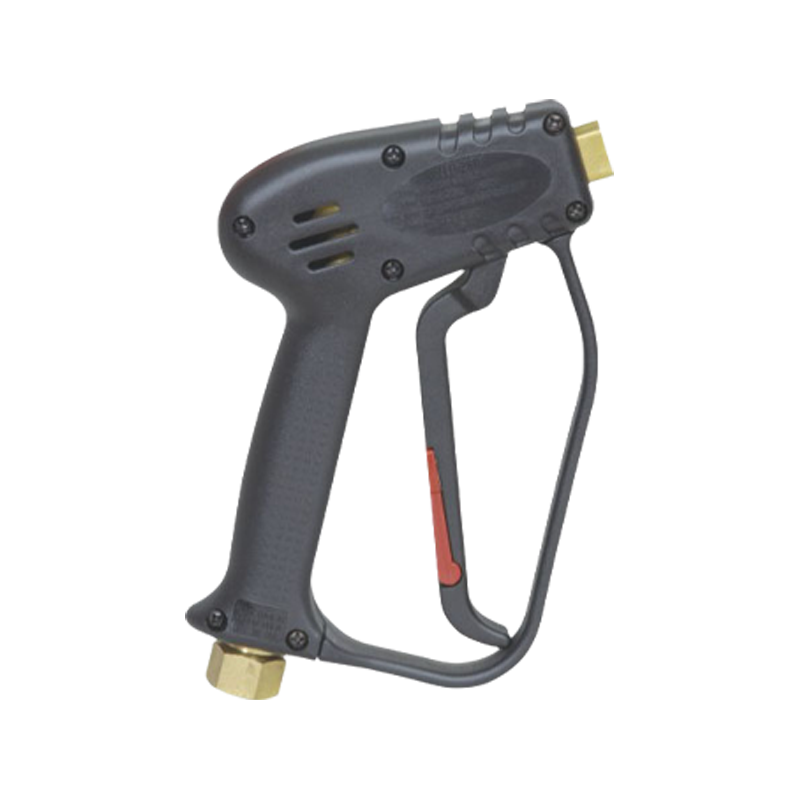
Soft grip industrial high pressure spray guns are specifically designed for high-pressure cleaning applications, utilizing water as the sole medium. These spray guns are engineered with a high-pressur...
See Details
The Weep Trigger Spray Gun is an innovative water gun designed specifically to prevent high-pressure water pipes from freezing in winter. Its core feature is the small hole design at the spray gun val...
See Details
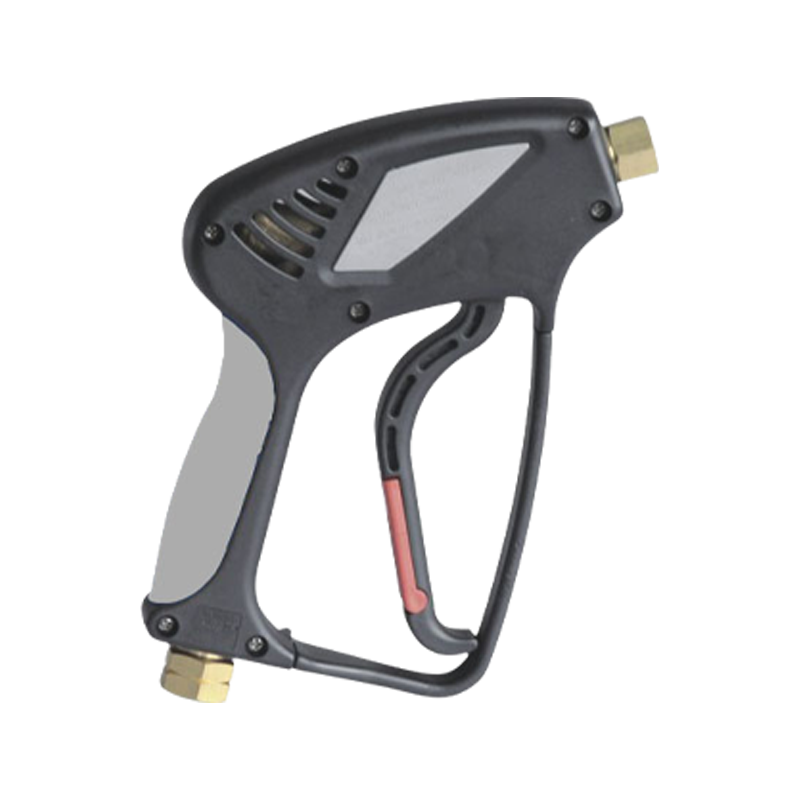
The high pressure power spray gun is an innovative cleaning equipment that integrates efficient cleaning and convenient operation. It uses high-pressure water flow to remove stubborn stains and is sui...
See Details
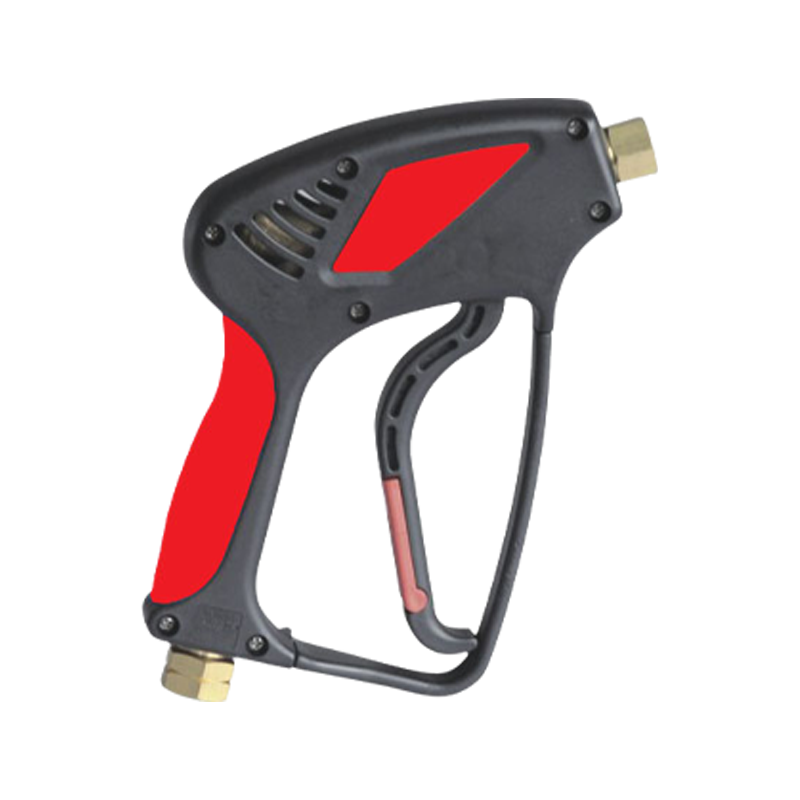
The high pressure cleaning spray gun is a standard configuration of a high pressure cleaning machine. The high-pressure water flow from the high-pressure cleaning machine passes through a high-pressur...
See Details
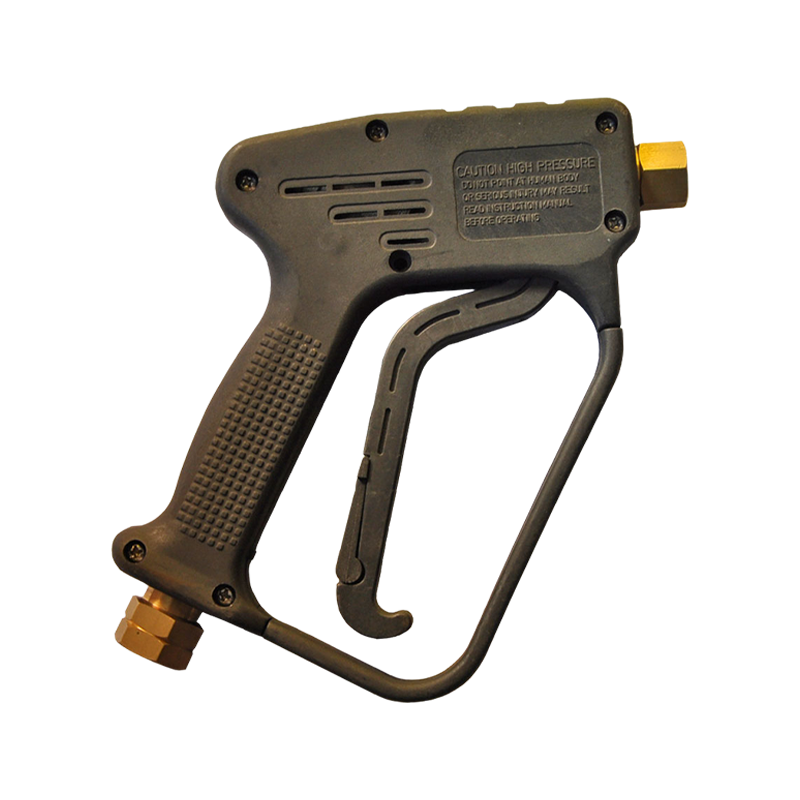
The carpet cleaning high pressure cleaning gun is a tool designed specifically for deep cleaning, using high-pressure water flow to efficiently remove dirt, dust, and stubborn stains from carpet fiber...
See Details
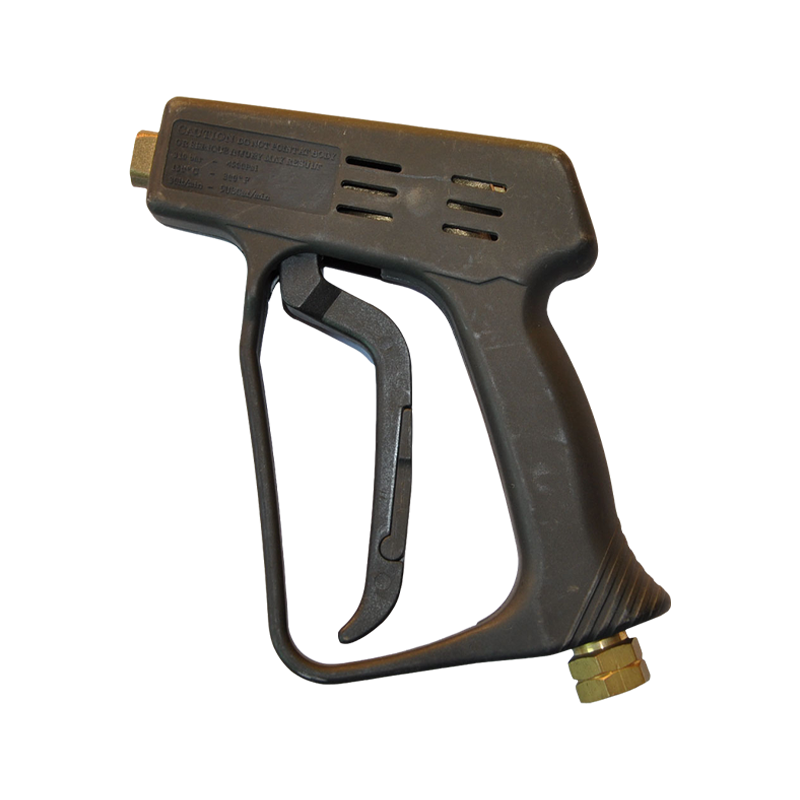
The 4500psi high pressure washing spray gun is a specialized tool designed for high-pressure liquid delivery and cleaning tasks, widely utilized in industrial cleaning, automotive maintenance, agricul...
See Details
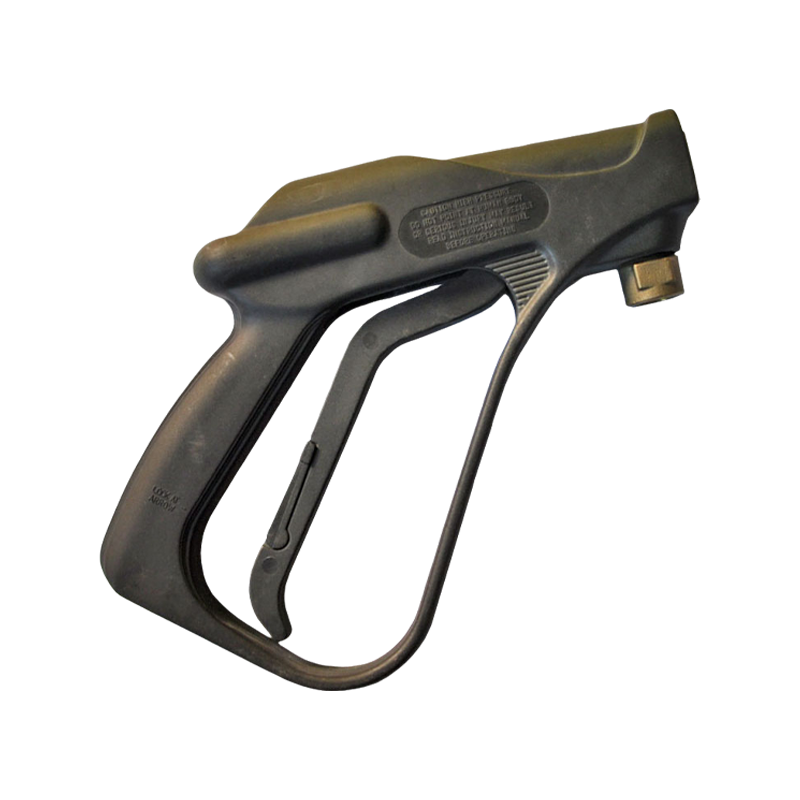
The brass outlet trigger spray gun is made of high-quality brass material and equipped with precise trigger design. Users can adjust the water flow rate and spray angle according to their needs to ach...
See Details
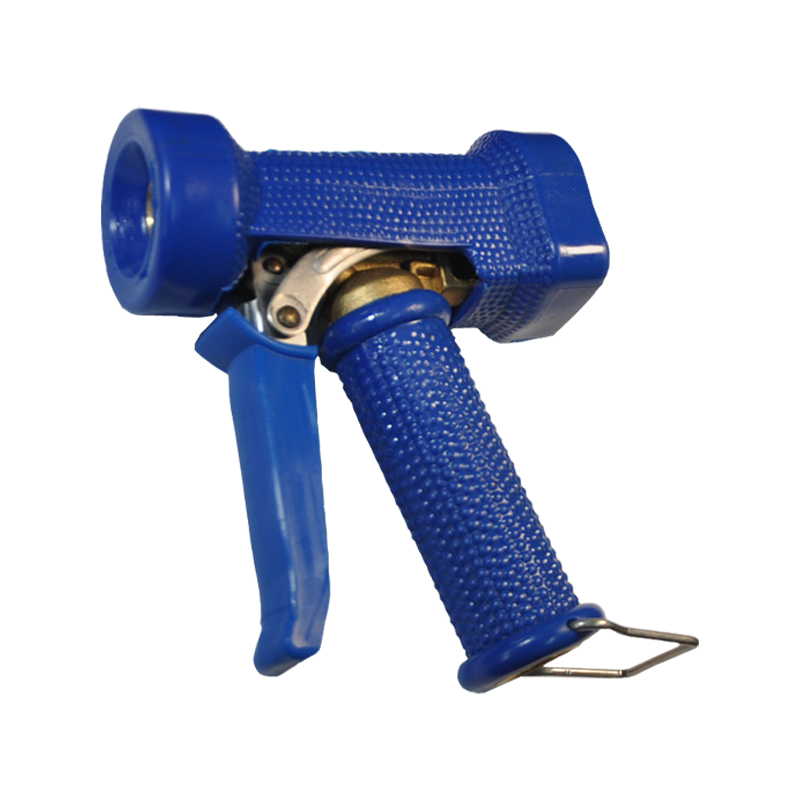
The heavy-duty brass flushing gun is specifically designed for low-pressure applications such as garden irrigation, dust suppression, and equipment cleaning. The ergonomic handle features an anti-slip...
See Details
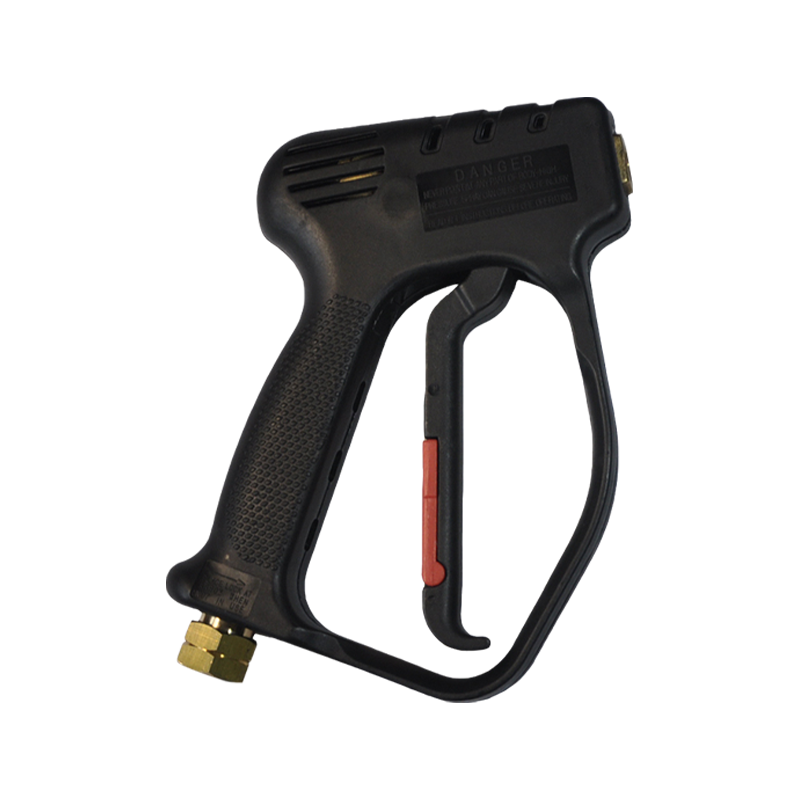
Industrial cleaning trigger spray gun is an efficient and durable cleaning equipment. Its internal sealing components are made of high-strength materials, effectively preventing leakage. Its design ca...
See Details
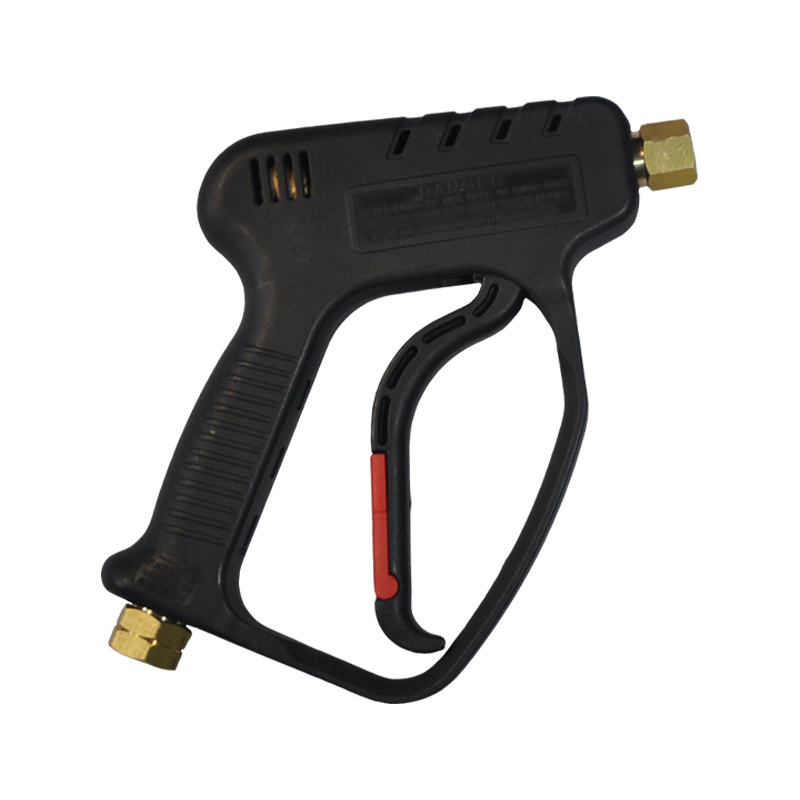
The portable handheld trigger spray gun is made of high-strength engineering plastics and/or metal materials, and the handheld part is coated with anti slip rubber to enhance the safety and comfort of...
See Details
The basic structure and working principle of the foam sprayer Foam sprayer is a device that mixes liquid diluent and air and sprays in the form of foam. It is widely used in car washing, industrial cl...
See Details
What is a high Pressure Washer Water Broom? A high Pressure Washer Water Broom is an accessory tool designed to improve floor cleaning efficiency and is usually used in conjunction with a high-pressur...
See Details

Introduction: Demands and Challenges of Modern Car Washing In modern society, cars have become an indispensable means of transportation in daily life, and almost every family has one or more cars. Wit...
See Details
1. Understand the basic structure and working principle of high-pressure cleaning spray guns The basic structure of a high-pressure cleaning gun A high-pressure cleaning gun consists of multiple parts...
See Details