The Screw Quick Coupling prevents fluid spillage and air ingress through a dual internal valve mechanism — typically a poppet or sleeve valve on both the male plug and female socket — that automatically closes the fluid path the moment the two halves are separated. This shut-off action occurs before the threaded connection is fully released, containing residual system pressure on both sides of the coupling. The result is a near-zero spillage disconnect, even when line pressure remains active.
The defining feature of a Screw Quick Coupling is its double shut-off valve design. Both the male and female coupling bodies contain spring-loaded poppet valves. When the two halves are fully connected, these valves are pushed open against spring tension, allowing fluid to flow freely through the bore. As the coupling is unscrewed and the two halves begin to separate, the springs push the poppet valves back into their seats simultaneously on both sides.
This simultaneous closure is critical. In a typical Screw Quick Coupling rated for hydraulic service, the valves are designed to fully seat before the threaded engagement is lost — meaning the system is sealed before any gap opens between the two halves. This prevents both outward fluid ejection from pressurized lines and inward air ingress into vacuum or low-pressure systems.
Some designs use a sleeve-type valve on the female socket instead of a poppet, particularly in flat-face Screw Quick Coupling variants. The sleeve retracts when connected and springs forward to cap the face of the socket when disconnected, achieving near-zero face spillage — a critical requirement in environmentally sensitive or clean-room applications.
Residual system pressure is one of the most challenging conditions for any coupling. In hydraulic circuits, residual pressure can range from 50 bar in light machinery to over 400 bar in heavy industrial or mobile hydraulic systems. A standard Screw Quick Coupling addresses this through a combination of thread geometry and valve timing.
Because the Screw Quick Coupling requires deliberate rotational unscrewing to disconnect — unlike push-pull designs — the operator inherently moves slowly through the disconnection sequence. This gives the internal valves adequate time and mechanical advantage to seat properly before separation. The threaded engagement also provides a controlled bleed path in some coupling models: as the last few threads disengage, a micro-gap allows trapped pressure between the two valve faces to equalize gradually, preventing a sudden hydraulic shock or fluid ejection.
For systems where pressure cannot be fully depressurized before maintenance, certain Screw Quick Coupling series incorporate a pressure-relief groove or bleed notch machined into the thread profile. This feature vents residual inter-valve pressure safely before the bodies separate completely.
The valve seat seals within a Screw Quick Coupling are the last line of defense against fluid spillage. The most common seal materials and their working parameters are compared below:
| Seal Material | Temperature Range | Compatible Fluids | Typical Application |
|---|---|---|---|
| NBR (Nitrile) | -30°C to +100°C | Mineral hydraulic oil, air | General industrial hydraulics |
| FKM (Viton) | -20°C to +200°C | Synthetic fluids, fuels, chemicals | High-temperature or chemical service |
| EPDM | -40°C to +150°C | Water, steam, water-glycol | Fire-resistant fluid systems |
| PTFE | -60°C to +200°C | Aggressive chemicals, pharmaceutical | Clean-room and food-grade systems |
Selecting the wrong seal material is one of the leading causes of premature Screw Quick Coupling leakage failure in the field. For example, using an NBR-sealed coupling in a system running phosphate-ester hydraulic fluid will cause rapid seal swelling and loss of seating integrity within weeks of installation.
While fluid spillage is the primary concern in pressurized hydraulic circuits, air ingress is equally damaging in vacuum systems, lubrication circuits, and precision fluid transfer applications. Air entering a hydraulic circuit causes cavitation, spongy actuator response, and accelerated fluid oxidation.
The Screw Quick Coupling addresses air ingress through the same dual-valve closure mechanism. When the system is under negative pressure (vacuum), the spring-loaded valves are actually assisted by the pressure differential — atmospheric pressure outside pushes the poppet valve harder onto its seat as the coupling is disconnected, creating a tighter seal than under neutral conditions.
For vacuum applications specifically, flat-face Screw Quick Coupling designs with a metal-to-metal or PTFE face seal are preferred over standard poppet designs, as they eliminate the small residual void between the valve face and the bore wall that exists in conventional designs.
Even a well-designed Screw Quick Coupling can fail to prevent spillage if certain conditions are present. Users should be aware of the following risk factors:
Even with an optimally functioning Screw Quick Coupling, following correct disconnection procedures minimizes the risk of spillage, pressure injury, and coupling damage:
It is useful to understand where the Screw Quick Coupling sits relative to other coupling technologies in terms of spillage control:
| Coupling Type | Spillage Control | Max Rated Pressure | Live Disconnection |
|---|---|---|---|
| Screw Quick Coupling (poppet) | Good | Up to 700 bar | Yes (rated models) |
| Screw Quick Coupling (flat-face) | Excellent | Up to 500 bar | Yes |
| Push-to-Connect Coupling | Moderate | Up to 350 bar | Limited |
| Breakaway Coupling | Good | Up to 250 bar | Yes (by design) |
The flat-face variant of the Screw Quick Coupling consistently outperforms standard poppet designs in spillage control, making it the preferred choice for environmentally regulated worksites, offshore platforms, and indoor industrial environments where even minor hydraulic fluid spills carry compliance and safety consequences.
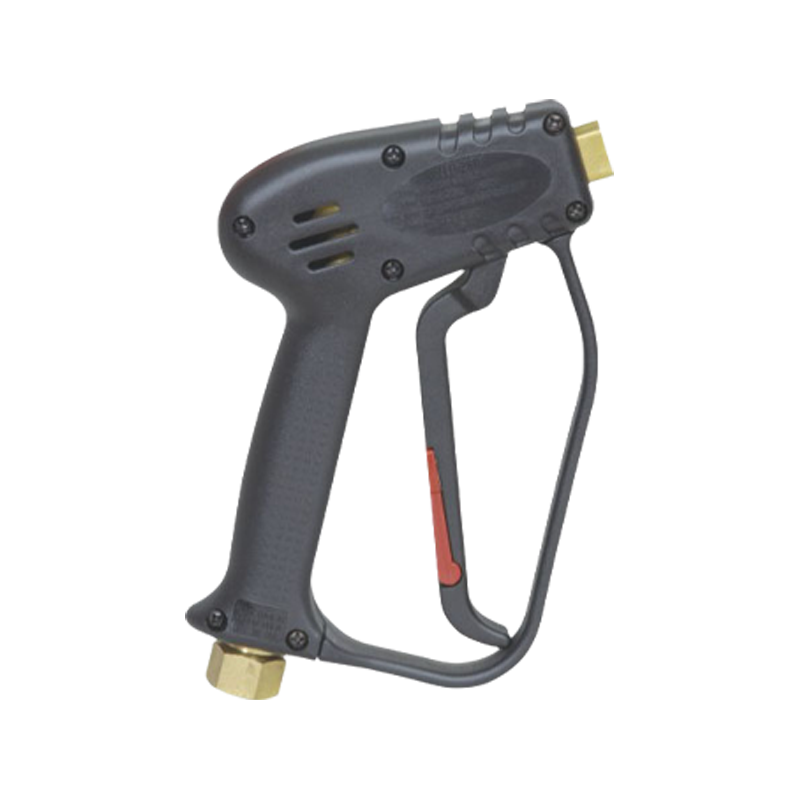
Soft grip industrial high pressure spray guns are specifically designed for high-pressure cleaning applications, utilizing water as the sole medium. These spray guns are engineered with a high-pressur...
See Details
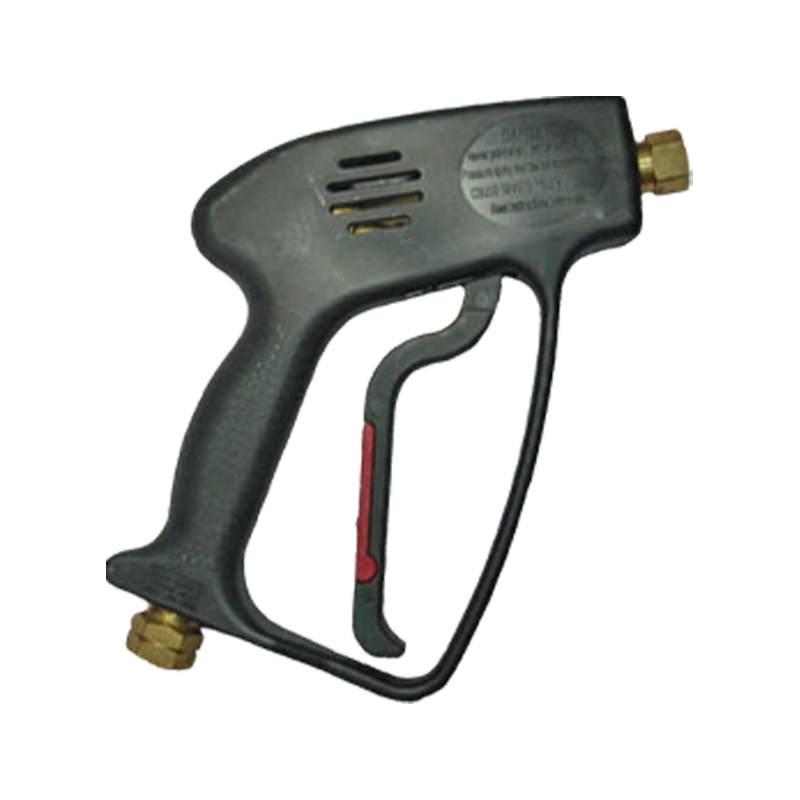
The Weep Trigger Spray Gun is an innovative water gun designed specifically to prevent high-pressure water pipes from freezing in winter. Its core feature is the small hole design at the spray gun val...
See Details
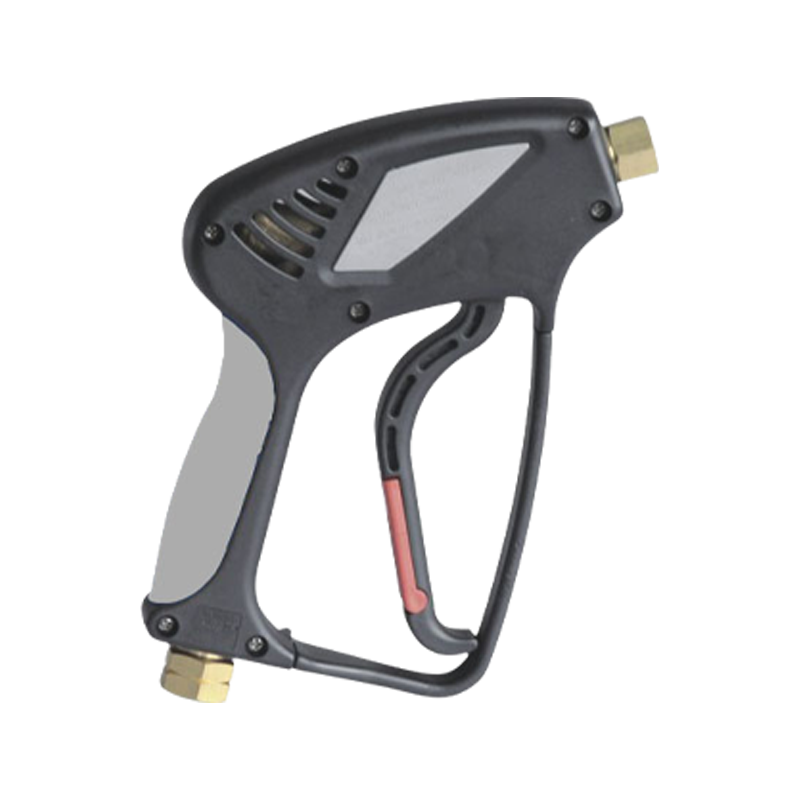
The high pressure power spray gun is an innovative cleaning equipment that integrates efficient cleaning and convenient operation. It uses high-pressure water flow to remove stubborn stains and is sui...
See Details
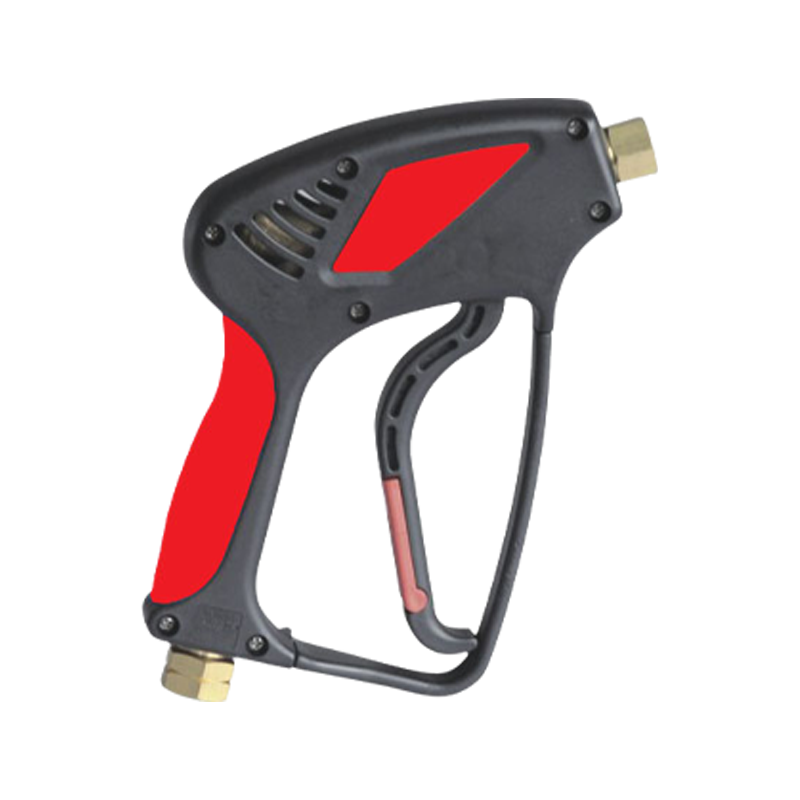
The high pressure cleaning spray gun is a standard configuration of a high pressure cleaning machine. The high-pressure water flow from the high-pressure cleaning machine passes through a high-pressur...
See Details
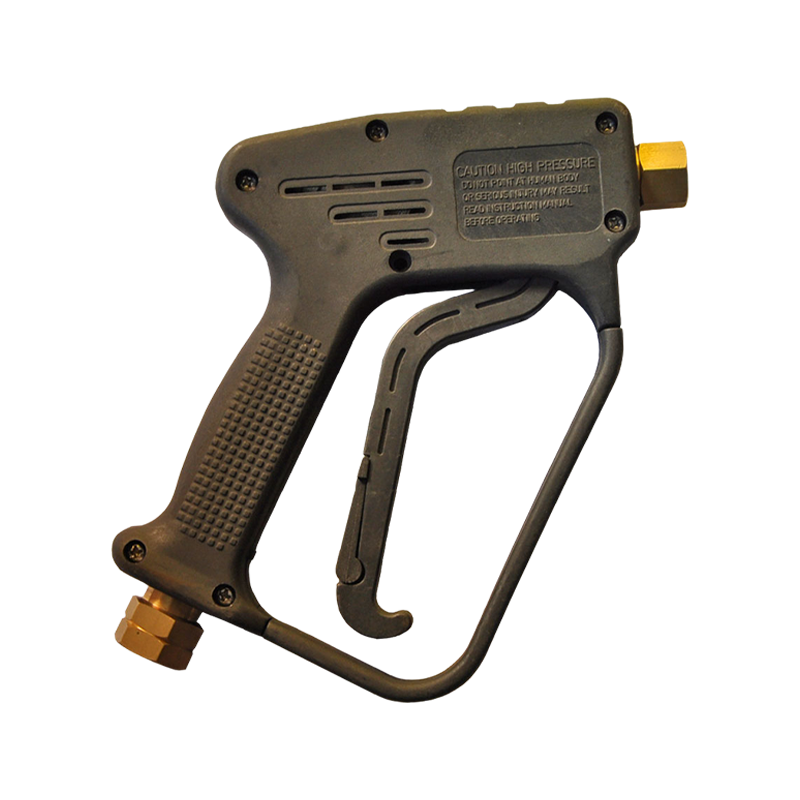
The carpet cleaning high pressure cleaning gun is a tool designed specifically for deep cleaning, using high-pressure water flow to efficiently remove dirt, dust, and stubborn stains from carpet fiber...
See Details
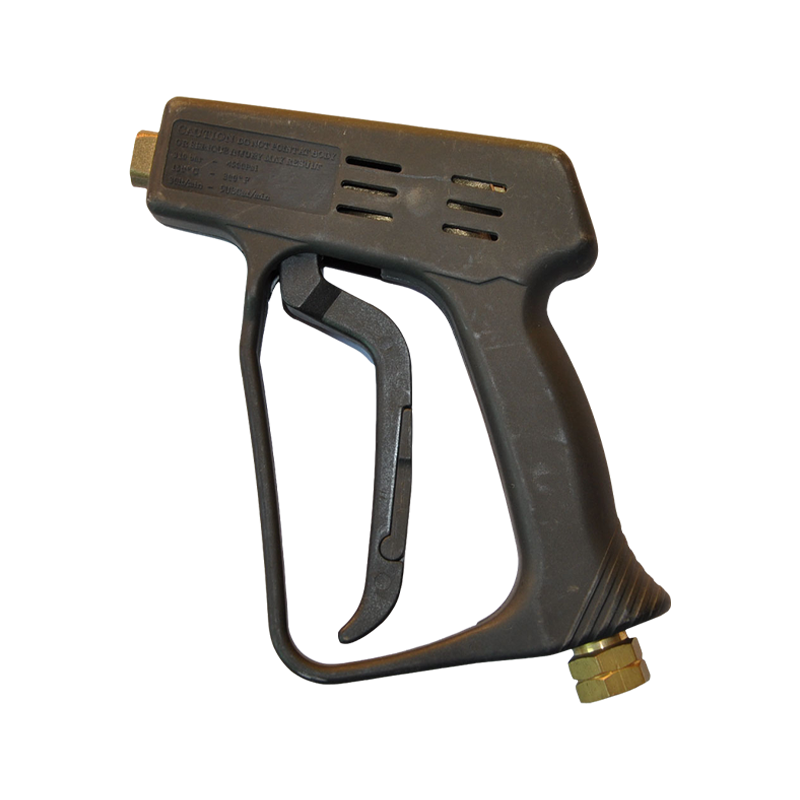
The 4500psi high pressure washing spray gun is a specialized tool designed for high-pressure liquid delivery and cleaning tasks, widely utilized in industrial cleaning, automotive maintenance, agricul...
See Details
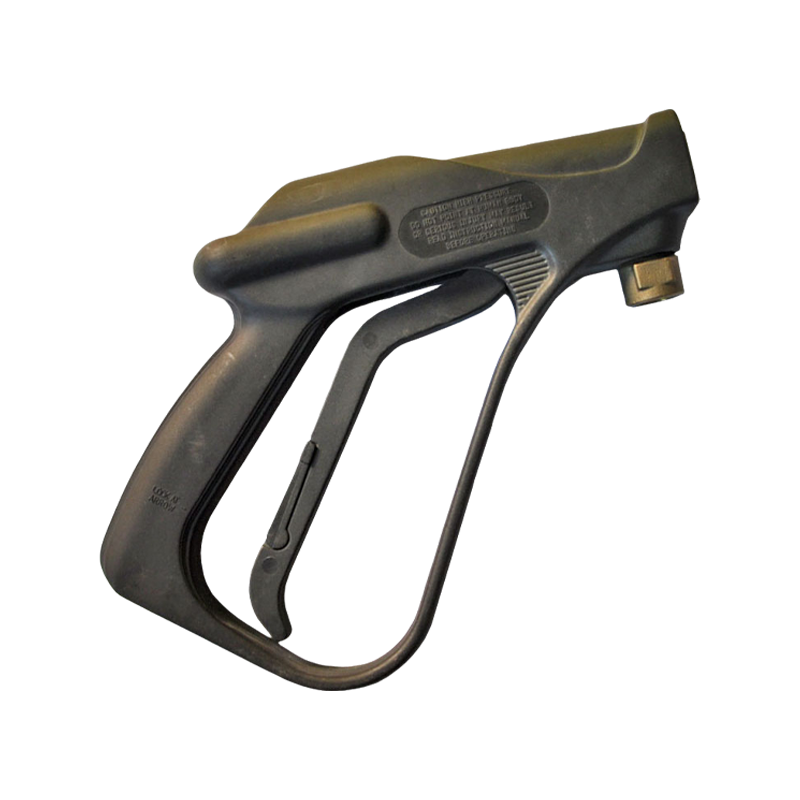
The brass outlet trigger spray gun is made of high-quality brass material and equipped with precise trigger design. Users can adjust the water flow rate and spray angle according to their needs to ach...
See Details
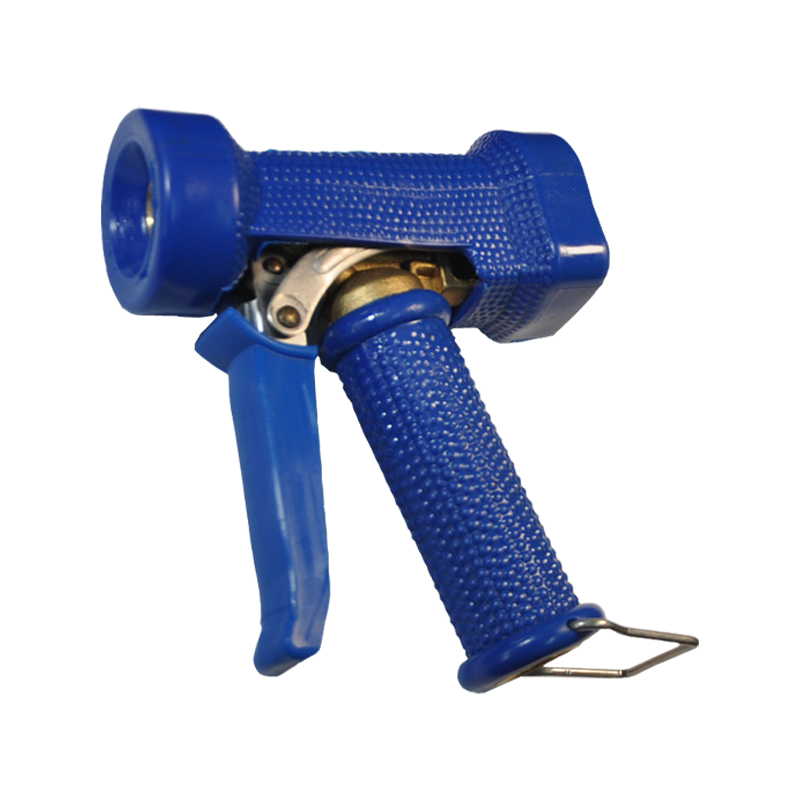
The heavy-duty brass flushing gun is specifically designed for low-pressure applications such as garden irrigation, dust suppression, and equipment cleaning. The ergonomic handle features an anti-slip...
See Details
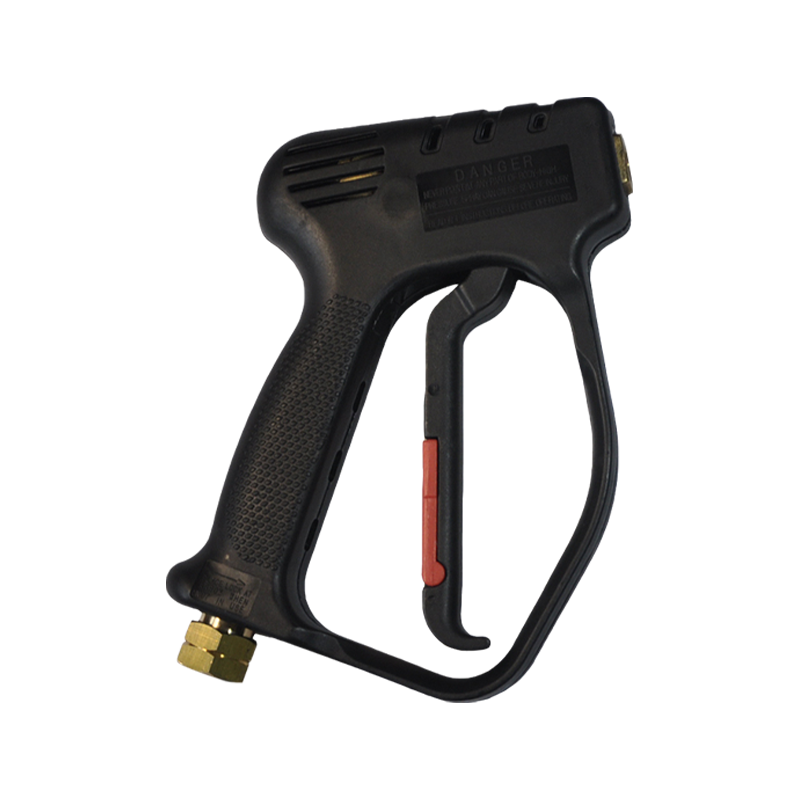
Industrial cleaning trigger spray gun is an efficient and durable cleaning equipment. Its internal sealing components are made of high-strength materials, effectively preventing leakage. Its design ca...
See Details
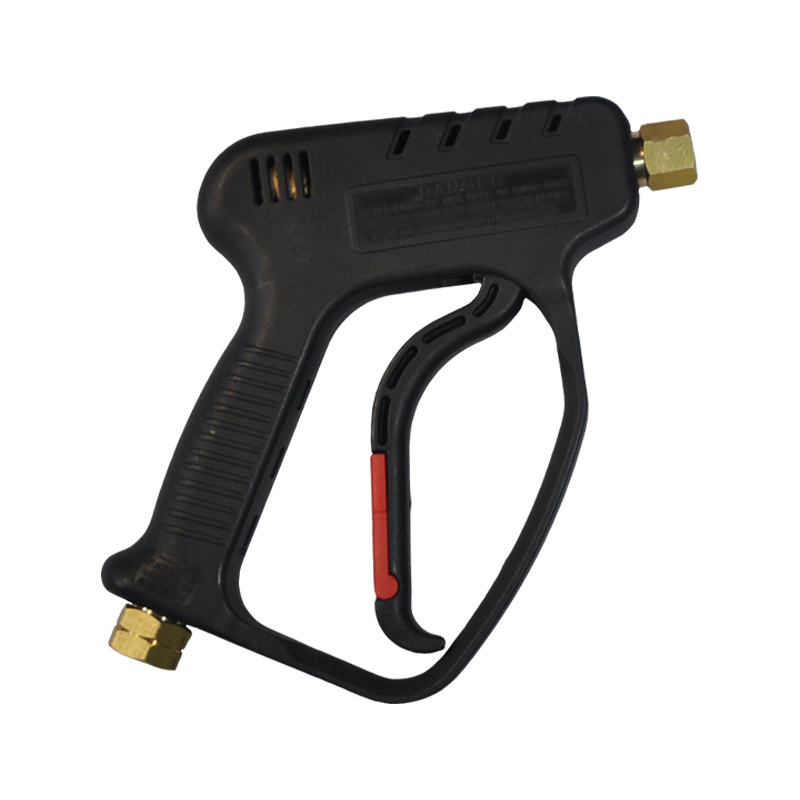
The portable handheld trigger spray gun is made of high-strength engineering plastics and/or metal materials, and the handheld part is coated with anti slip rubber to enhance the safety and comfort of...
See Details

The basic structure and working principle of the foam sprayer Foam sprayer is a device that mixes liquid diluent and air and sprays in the form of foam. It is widely used in car washing, industrial cl...
See Details
What is a high Pressure Washer Water Broom? A high Pressure Washer Water Broom is an accessory tool designed to improve floor cleaning efficiency and is usually used in conjunction with a high-pressur...
See Details

Introduction: Demands and Challenges of Modern Car Washing In modern society, cars have become an indispensable means of transportation in daily life, and almost every family has one or more cars. Wit...
See Details

1. Understand the basic structure and working principle of high-pressure cleaning spray guns The basic structure of a high-pressure cleaning gun A high-pressure cleaning gun consists of multiple parts...
See Details