The stainless steel pressure gauge typically maintains its rated accuracy within an ambient temperature range of -40°C to +60°C (-40°F to +140°F) for standard industrial models. However, the reference accuracy — the baseline measurement used for calibration — is defined at a reference temperature of +20°C (+68°F) according to EN 837-1 and ASME B40.100 standards. Any deviation from this reference temperature introduces additional temperature error that must be accounted for in precision applications. Understanding these limits is essential for selecting and deploying a stainless steel pressure gauge that performs reliably across your specific operating environment.
Not all stainless steel pressure gauges share the same temperature limits. The permissible ambient temperature range varies depending on construction, fill fluid, and intended application. Below is a comparison of the most common configurations:
| Gauge Type | Ambient Temperature Range | Reference Temperature | Typical Application |
|---|---|---|---|
| Dry stainless steel pressure gauge (standard) | -40°C to +60°C | +20°C | General industrial use |
| Glycerin-filled stainless steel pressure gauge | -20°C to +60°C | +20°C | Vibration-prone environments |
| Silicone-filled stainless steel pressure gauge | -60°C to +80°C | +20°C | Extreme cold or high-temp outdoor |
| High-temperature stainless steel pressure gauge | -40°C to +100°C | +20°C | Furnaces, steam systems |
It is important to note that glycerin-filled gauges, while excellent for vibration dampening, have a narrower low-temperature limit than dry gauges because glycerin begins to thicken and viscosity increases significantly below -20°C, introducing reading errors.
Temperature deviation from the reference point introduces what is formally called the temperature coefficient of error. For most stainless steel pressure gauges meeting Class 1.6 accuracy (per EN 837-1), the additional temperature error is typically ±0.4% of full-scale per 10°C deviation from the reference temperature of +20°C.
For example, if you are operating a stainless steel pressure gauge rated at 0–100 bar in an outdoor environment at +50°C:
This cumulative error must be added to the base accuracy class error when calculating the total measurement uncertainty for your system. In safety-critical or metering applications, this distinction can have significant process consequences.
Several internal components of a stainless steel pressure gauge are thermally sensitive. Understanding which parts are affected helps you anticipate failure modes and performance drift:
The Bourdon tube — typically made of 316L stainless steel in a corrosion-resistant gauge — expands and contracts with temperature changes. Elevated temperatures reduce the elastic modulus of the tube material, causing the tube to appear to indicate higher pressure than actually exists. At temperatures above +60°C, this elastic drift can exceed the acceptable tolerance for standard accuracy classes.
The gear and pinion movement inside the stainless steel pressure gauge relies on tight mechanical tolerances. Thermal expansion of the stainless steel movement components can cause backlash, friction changes, and pointer shift — all of which contribute to reading inaccuracies outside the rated ambient range.
In liquid-filled stainless steel pressure gauges, thermal expansion of the fill fluid (glycerin or silicone oil) builds internal case pressure. Most stainless steel pressure gauge cases include a compensating membrane or relief plug to manage this expansion, but beyond the rated temperature range, the membrane may bottom out or the case pressure may distort readings.
The window material (polycarbonate, glass, or acrylic) and elastomeric seals (EPDM, NBR, or FKM) each have distinct temperature limits. For stainless steel pressure gauges used in high-temperature environments, safety glass windows and FKM seals are recommended for continuous operation above +60°C.
Users frequently confuse process (media) temperature with ambient temperature when specifying a stainless steel pressure gauge. These are two separate parameters:
A stainless steel pressure gauge installed on a steam line where the process temperature is +180°C must use a siphon tube or cooling coil to reduce the temperature reaching the gauge internals to within the rated ambient range. Without this, the Bourdon tube will be exposed to temperatures far exceeding its design limits — causing permanent deformation or rupture. Most manufacturers specify a maximum process temperature at the gauge socket of +100°C for standard stainless steel pressure gauges.
When your installation operates near or beyond the standard -40°C to +60°C range, consider the following selection criteria for your stainless steel pressure gauge:
The ambient temperature performance of a stainless steel pressure gauge is governed by well-established international standards. Familiarizing yourself with these standards ensures you specify and verify gauges correctly:
Always request the manufacturer's temperature error coefficient data sheet for the specific stainless steel pressure gauge model, as performance can vary significantly between manufacturers even within the same accuracy class.
Even a correctly specified stainless steel pressure gauge can underperform if installed without regard for ambient temperature management. The following practical measures help maintain rated accuracy in the field:
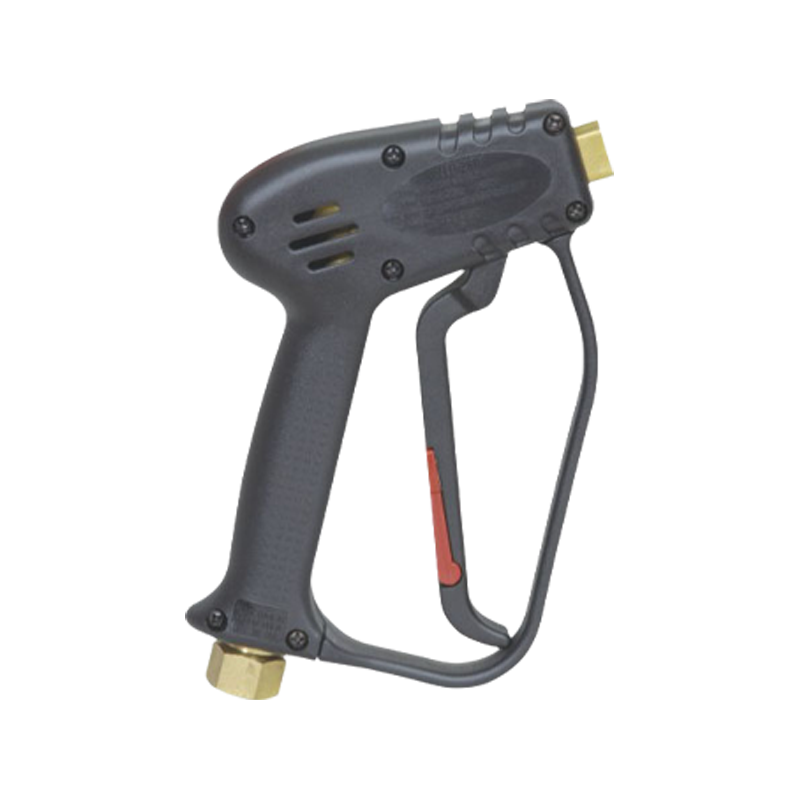
Soft grip industrial high pressure spray guns are specifically designed for high-pressure cleaning applications, utilizing water as the sole medium. These spray guns are engineered with a high-pressur...
See Details
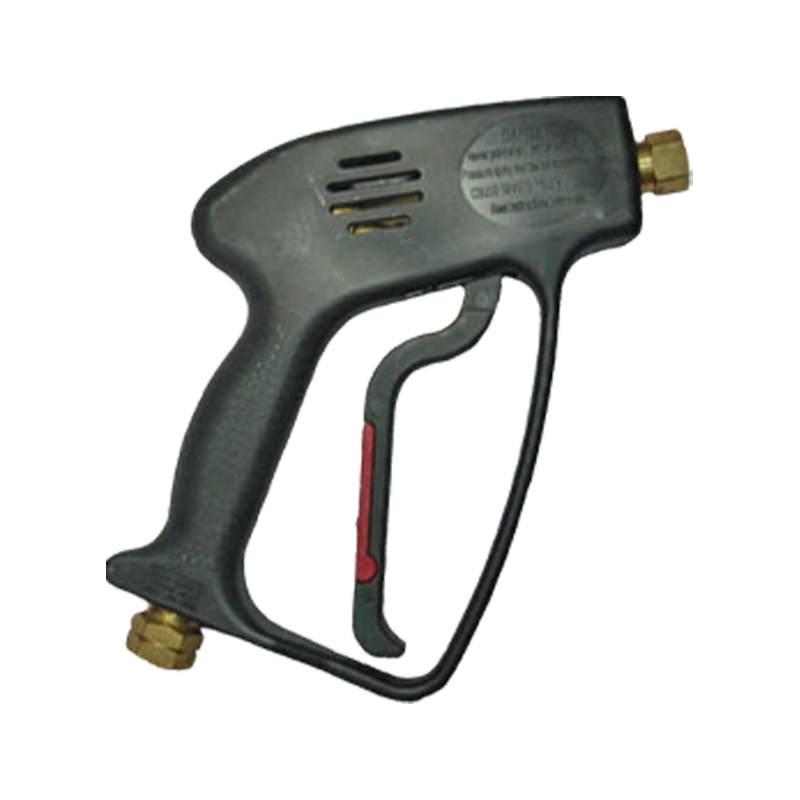
The Weep Trigger Spray Gun is an innovative water gun designed specifically to prevent high-pressure water pipes from freezing in winter. Its core feature is the small hole design at the spray gun val...
See Details
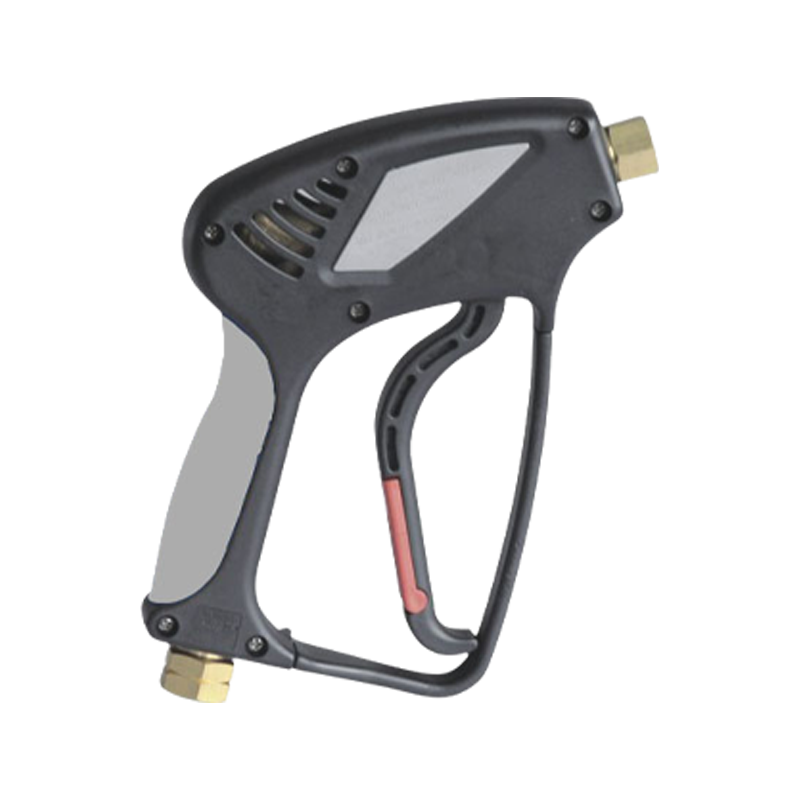
The high pressure power spray gun is an innovative cleaning equipment that integrates efficient cleaning and convenient operation. It uses high-pressure water flow to remove stubborn stains and is sui...
See Details
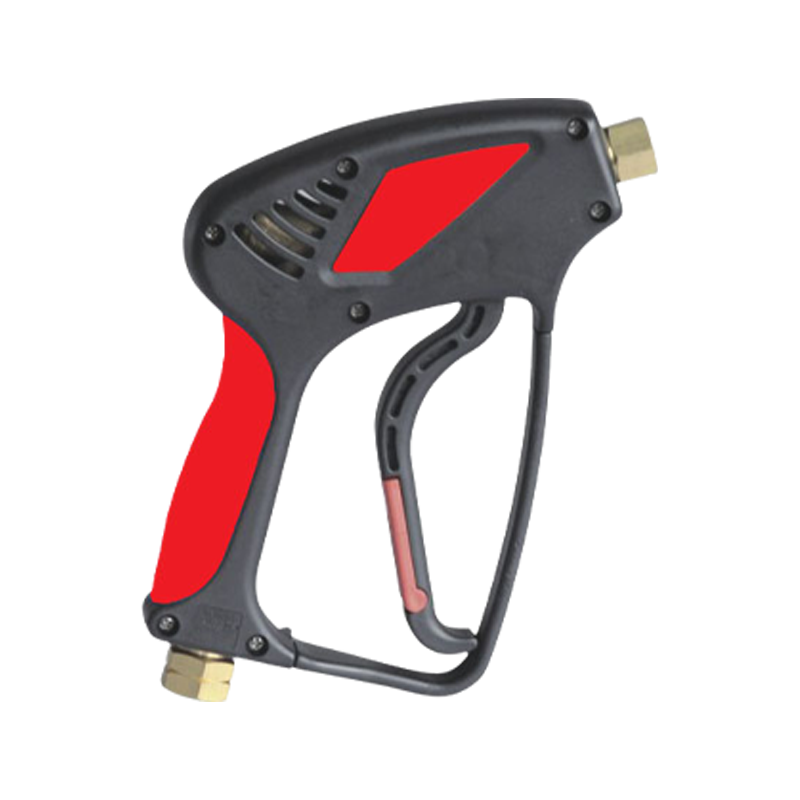
The high pressure cleaning spray gun is a standard configuration of a high pressure cleaning machine. The high-pressure water flow from the high-pressure cleaning machine passes through a high-pressur...
See Details
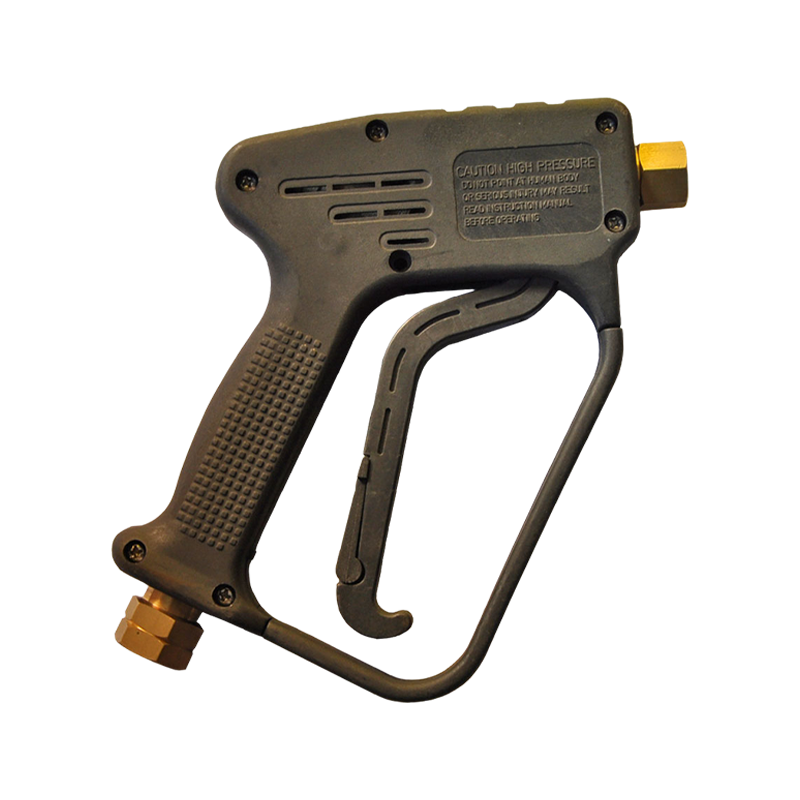
The carpet cleaning high pressure cleaning gun is a tool designed specifically for deep cleaning, using high-pressure water flow to efficiently remove dirt, dust, and stubborn stains from carpet fiber...
See Details
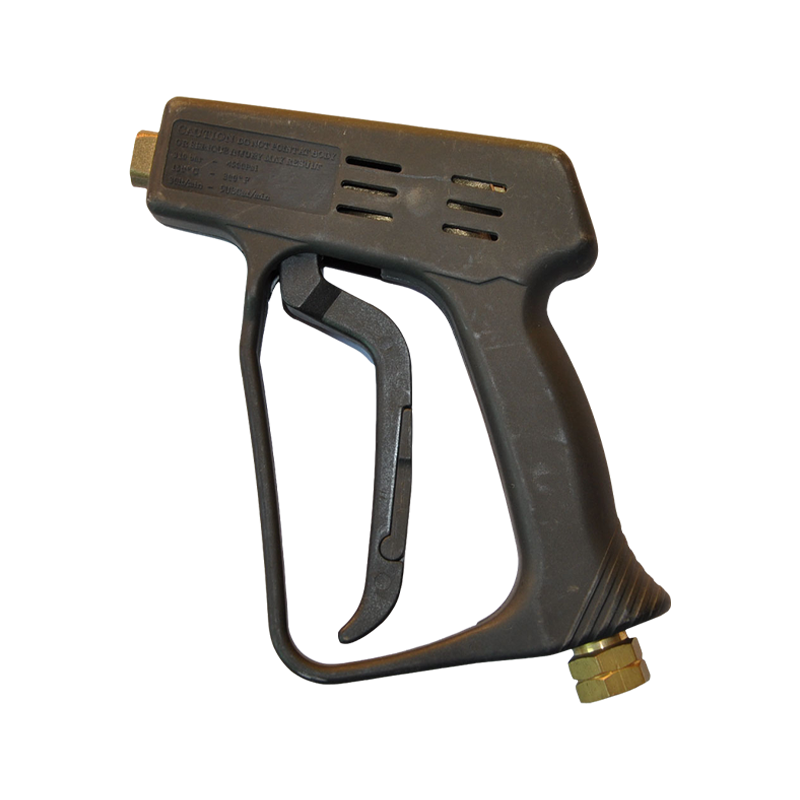
The 4500psi high pressure washing spray gun is a specialized tool designed for high-pressure liquid delivery and cleaning tasks, widely utilized in industrial cleaning, automotive maintenance, agricul...
See Details
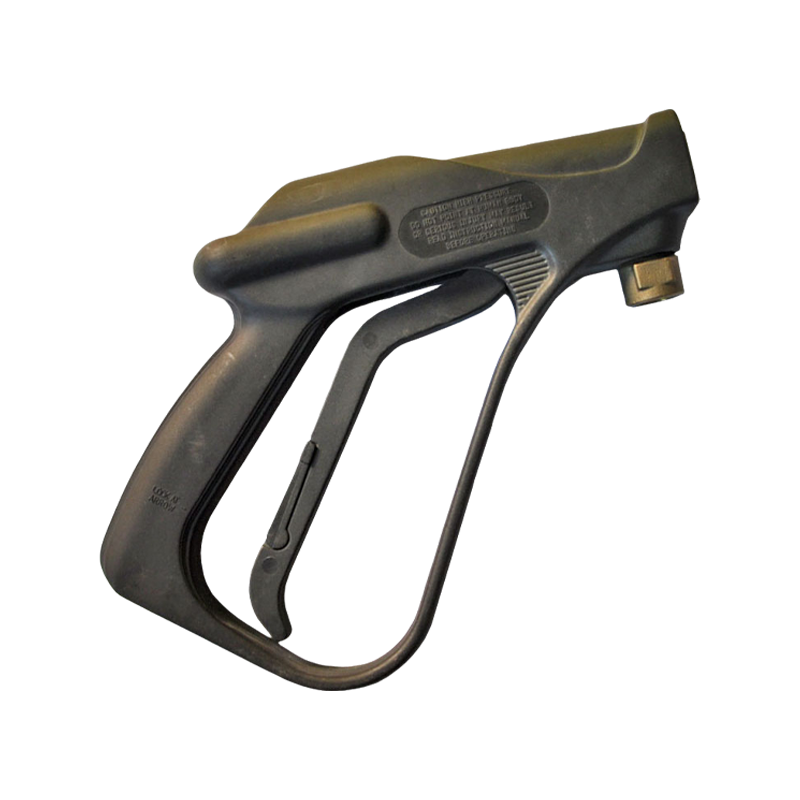
The brass outlet trigger spray gun is made of high-quality brass material and equipped with precise trigger design. Users can adjust the water flow rate and spray angle according to their needs to ach...
See Details
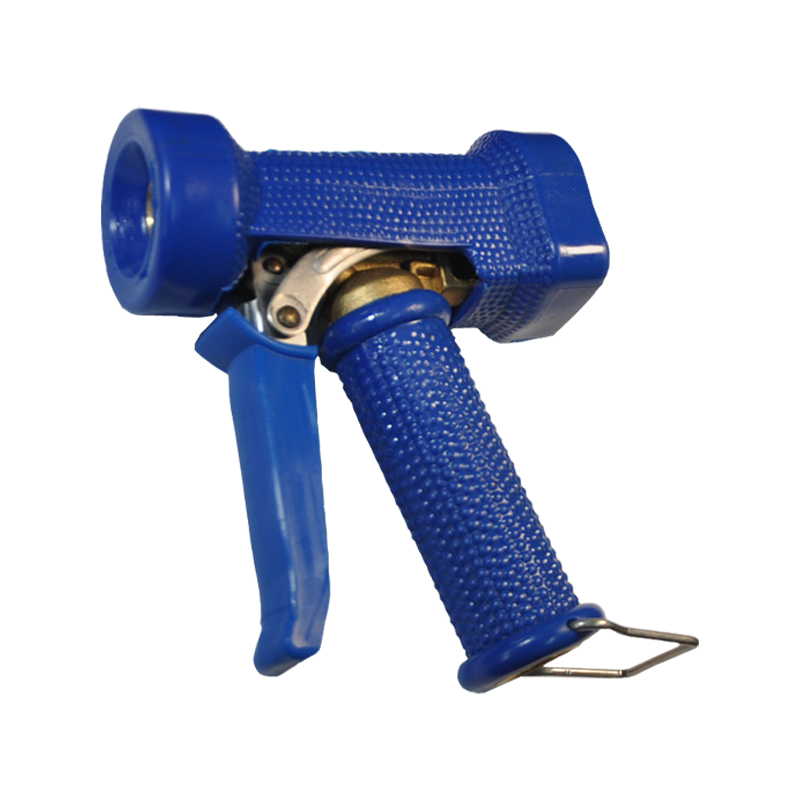
The heavy-duty brass flushing gun is specifically designed for low-pressure applications such as garden irrigation, dust suppression, and equipment cleaning. The ergonomic handle features an anti-slip...
See Details
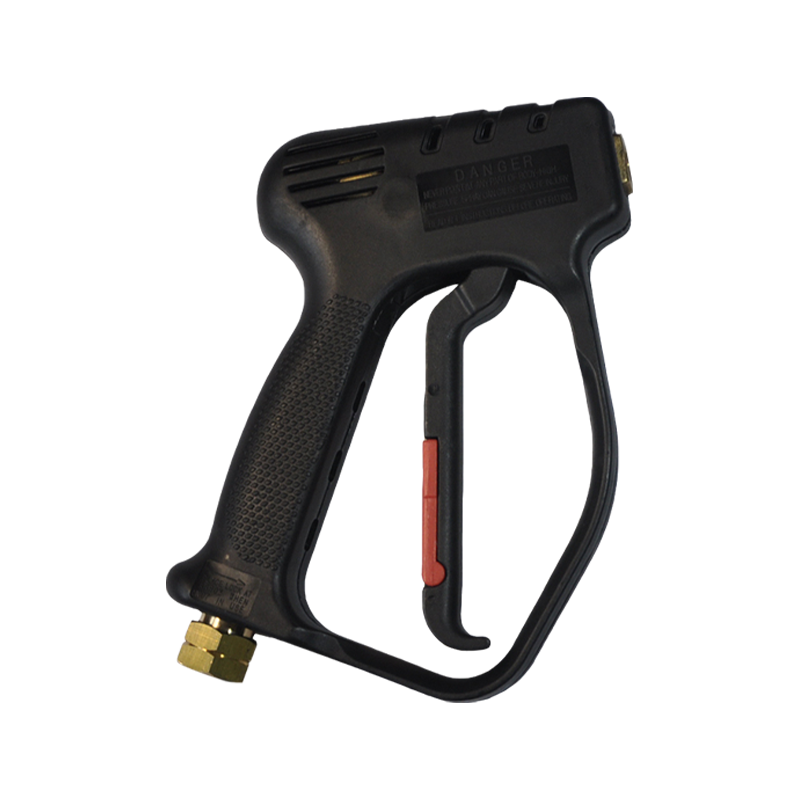
Industrial cleaning trigger spray gun is an efficient and durable cleaning equipment. Its internal sealing components are made of high-strength materials, effectively preventing leakage. Its design ca...
See Details
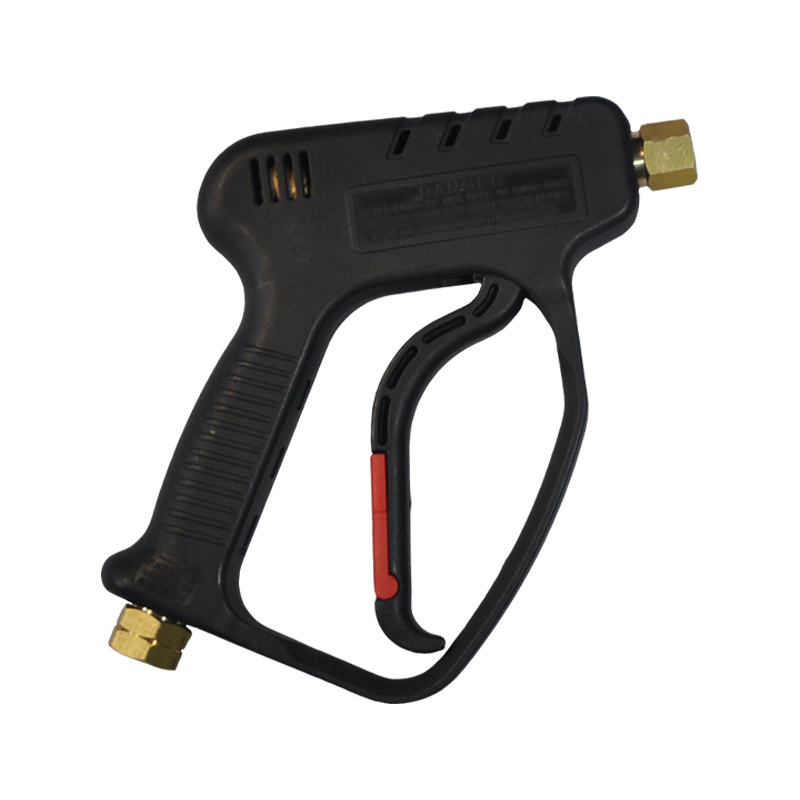
The portable handheld trigger spray gun is made of high-strength engineering plastics and/or metal materials, and the handheld part is coated with anti slip rubber to enhance the safety and comfort of...
See Details

The basic structure and working principle of the foam sprayer Foam sprayer is a device that mixes liquid diluent and air and sprays in the form of foam. It is widely used in car washing, industrial cl...
See Details

What is a high Pressure Washer Water Broom? A high Pressure Washer Water Broom is an accessory tool designed to improve floor cleaning efficiency and is usually used in conjunction with a high-pressur...
See Details

Introduction: Demands and Challenges of Modern Car Washing In modern society, cars have become an indispensable means of transportation in daily life, and almost every family has one or more cars. Wit...
See Details

1. Understand the basic structure and working principle of high-pressure cleaning spray guns The basic structure of a high-pressure cleaning gun A high-pressure cleaning gun consists of multiple parts...
See Details