BSP hose fittings use a 55° thread angle, while NPT fittings use a 60° thread angle. This seemingly small difference makes the two standards mechanically incompatible, even when thread sizes appear similar. BSP (British Standard Pipe) relies on either a parallel thread (BSPP) with a sealing washer or O-ring, or a tapered thread (BSPT) that seals on the thread itself. NPT (National Pipe Taper), by contrast, always uses a tapered thread that seals through thread deformation and typically requires PTFE tape or pipe dope. Understanding these differences is essential before selecting any BSP hose connector or NPT component for a fluid or pneumatic system.
The thread angle is the most fundamental physical distinction between these two standards. BSP threads are based on the Whitworth thread form, introduced in the mid-19th century, with a 55° included angle. NPT threads follow the American standard with a 60° included angle.
In practical terms, this means:
The thread pitch also differs. For example, a 1/2" BSP thread has 14 threads per inch (TPI), and so does 1/2" NPT — but the different flank angles mean they are still not compatible, even though TPI matches.
| Feature | BSP Hose Fittings | NPT Fittings |
|---|---|---|
| Thread Angle | 55° | 60° |
| Thread Form | Whitworth | American National |
| Standard Origin | UK / ISO 228 / ISO 7 | USA / ANSI/ASME B1.20.1 |
| Taper Rate | 1:16 (BSPT) | 1:16 |
| Cross-Compatibility | Not compatible with NPT | Not compatible with BSP |
The sealing approach is where BSP and NPT diverge most significantly in real-world application. This directly affects reliability, maintenance frequency, and suitability for high-pressure environments.
BSP is divided into two subtypes, each with a distinct sealing mechanism:
BSPP is the more widely used variant in industrial hydraulics and instrumentation because its face seal is more reliable under vibration and thermal cycling. A typical BSPP BSP hose connector used in hydraulic systems can hold pressures exceeding 5,000 PSI when paired with the correct O-ring and port.
NPT fittings rely entirely on thread deformation for sealing. As the male and female tapered threads are tightened together, they wedge and compress against each other, creating a metal-to-metal seal. PTFE tape or pipe compound is applied to fill microscopic gaps and prevent galling. NPT does not use a face seal or O-ring in standard configurations.
This approach works well for low-to-medium pressure gas and water systems but has limitations in high-pressure hydraulics, repeated assembly/disassembly cycles, and applications involving vibration — where thread deformation seals can loosen or fail over time.
When choosing between BSP hydraulic fittings and NPT fittings, pressure rating and application context are decisive factors. The table below outlines typical use-case performance:
| Application | BSP Hydraulic Fittings | NPT Fittings |
|---|---|---|
| High-pressure hydraulics (>3,000 PSI) | Suitable (BSPP + O-ring) | Limited suitability |
| Low-pressure water/gas lines | Suitable | Very common, widely used |
| Pneumatic systems | Suitable | Suitable |
| High-vibration environments | Preferred (face seal) | Risk of thread loosening |
| Repeated disassembly | BSPP highly suitable | Thread wear risk |
BSP hydraulic fittings, particularly the BSPP variant, are the dominant choice in European and Asian industrial machinery, oil and gas equipment, and mobile hydraulics. NPT is prevalent throughout North American plumbing, HVAC, and gas distribution infrastructure.
One of the most practical considerations when selecting BSP hose connector or NPT fitting is geographic prevalence. BSP is governed by ISO standards — ISO 228 for parallel threads (BSPP) and ISO 7 for tapered threads (BSPT). It is the default pipe thread standard across the UK, Europe, Australia, Asia, and much of the Middle East.
NPT is governed by ANSI/ASME B1.20.1 and is dominant in the United States and Canada. When sourcing equipment internationally — for example, pairing a European-made hydraulic pump with a North American hose assembly — the thread standard mismatch between BSP and NPT is a common and costly mistake.
Always verify the thread standard of both the male and female components before assembly. A thread gauge or pitch gauge is the most reliable tool for on-site verification, particularly when working with legacy equipment where documentation may be unclear.
Both BSP and NPT fittings are available in a range of materials. However, the availability of specific configurations can vary. BSP hydraulic fittings, especially in the BSPP format, are widely available in:
NPT fittings follow a similar material range but are more often found in black malleable iron and galvanized steel configurations for gas and plumbing installations. For hydraulic-grade use, NPT in carbon steel is available but less standardized internationally compared to BSP hydraulic fittings with DIN-rated pressure classes.
Misidentifying a BSP hose connector as NPT (or vice versa) is a common issue in maintenance and procurement. The following practical steps help distinguish them:
The choice between a BSP hose connector and an NPT fitting should be driven by three factors: the equipment standard already in use, the operating pressure and vibration environment, and the geographic availability of replacement parts.
Never mix BSP and NPT threads without a rated conversion adapter. The 5° difference in thread angle, combined with differing sealing mechanisms, creates an unreliable joint that will fail under pressure — particularly in hydraulic or pneumatic service where leak-free performance is critical.
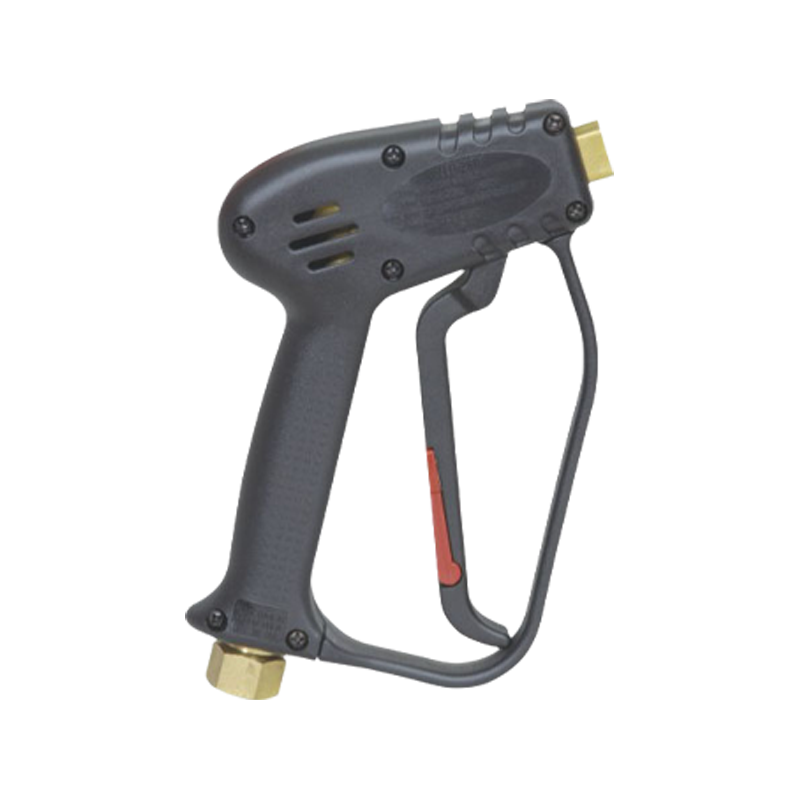
Soft grip industrial high pressure spray guns are specifically designed for high-pressure cleaning applications, utilizing water as the sole medium. These spray guns are engineered with a high-pressur...
See Details
The Weep Trigger Spray Gun is an innovative water gun designed specifically to prevent high-pressure water pipes from freezing in winter. Its core feature is the small hole design at the spray gun val...
See Details
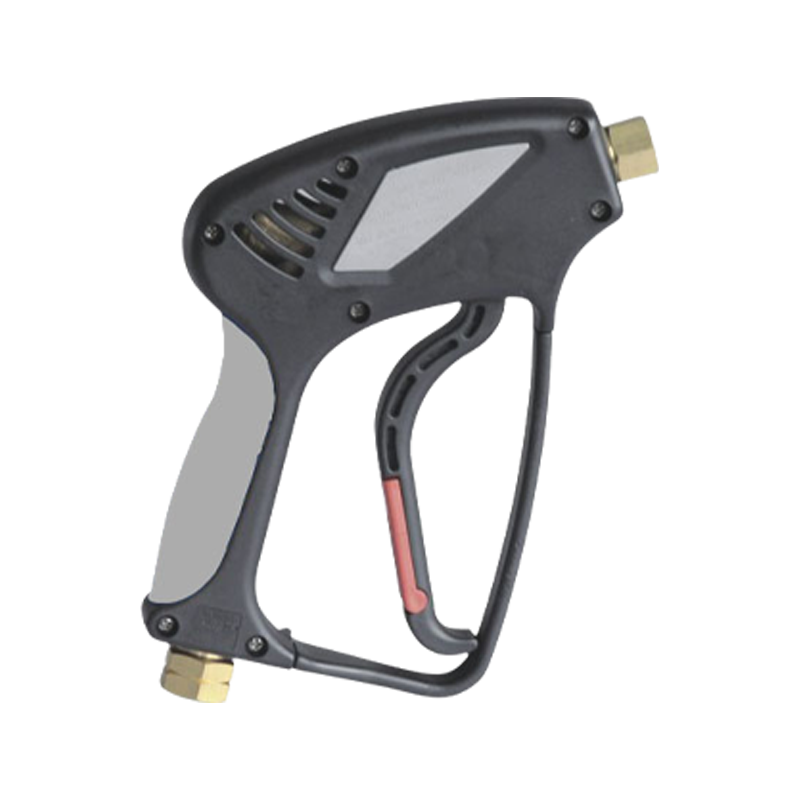
The high pressure power spray gun is an innovative cleaning equipment that integrates efficient cleaning and convenient operation. It uses high-pressure water flow to remove stubborn stains and is sui...
See Details
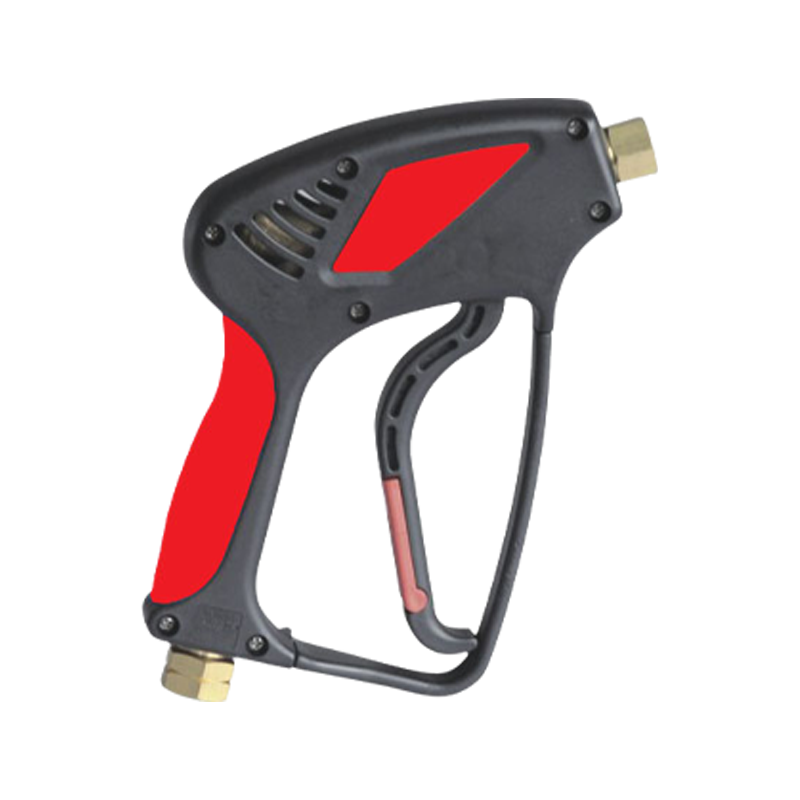
The high pressure cleaning spray gun is a standard configuration of a high pressure cleaning machine. The high-pressure water flow from the high-pressure cleaning machine passes through a high-pressur...
See Details
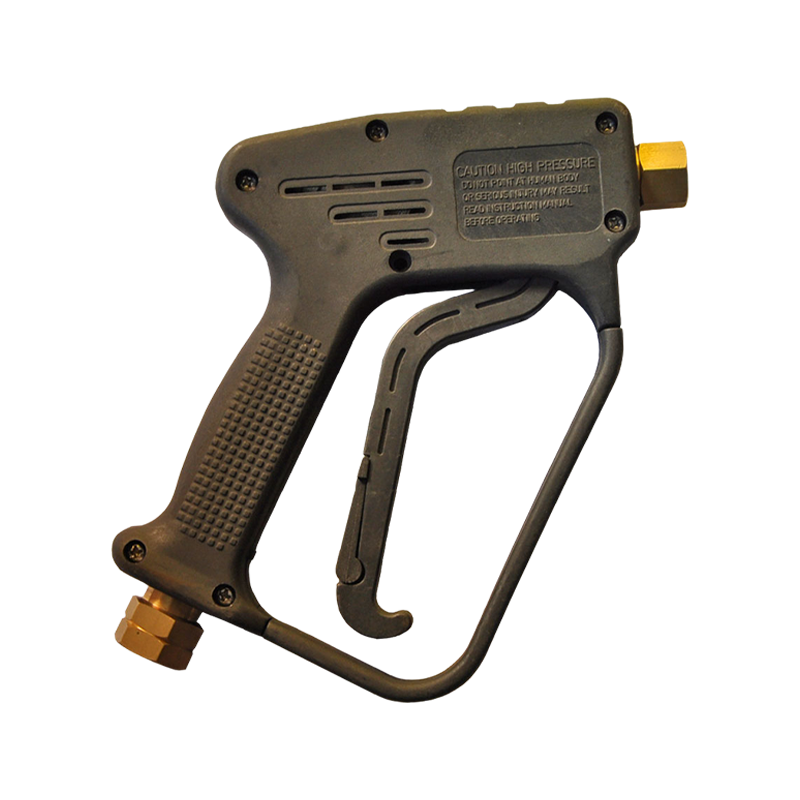
The carpet cleaning high pressure cleaning gun is a tool designed specifically for deep cleaning, using high-pressure water flow to efficiently remove dirt, dust, and stubborn stains from carpet fiber...
See Details
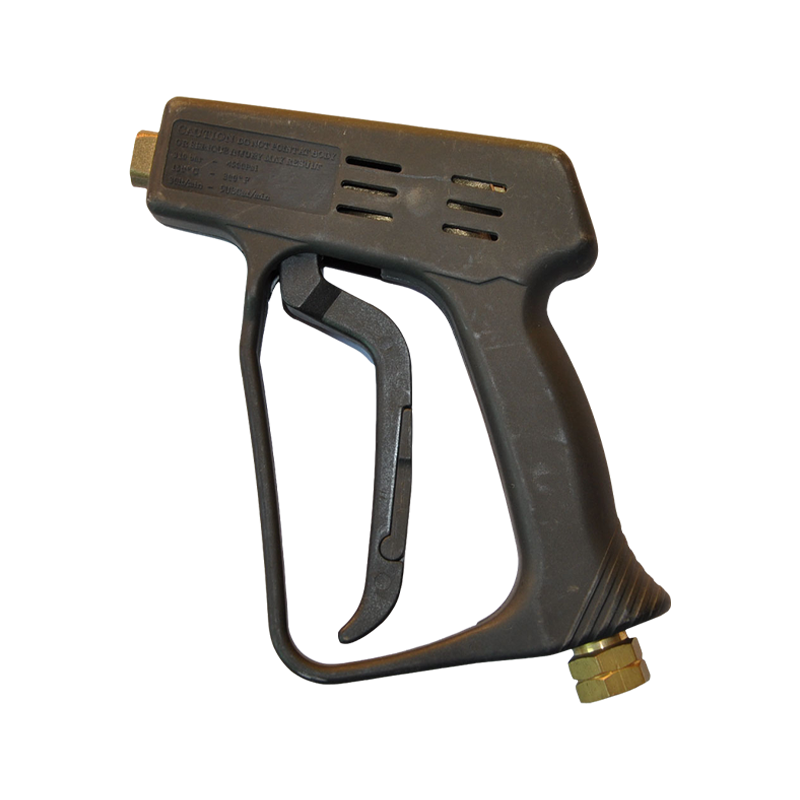
The 4500psi high pressure washing spray gun is a specialized tool designed for high-pressure liquid delivery and cleaning tasks, widely utilized in industrial cleaning, automotive maintenance, agricul...
See Details
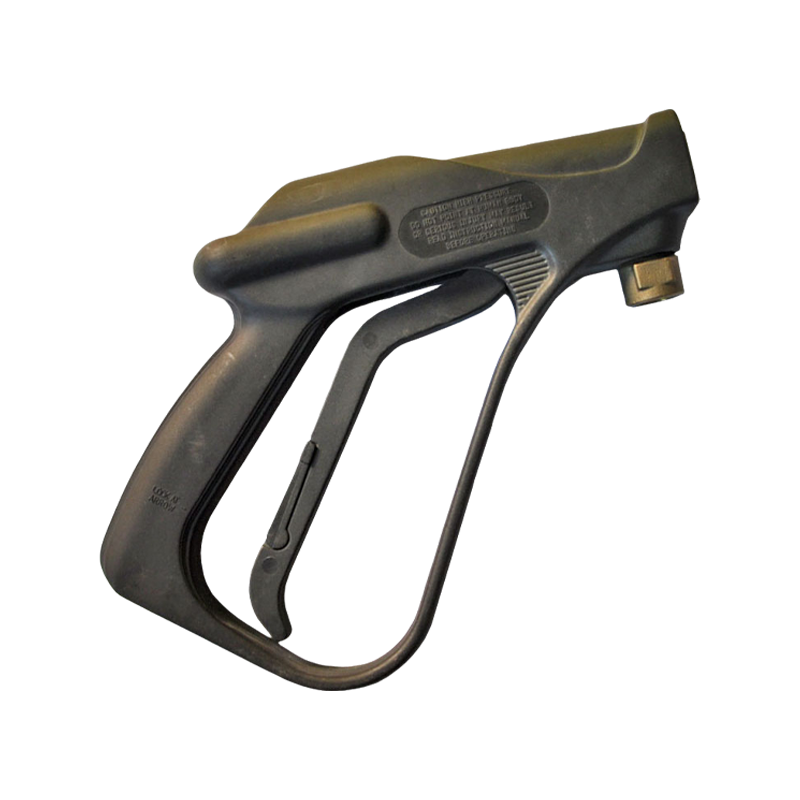
The brass outlet trigger spray gun is made of high-quality brass material and equipped with precise trigger design. Users can adjust the water flow rate and spray angle according to their needs to ach...
See Details
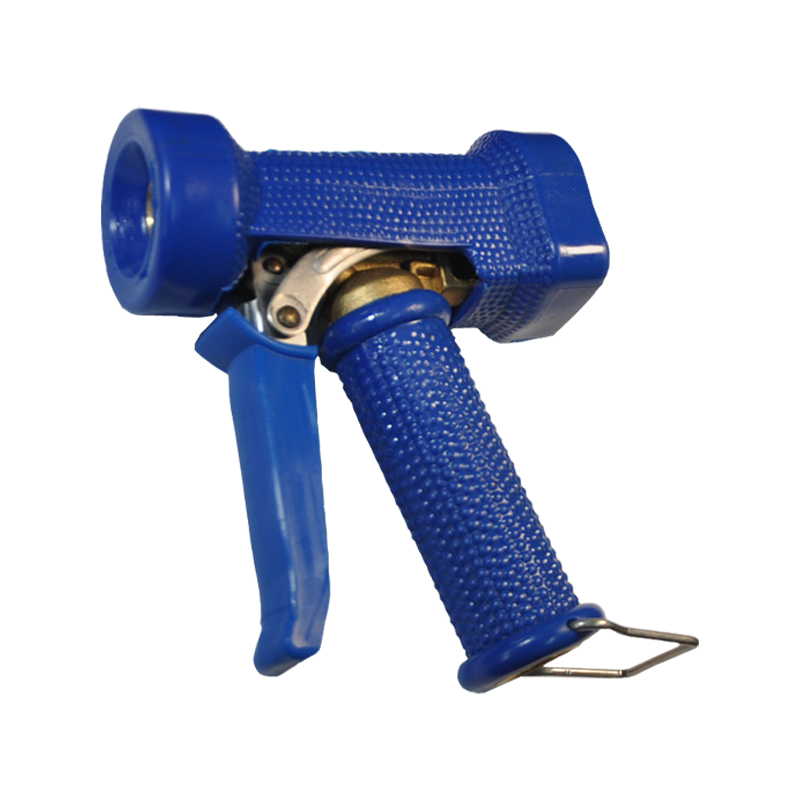
The heavy-duty brass flushing gun is specifically designed for low-pressure applications such as garden irrigation, dust suppression, and equipment cleaning. The ergonomic handle features an anti-slip...
See Details
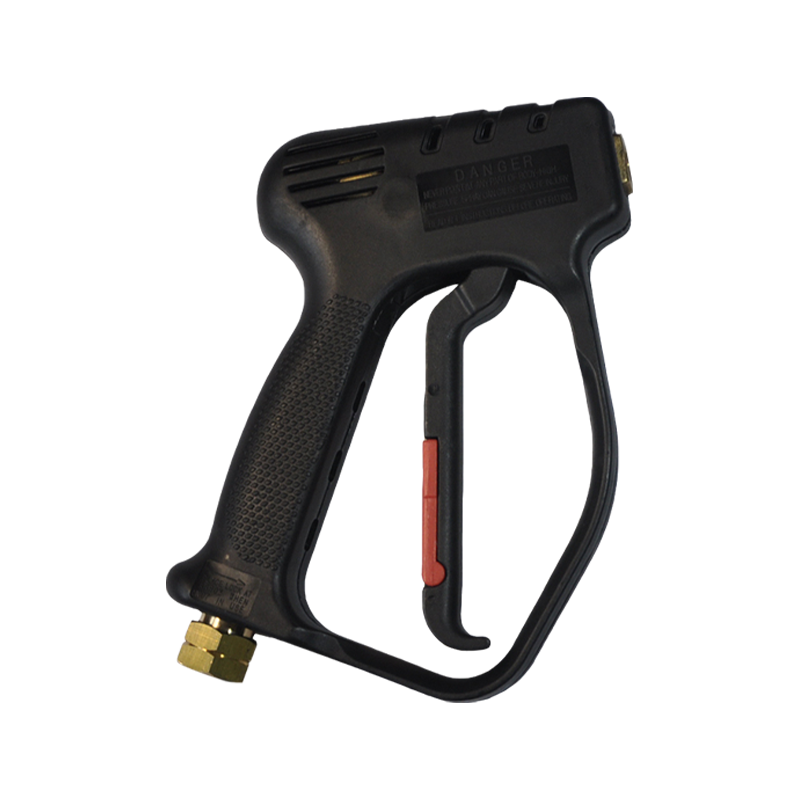
Industrial cleaning trigger spray gun is an efficient and durable cleaning equipment. Its internal sealing components are made of high-strength materials, effectively preventing leakage. Its design ca...
See Details
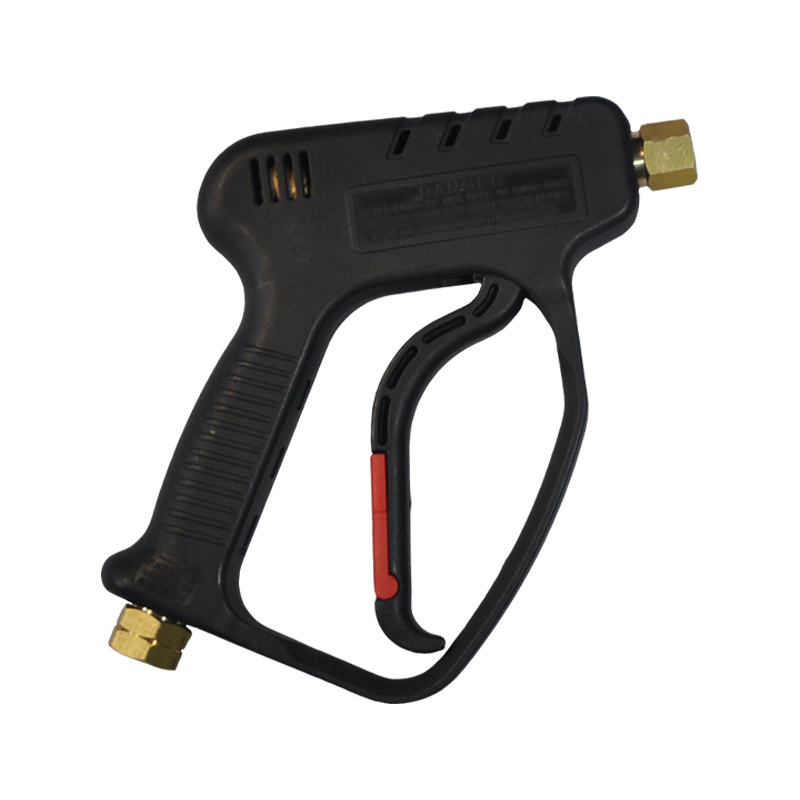
The portable handheld trigger spray gun is made of high-strength engineering plastics and/or metal materials, and the handheld part is coated with anti slip rubber to enhance the safety and comfort of...
See Details

The basic structure and working principle of the foam sprayer Foam sprayer is a device that mixes liquid diluent and air and sprays in the form of foam. It is widely used in car washing, industrial cl...
See Details

What is a high Pressure Washer Water Broom? A high Pressure Washer Water Broom is an accessory tool designed to improve floor cleaning efficiency and is usually used in conjunction with a high-pressur...
See Details

Introduction: Demands and Challenges of Modern Car Washing In modern society, cars have become an indispensable means of transportation in daily life, and almost every family has one or more cars. Wit...
See Details

1. Understand the basic structure and working principle of high-pressure cleaning spray guns The basic structure of a high-pressure cleaning gun A high-pressure cleaning gun consists of multiple parts...
See Details